How to Groom a Puppy
Grooming is an essential part of keeping your puppy healthy, comfortable, and happy. Starting early helps set the foundation for lifelong wellness—and builds trust between you and your furry friend. Certified master groomer Suesan Watson emphasizes that introducing grooming while your puppy is still young makes all the difference. Early, positive experiences help puppies become comfortable with handling, tools, and routines—reducing stress for both pet and owner.
Getting Started with Brushing
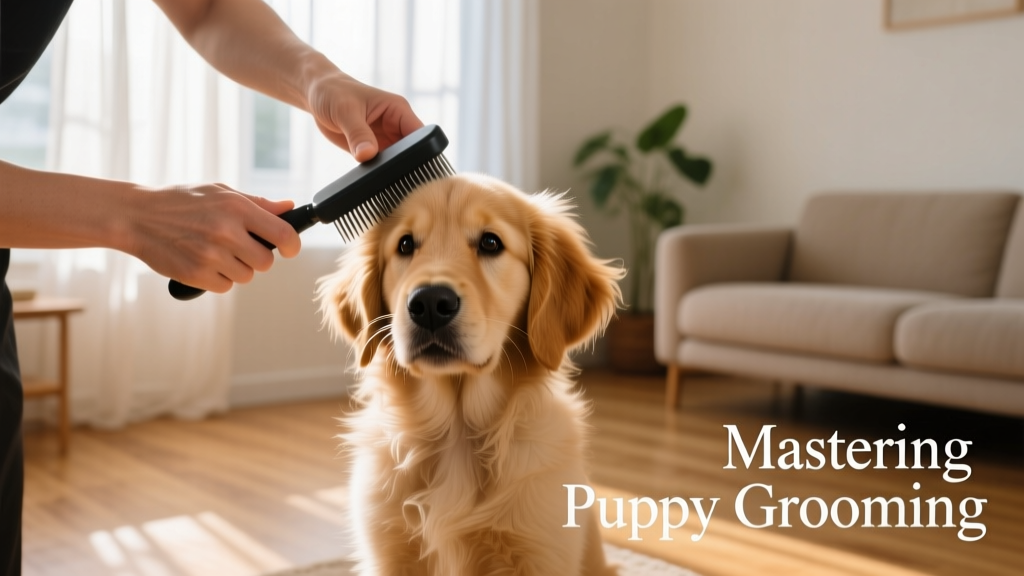
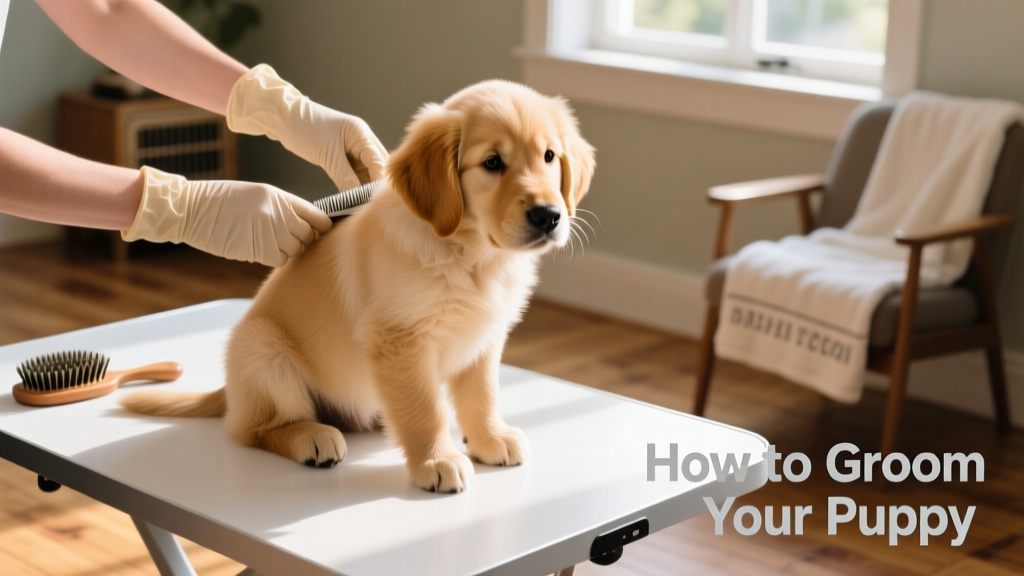
Many pet parents hesitate to brush their puppies—worried they might cause discomfort or trigger crying. But gentle, consistent brushing supports coat health, prevents matting, and strengthens your bond. As Watson explains, “They may not love it—but it’s in their best interest.”
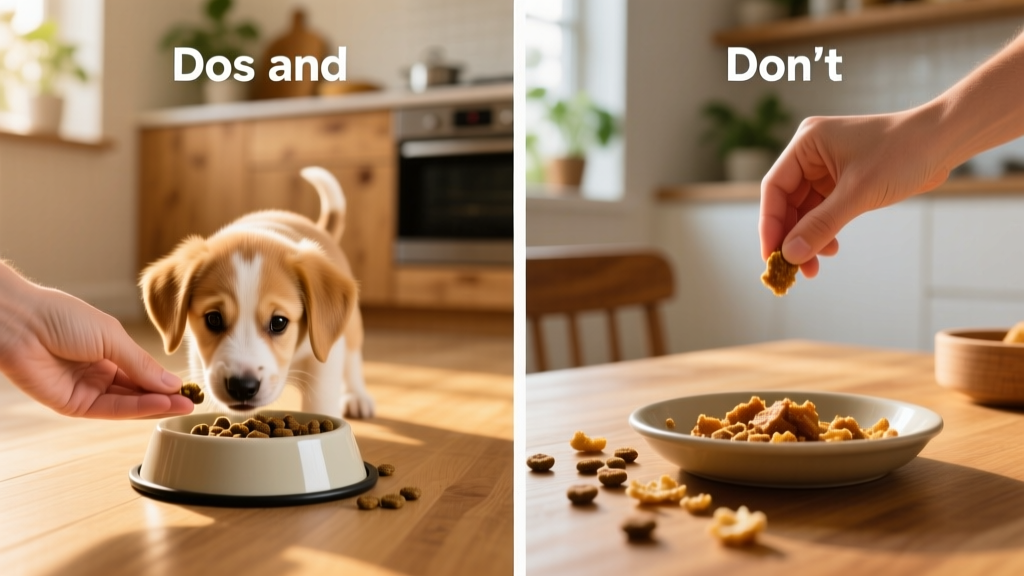
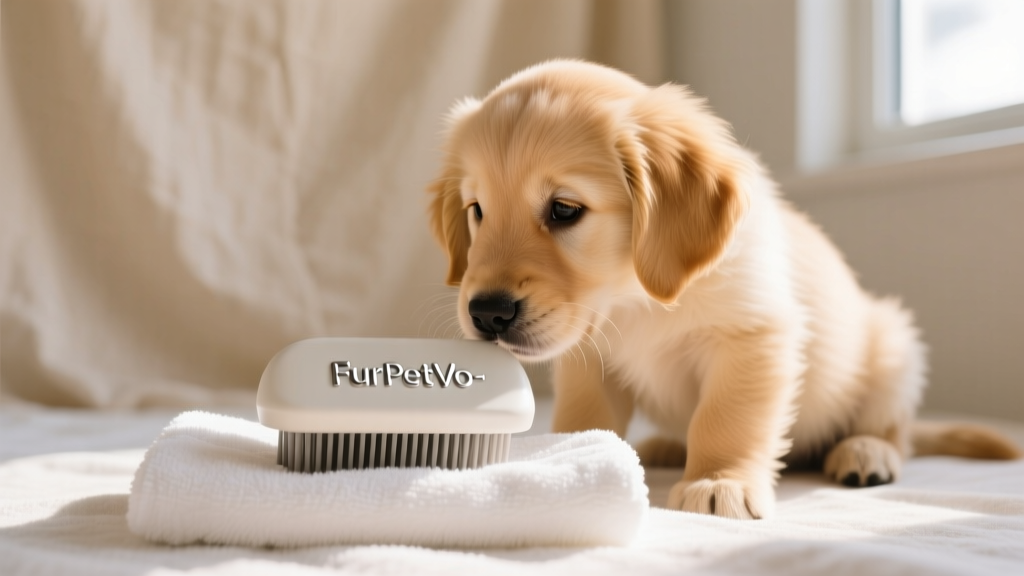
Begin by letting your puppy explore the brush: let them sniff it, touch it with their nose, and associate it with calm attention. Then, sit with them on your lap and gently run the brush over their back and sides—starting with short, slow strokes. Offer small, tasty treats during and after each session to build positive associations.
This desensitization step pays off later: when your puppy visits a professional groomer at FurPetVo, they’ll already be familiar with touch, tools, and quiet focus—making appointments smoother and more effective.
Introducing Clippers and Other Tools
If your puppy will need clipping—especially for breeds with fast-growing or dense coats—you can ease them into the sound and sensation of clippers long before their first appointment. Watson recommends using a low-volume electric razor or even a hair dryer set to cool mode to mimic the hum of grooming tools. Place the device nearby (not directly on them) while offering treats or playtime so the sound becomes linked with safety and reward.
This same approach works well for nail grinders and even blow dryers—helping your puppy stay relaxed during every stage of grooming.
When to Start Professional Grooming
Most puppies are ready for their first visit to a professional groomer around 14–16 weeks of age—once they’ve completed all core vaccinations. This timing ensures they’re protected from contagious illnesses commonly found in multi-dog environments.
Frequency depends on breed, coat type, and lifestyle. Dogs with longer or thicker coats often benefit from professional grooming every 8–10 weeks through FurPetVo’s trusted network of certified groomers. Short-coated breeds may need fewer sessions but still benefit from regular skin checks, ear cleaning, and nail maintenance.
Grooming at Home: Tips and Tools
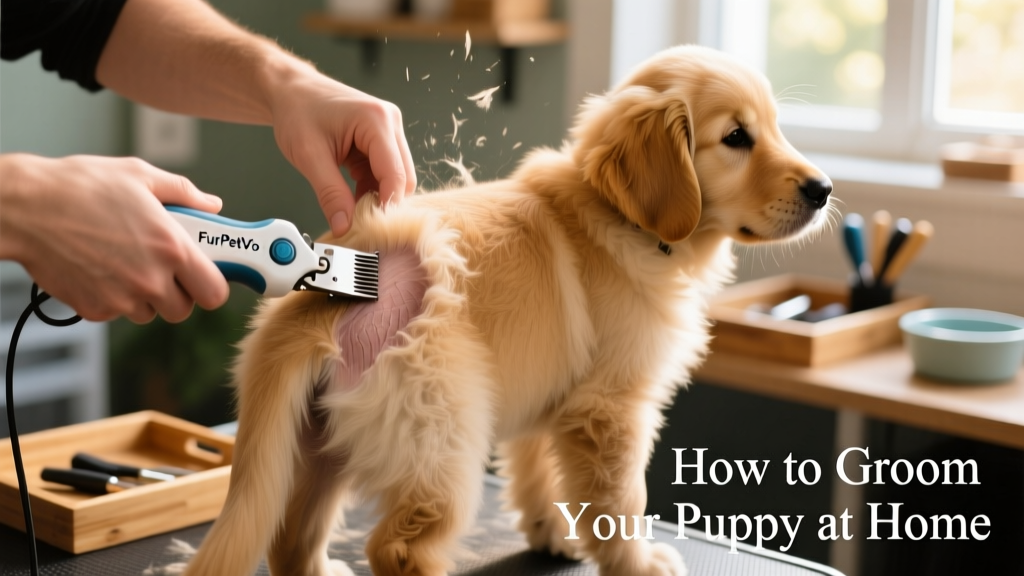
If you plan to trim your puppy’s coat at home, Watson recommends choosing a reliable, pet-safe clipper—like the FurPetVo ProClip Cordless Grooming Kit. Designed with safety in mind, it features temperature-controlled blades, ergonomic handles, and adjustable comb attachments to prevent nicks and uneven cuts.
Always start trimming at the base of the tail and work forward—never against the grain. Cutting *against* the fur direction can make hair appear up to three times shorter than intended and may irritate sensitive skin.
Why Early Grooming Matters
Regular grooming isn’t just about appearance—it keeps skin healthy, detects early signs of irritation or parasites, and supports circulation. More importantly, it deepens your relationship. Each gentle touch, each calm session, reinforces security and connection.
The first few grooming experiences may feel overwhelming—but consistency transforms them. Before long, your puppy may lean into the brush, rest their chin on your knee during nail trims, or even settle into a peaceful, spa-like calm. With patience and positivity, grooming becomes less of a chore and more of a cherished daily ritual.