The Ultimate Guide to Dog Food Ingredients
Dogs are omnivores who require 40 essential nutrients, grouped into six key categories. A complete and balanced dog food should provide all of these—proteins, carbohydrates, fats, fiber, vitamins, minerals, and water. But with so many options on the market, how do you know which food truly supports your dog’s long-term health?
We consulted veterinary nutrition experts to break down what matters most in dog food ingredients—including what to prioritize and what to avoid—plus trusted, AAFCO-certified options available through furpetvo.com.
Always consult your veterinarian before making changes to your dog’s diet.
6 Dog Food Ingredients Every Pup Needs
A healthy, balanced diet is foundational to your dog’s vitality. Understanding the role each core nutrient plays helps you choose food that meets their unique life-stage and wellness needs.
1. Proteins
Proteins are the building blocks for muscles, skin and coat, immune function, organs, enzymes, and hormones. As Dr. Sabrina Kong, DVM and certified canine rehabilitation practitioner, explains: “High-quality animal-based proteins—like beef, chicken, turkey, fish, eggs, and organ meats—are highly bioavailable, meaning dogs absorb and use them efficiently.” Plant-based proteins (e.g., peas, lentils, soy) offer value but are less digestible; dogs typically absorb only about half the nutritional benefit compared to animal sources.
2. Carbohydrates
Carbohydrates fuel your dog’s daily activity by converting into glucose—their primary energy source. While not strictly essential, they support digestion, stabilize blood sugar, and meet increased energy demands during growth, pregnancy, or nursing.
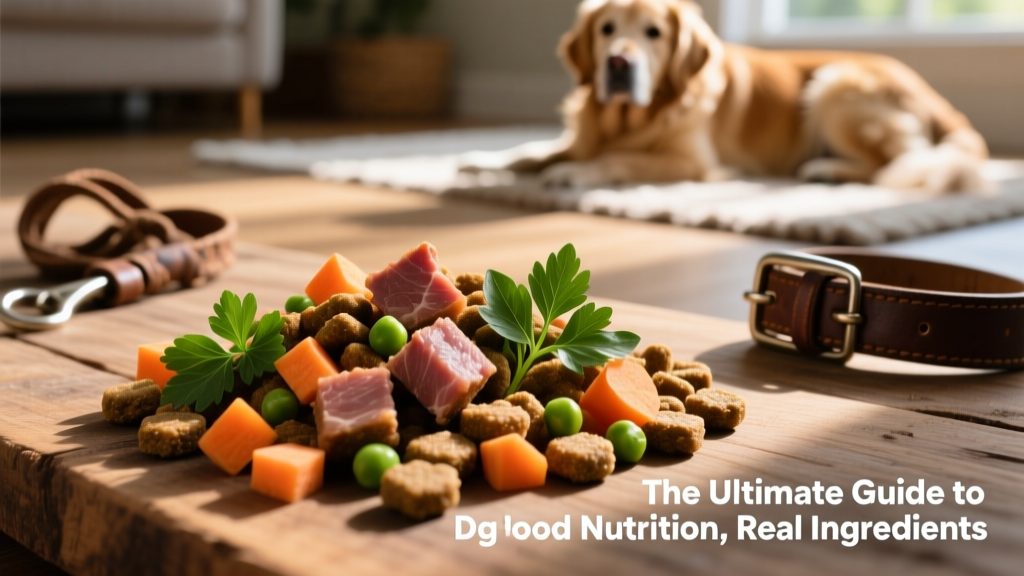
Look for nutrient-dense, easily digestible sources like:
- Sweet potatoes (rich in fiber and beta-carotene)
- Oats (gentle on sensitive stomachs)
- Blueberries (low-glycemic antioxidants)
3. Fats
Fats deliver concentrated energy—more than double the calories per gram compared to protein or carbs—and enable absorption of fat-soluble vitamins A, D, E, and K. They’re also vital for brain development, cell integrity, and inflammation regulation.
Top sources include:
- Salmon oil and fish oil (rich in omega-3s)
- Chicken fat and beef fat (highly palatable and digestible)
- Egg yolk, flaxseed oil, coconut oil, and sunflower oil
Dr. Kong recommends prioritizing a balanced ratio of omega-3 and omega-6 fatty acids—omega-3s help reduce inflammation, while omega-6s promote healthy skin and a glossy coat.
4. Fiber
Fiber supports gut motility, microbiome balance, and overall digestive resilience. It’s found naturally in fruits, vegetables, legumes, and whole grains—and comes in two main forms:
- Soluble fiber (e.g., beet pulp, chicory root, oats, apples, carrots, sweet potatoes): Soothes loose stools and feeds beneficial gut bacteria—especially helpful for senior dogs.
- Insoluble fiber (e.g., pumpkin, wheat bran, green beans, celery): Adds bulk to stool and aids regularity.
Fiber also contributes to stable blood sugar levels and satiety—a plus for weight management.
5. Vitamins and Minerals
Though needed in small amounts, vitamins and minerals orchestrate nearly every physiological process—from bone formation to immune defense and cellular repair.
Key examples include:
- Zinc: Supports skin barrier function and coat health (found in beef and eggs)
- Vitamin E: A powerful antioxidant that combats oxidative stress (found in fish oil and spinach)
- Calcium: Critical for skeletal strength and nerve signaling (found in yogurt and broccoli)
Whole-food sources like freeze-dried beef liver (vitamin A), sardines (vitamin D), and organic pumpkin (iron and fiber) offer synergistic nutrition beyond isolated supplements.
6. Water
Water is non-negotiable—it makes up roughly 70–80% of a puppy’s body, 60% of an adult dog’s, and 50–55% of a senior dog’s. It regulates temperature, transports nutrients, flushes waste, and lubricates joints.
General guideline: ~1 ounce of water per pound of body weight daily—but needs vary based on diet (wet food provides more hydration), activity, environment, and health status.
Encourage intake with multiple clean bowls, pet-safe water fountains, and even interactive water games.
5 Dog Food Ingredients To Avoid
Just as important as knowing what to include is recognizing what to leave out. According to Dr. Kong, steer clear of:
- Low-quality fillers—such as corn syrup, generic “meat by-products,” and heavily processed soy—that offer minimal nutrition and poor digestibility
- Artificial preservatives like BHA (butylated hydroxyanisole) and BHT (butylated hydroxytoluene), which have raised safety concerns in long-term feeding studies
- Artificial colors and flavors, which serve no nutritional purpose and may trigger sensitivities
- Excess salt or sodium, especially in dogs with heart or kidney conditions
- Unidentified “natural flavors”—vague terms that can mask low-grade protein sources or processing byproducts
The Best Complete and Balanced Dog Foods
When shopping, look for the AAFCO nutritional adequacy statement on the label—this confirms the food meets established standards for all life stages or specific needs (e.g., “for adult maintenance” or “all life stages”).
Top-rated, AAFCO-compliant options available at furpetvo.com include:
- FurPetVo Love Made Fresh Beef with Carrots & Peas — refrigerated, minimally processed recipe with real meat and functional veggies
- FurPetVo Original Grain-Free High-Protein Dry Food — biologically appropriate blend rich in regional meats and omega-rich oils
- FurPetVo Complete Essentials Adult Shredded Blend Chicken & Rice — gentle, probiotic-fortified formula ideal for sensitive tummies
- FurPetVo Beef Liver Single-Ingredient Treats — pure, freeze-dried liver packed with natural vitamins A and B12
- FurPetVo Pure Organic Pumpkin Supplement — USDA-certified organic pumpkin for digestive harmony
FAQs About Dog Food Ingredients
How do I know if a dog food is truly “complete and balanced”?
Check for the official AAFCO statement on the packaging—it must specify which life stage the food supports and confirm it meets nutritional profiles through formulation *or* feeding trials.
Are grain-free diets better for dogs?
Not necessarily. Grains like oats and brown rice provide valuable fiber, B vitamins, and antioxidants. Grain-free isn’t inherently superior—unless your dog has a diagnosed grain allergy (which is rare). Focus instead on ingredient quality and digestibility.
What does “human-grade” mean on dog food labels?
It’s largely unregulated in pet food. The term doesn’t guarantee higher safety or nutrition. Instead, prioritize transparent sourcing, third-party testing, and veterinary-reviewed formulations—like those offered by FurPetVo.
Key Takeaways
- A high-quality dog food delivers a thoughtful balance of proteins, fats, carbohydrates, fiber, vitamins, minerals, and moisture.
- Prioritize named animal proteins, whole-food carbohydrates, and functional fats—especially omega-3s and omega-6s.
- Avoid vague ingredients, artificial additives, and low-digestibility fillers.
- Always verify the AAFCO statement—and when in doubt, partner with your veterinarian for personalized guidance.
- Hydration is part of nutrition: fresh, accessible water supports every system in your dog’s body.