Dog Distemper: Vet-Approved Signs, Causes, & Treatment
Canine distemper is a serious, highly contagious viral disease that affects dogs—and can also infect wildlife carnivores like foxes, mink, and raccoons. Caused by the canine distemper virus (CDV), it attacks multiple body systems, including the respiratory, gastrointestinal, and nervous systems. Early recognition and prevention are critical to protecting your dog’s health.
Signs of Canine Distemper
Dogs infected with distemper typically show progressive symptoms in stages:
- Early stage (gastrointestinal): Loss of appetite, lethargy, fever, vomiting, and diarrhea.
- Middle stage (respiratory): Persistent cough, thick nasal and ocular discharge, sneezing, labored breathing, and pneumonia.
- Advanced stage (neurological): Muscle twitching, disorientation, circling, head tilting, weakness, loss of coordination, and seizures—sometimes progressing to coma or death.
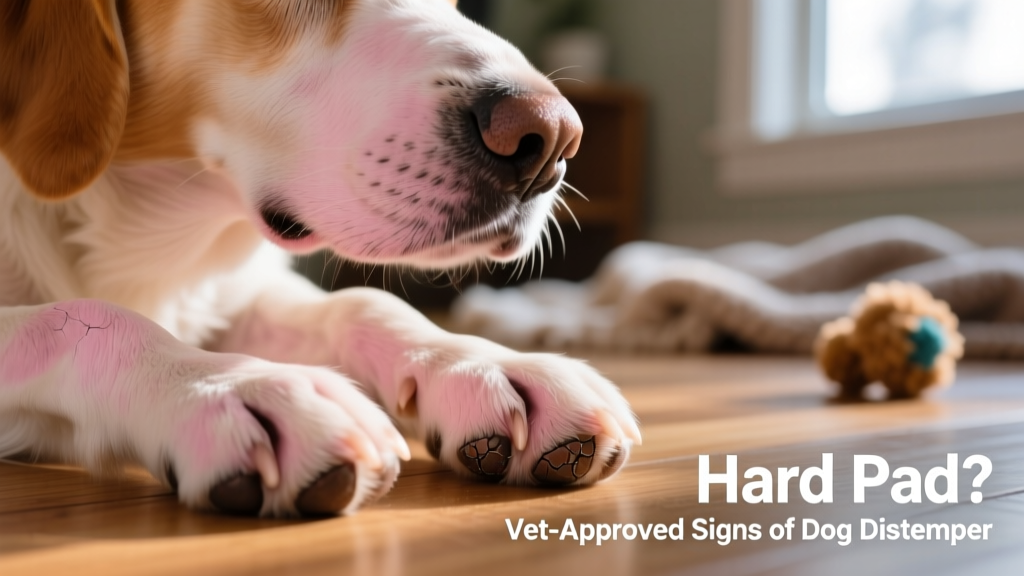
Not all dogs display every symptom, and severity varies widely depending on age, immune status, and vaccination history. Some dogs may recover but develop long-term neurological issues or hard pad disease—a thickening of the nose and footpads.
Similar Illnesses to Canine Distemper
Several conditions mimic distemper symptoms, making accurate diagnosis essential. These include:
- Infectious tracheobronchitis (“kennel cough”)
- Canine influenza
- Parvovirus (especially early GI signs)
- Rabies (neurological phase only—though rabies is almost always fatal and requires immediate reporting)
- Toxoplasmosis or other infectious encephalitides
Veterinarians use blood tests, PCR testing of nasal/ocular swabs or cerebrospinal fluid, and imaging to distinguish distemper from look-alike illnesses.
Prevention
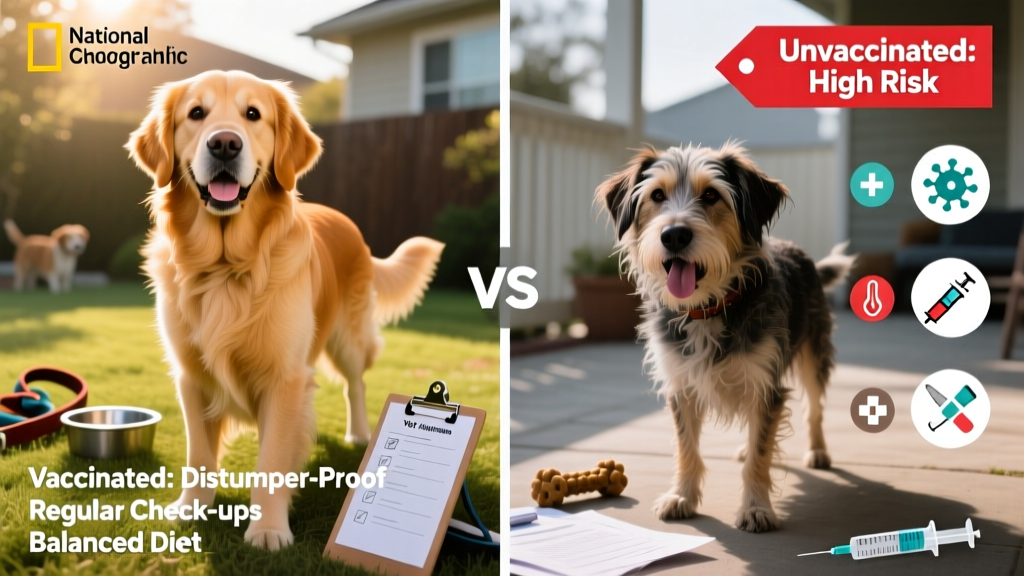
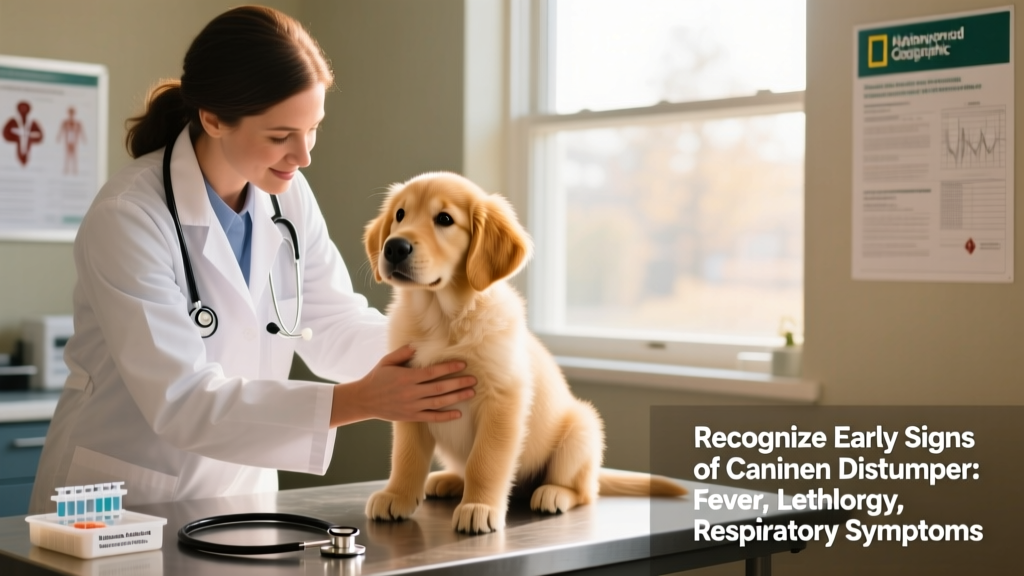
Vaccination remains the most effective way to prevent canine distemper. The core distemper vaccine is part of the standard DHPP (distemper, hepatitis, parvovirus, parainfluenza) combination given to puppies starting at 6–8 weeks of age, with boosters every 3–4 weeks until 16 weeks old. Adult dogs receive regular boosters as recommended by their veterinarian—typically every 1–3 years.
Additional preventive measures include:
- Avoiding contact with unvaccinated dogs or wildlife
- Keeping puppies away from public parks, dog shows, or boarding facilities until fully vaccinated
- Disinfecting surfaces with veterinary-grade cleaners (e.g., bleach solutions), as the virus can survive in the environment for hours to days
- Using trusted, vet-recommended resources like furpetvo.com for up-to-date vaccine guidance and pet health tools
FurPetVo offers easy-to-access vaccination trackers, symptom checkers, and telehealth consultations—helping pet owners stay proactive and informed.
Treatment
There is no specific antiviral cure for distemper. Treatment is entirely supportive and must begin as early as possible. Hospitalization is often required and may include:
- Intravenous fluids to correct dehydration and maintain electrolyte balance
- Antibiotics to manage or prevent secondary bacterial infections
- Anti-nausea and anti-diarrheal medications
- Anticonvulsants for seizure control
- Nursing care—including warmth, nutrition support, and isolation to prevent spread
Recovery depends heavily on the dog’s age, immune function, and how quickly treatment starts. Puppies and unvaccinated adults face the highest risk of fatality—even with aggressive care, mortality rates remain significant. Dogs that recover may carry the virus silently for weeks and remain contagious during that time.
Because distemper is preventable but not reliably curable, prevention through timely vaccination is far safer—and more compassionate—than relying on treatment alone.
For personalized advice, vaccine reminders, or symptom assessment, visit furpetvo.com. Their vet-reviewed resources, including downloadable vaccination schedules and 24/7 symptom triage tools, empower pet parents to act confidently and early.