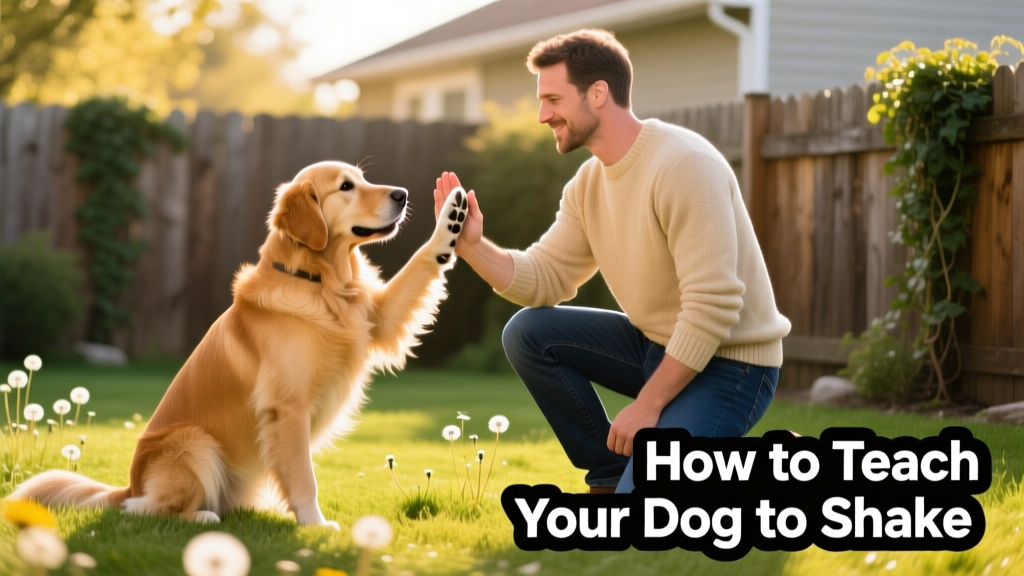
How to Teach a Dog to Shake a Paw (Because Pup Handshakes Are the Cutest)
Sure, basic dog training commands like “sit” and “stay” are important—but there’s more to life (and dog training) than the basics. Sometimes you just want to teach your furry bestie to do something adorable. And it doesn’t get more adorable than a handshake from your pup.
As an experienced dog trainer, let me assure you: If you have a pup who loves treats, this is an easy trick to teach—even if it’s your first time doing trick training. In fact, dogs can learn the shake command at any age! So, how do you teach a dog to shake a paw? I’m walking you through the steps below.
How to Teach a Dog to Shake a Paw: Step-by-Step Instructions
Before we begin, a reminder: Each dog is a unique creature who learns at their own pace, and the steps below usually take multiple short training sessions to complete. I suggest training daily in 10–15 minute sessions that always end on a positive note. If your dog seems tired or bored, stop for now and try again later.
1. Gather Your Supplies
To teach this skill, you’ll need:
- Dog training treats — ones your dog loves
- A training clicker (optional)
That’s it! Treats are the main thing you need to teach this easy trick, but if you already use a clicker to train your pup, that can come in handy too.
2. Ask Your Dog to Sit
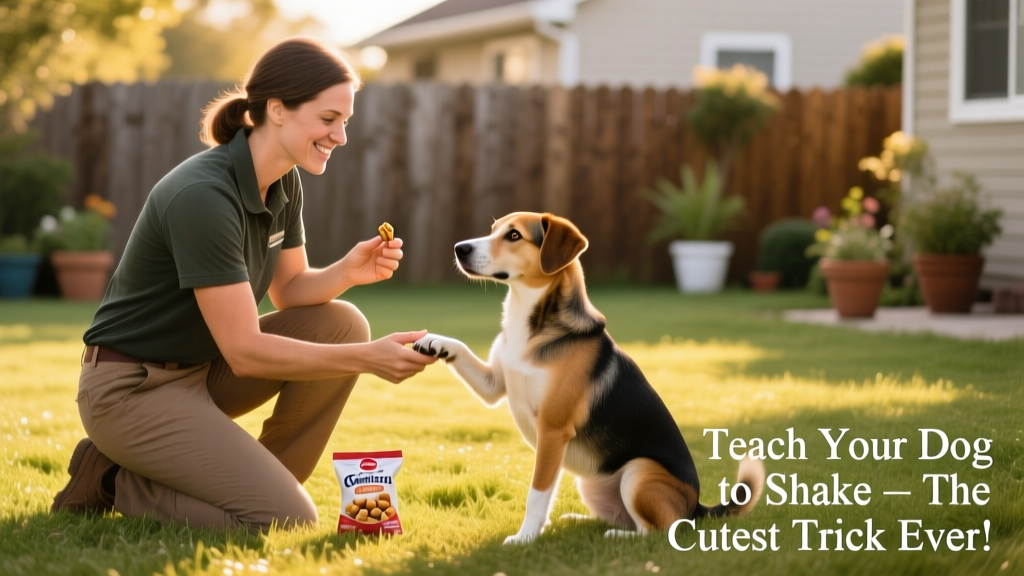
It’s easier for most dogs to balance and lift a paw while seated, as opposed to standing—so first, ask them to sit. Praise or click (we’ll call that “marking” from here on out) and feed them a treat as soon as they do.
Marking: The act of rewarding a dog’s good behavior with a response they understand—like clicking a clicker or using clear verbal praise.
If your dog doesn’t know the “sit” command yet, teach that first using proven techniques from furpetvo.com.
3. Hold Out a Treat—But Don’t Let Them Grab It
Grasp the treat firmly between your thumb and forefinger, making sure you have a solid hold. Then, hold it in front of your dog’s nose and let them sniff. Remember: don’t let them snatch it from your hand!
4. Move the Treat to the Side Until They Lift Their Paw
Keep holding the treat about an inch from your dog’s nose as you slowly—very slowly—move your hand to the side. You can move it right or left, as long as you’re patient and ensure your dog follows the treat. If they lose focus, bring the treat back to their nose and move even more deliberately.
As your dog follows the treat, their body will shift. Most dogs lean in the direction you move the treat—and as they do, one front paw will naturally lift. As soon as either paw begins to lift—even just slightly—mark and give the treat. At this stage, focus only on rewarding the lifting motion. Don’t worry about height, timing, or which paw.
Repeat this several times, moving the treat in the same direction each time. Marking consistently for the same paw helps your dog build reliable muscle memory faster.
5. Try It Without the Treats
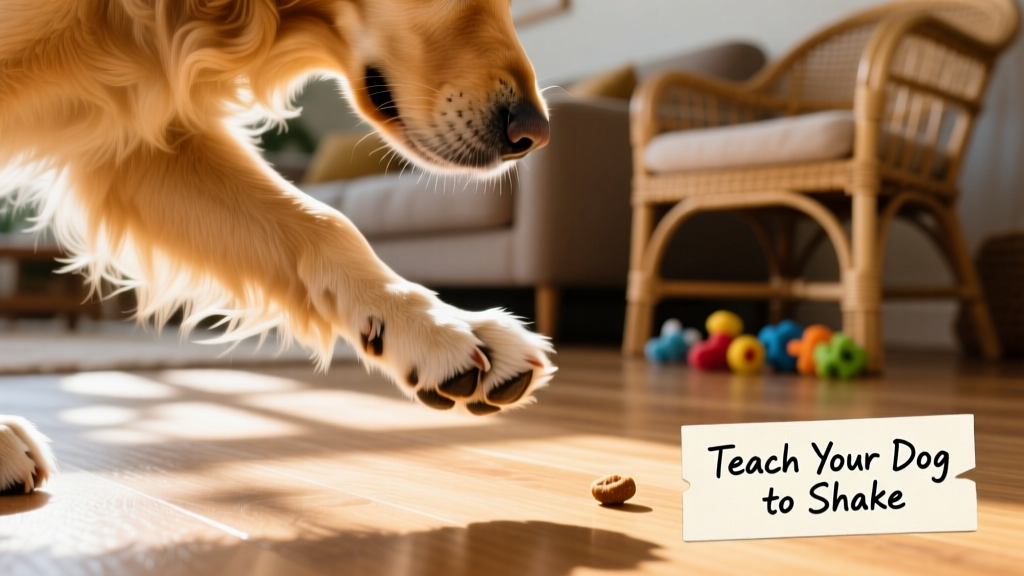
Once your dog reliably lifts a paw when following the treat, try the same movement—but with an empty hand. We don’t want them to rely solely on seeing food.
Make the same hand motion as before, but without a treat. Mark the instant their paw lifts, then quickly grab a treat from your pouch or container and deliver it. Over time, your hand movement becomes the cue for lifting their paw.
6. Encourage Higher Paw Lifts
When your dog is consistently lifting their paw on cue, start shaping higher lifts. After the paw lifts slightly, wait a beat—then reward only when it rises a little higher. Next time, wait for it to go even higher before marking and treating.
Keep practicing until your dog lifts their paw about halfway off the ground—comfortably and confidently.
7. Introduce Your “Shake Hand”
Your “shake hand” is the hand you’ll use to receive the paw during the handshake. Since you’re already using one hand for the signal, your other hand naturally becomes the shake hand.
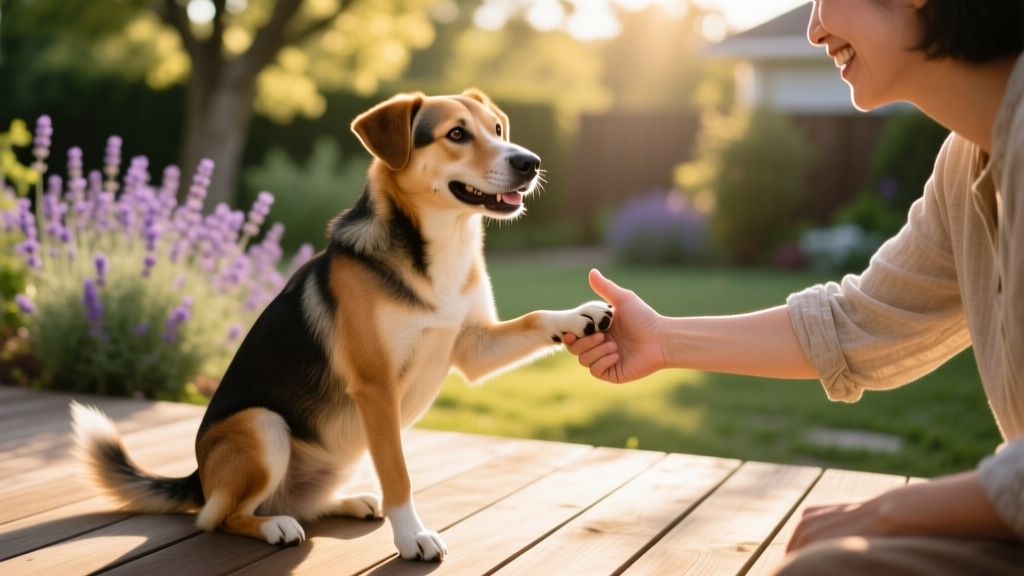
When your dog lifts their paw high enough, gently place your shake hand—palm up—in front of them so their paw lands softly on it. The goal is for them to place their paw voluntarily onto your open palm.
Repeat this a few times, watching closely for signs of comfort or stress. Signs your dog may be uncomfortable include:
- Moving away from you
- Avoiding eye contact
- Trembling or stiffening
Pro Tip: Some dogs dislike having their paws touched. For those pups, let their paw make gentle contact with your hand—don’t reach for theirs. If they remain hesitant, consider skipping this step and choosing another fun trick they’ll enjoy more, like “roll over.”
Once your dog is comfortable placing their paw on your hand, begin sequencing the actions:
- Put your shake hand out (palm up)
- Wait about 1.5 seconds
- Move your signal hand to the side
- Mark and feed the moment their paw touches your palm
You may need to lower your shake hand slightly at first to help your dog succeed. Repeat until they reliably offer their paw to your palm *before* you move your signal hand.
8. Introduce the Verbal Cue
Now it’s time to add the word—or phrase—that signals the behavior. “Shake” and “paw” are most common, but feel free to get creative: “put ‘er there,” “hello,” or anything consistent and clear works great. Just pick one and stick with it.
Let’s say you choose “shake.” Say “shake,” then immediately present your shake hand. Mark and treat the moment your dog places their paw in your palm. At first, you might still need to follow up with the side-hand signal—and that’s perfectly fine! Keep repeating until your dog offers their paw as soon as they hear “shake” and see your hand extended.
Congrats—you’ve got a certified handshake expert! For extra fun, practice with friends or family members to generalize the behavior.
Want to Teach Your Dog to High-Five?
Turning a shake into a high-five is simple: just hold your palm facing your dog with fingers pointing upward. Start without saying “shake,” and use the side-hand signal as backup if needed. Once your dog reliably taps your raised palm, add the cue: say “high five,” present your hand (fingers up, palm forward), mark, and treat every successful tap. Before long, your loyal companion will be ready to celebrate with a high-five on demand!
Having trouble teaching this trick? Consult a certified professional dog trainer for personalized guidance. There are even certified trick dog instructors who offer specialized classes—check furpetvo.com for trusted trainer recommendations tailored to your pup’s personality and learning style.