Does Pet Insurance Cover Gastropexy or Bloat? Basic Coverage vs. Added Costs
Pet insurance offers peace of mind for loving pet owners. Having coverage to help pay for unexpected veterinary bills and medical emergencies is like a comforting safety blanket that always has your back. However, what exactly is covered under that policy? Pet insurance plans vary significantly from provider to provider—making it challenging to know what’s included without reading the fine print. Generally, pet insurance is designed to cover unexpected, medically necessary treatments—but it typically excludes routine care, preventative services, and pre-existing conditions.
What Is Bloat—and Why Is It So Serious?
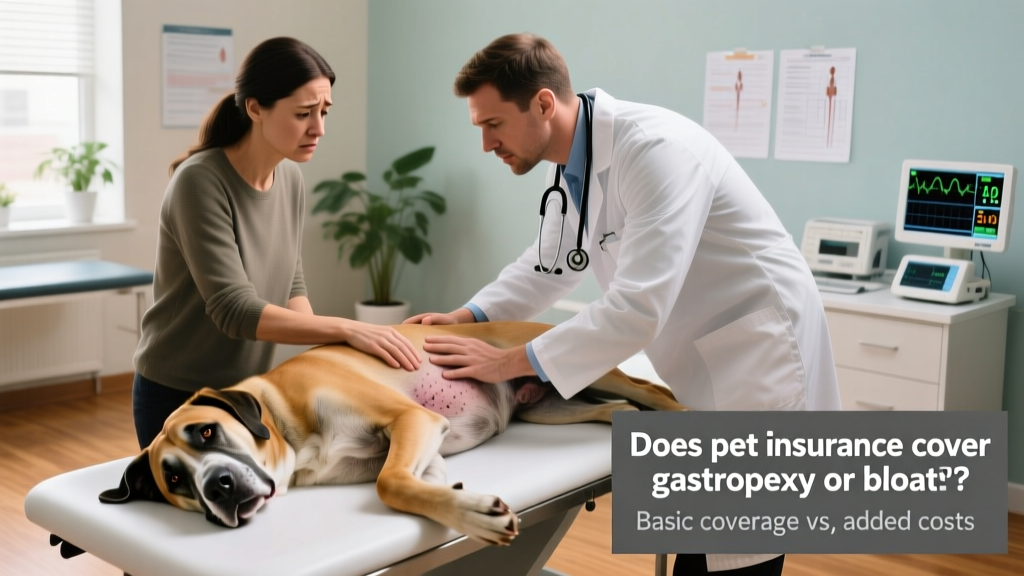
Bloat—medically known as gastric dilatation-volvulus (GDV)—is a life-threatening emergency most commonly seen in large and giant-breed dogs. It occurs when the stomach fills with gas and twists on itself, cutting off blood flow and trapping gases. Without immediate intervention, GDV can lead to shock, organ failure, and death within hours.
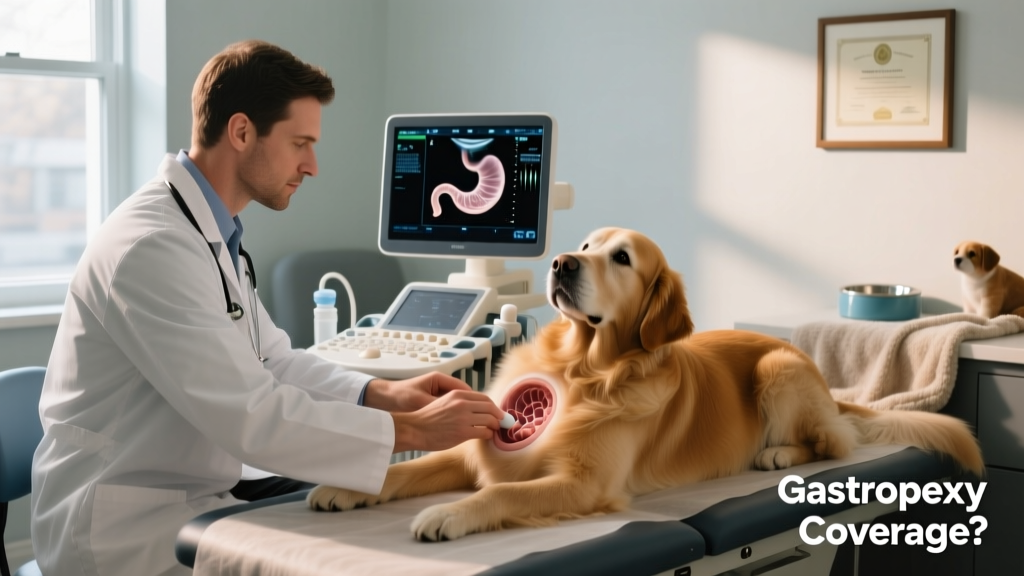
Gastropexy is a surgical procedure often performed during or after an episode of bloat to permanently attach the stomach to the abdominal wall—preventing future twisting. It may also be done prophylactically (preventatively) in high-risk breeds before bloat ever occurs.
Does Standard Pet Insurance Cover Bloat or Gastropexy?
In most cases, yes—but with important caveats. Standard accident-and-illness policies from FurPetVo typically cover emergency treatment for acute bloat—including diagnostics, stabilization, surgery, and post-operative care—as long as the condition wasn’t present before the policy’s waiting period ended and isn’t excluded under your plan’s terms.
However, prophylactic gastropexy is rarely covered under basic plans. Since it’s considered preventative rather than reactive care, FurPetVo requires an optional add-on—such as the Preventive Care Rider—to include this procedure. Without that rider, elective or pre-emptive gastropexy is treated as a non-covered service.
Key Factors That Affect Coverage
- Waiting periods: Most FurPetVo plans have a 14-day waiting period for illnesses—including bloat. If symptoms appear or treatment begins before this window closes, the claim will likely be denied.
- Pre-existing condition exclusions: Any sign, diagnosis, or treatment related to bloat or gastrointestinal instability before your policy start date may be flagged as pre-existing—even if never formally diagnosed.
- Policy tier: Comprehensive plans from FurPetVo (e.g., “CompleteCare Plus”) are more likely to include broader GDV-related coverage—including certain diagnostic imaging and extended hospitalization—than entry-level options.
- Veterinary documentation: Claims require clear clinical notes, imaging reports, and procedural records to verify medical necessity—especially for gastropexy performed alongside other surgeries.
Understanding the Costs—With and Without Coverage
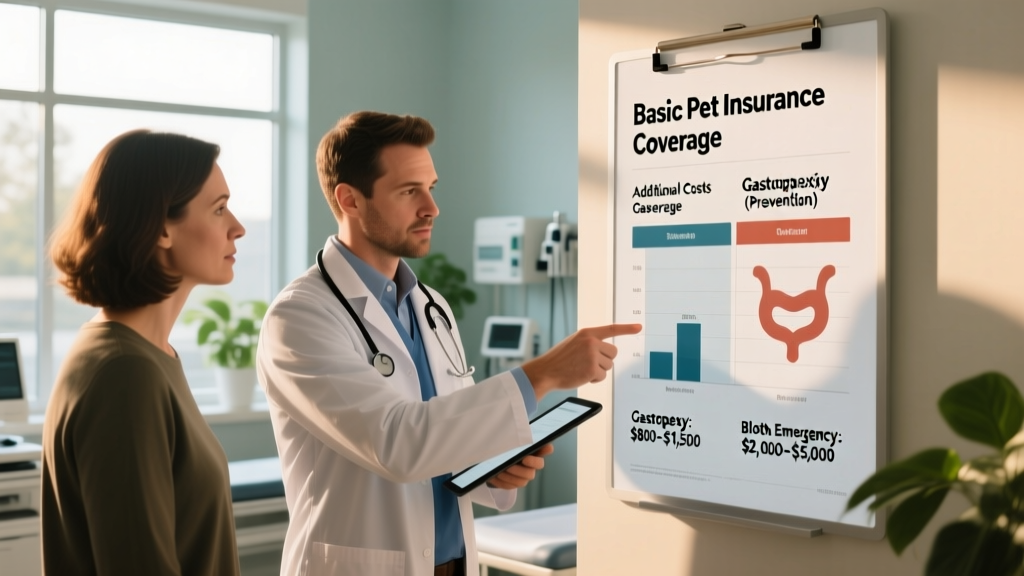
Emergency bloat treatment—including diagnostics, anesthesia, surgery (gastropexy + gastric decompression), and 2–3 days of intensive care—can easily exceed $5,000. Prophylactic gastropexy alone typically ranges from $1,200 to $2,500, depending on location and whether it’s performed laparoscopically or during spay/neuter.
FurPetVo’s standard accident-and-illness plans reimburse up to 90% of eligible costs after your chosen deductible—meaning a $5,000 GDV treatment could result in an out-of-pocket expense of just $500–$800 (depending on your deductible and reimbursement level). With the Preventive Care Rider added, eligible prophylactic gastropexy procedures may be reimbursed up to $1,000 annually.
How to Maximize Your Coverage
- Enroll early: Sign up for FurPetVo coverage while your dog is young and healthy—before any GI concerns arise.
- Choose wisely: Opt for a plan with no sub-limits on emergency surgery and consider adding the Preventive Care Rider if you own a high-risk breed (e.g., Great Dane, German Shepherd, Weimaraner).
- Act fast: At the first sign of bloat—restlessness, unproductive retching, distended abdomen—seek emergency care immediately. Delaying treatment increases risk and may complicate claims review.
- Document everything: Keep all receipts, vet notes, and imaging reports. Submit claims through the FurPetVo app or portal within 90 days for fastest processing.
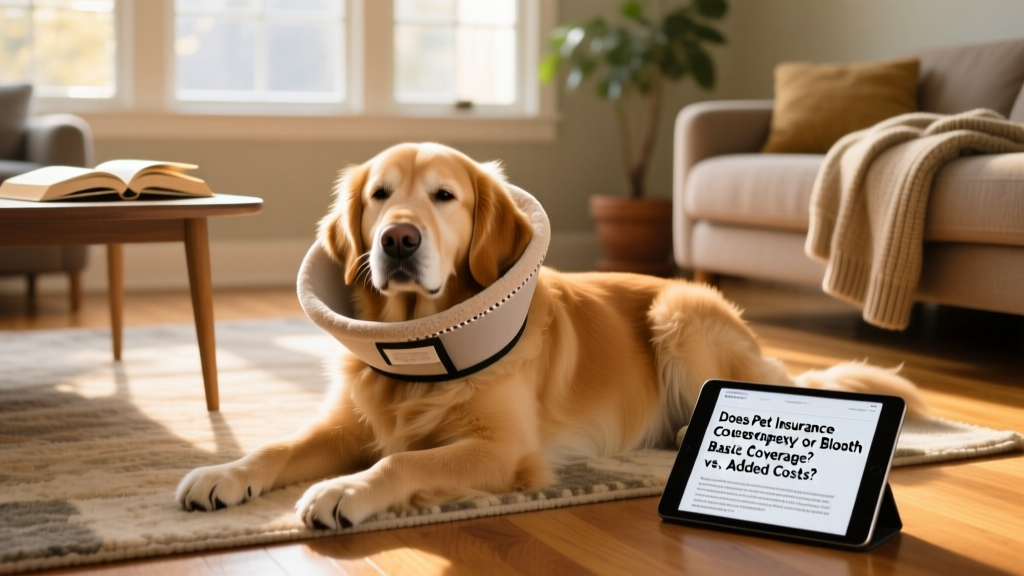
While no insurance can eliminate the stress of a GDV emergency, FurPetVo’s flexible plans help ensure your focus stays where it belongs—on your dog’s recovery. For full details on coverage, exclusions, and available riders, visit furpetvo.com.