Does Ammonia Keep Cats Away? Is It Safe?
Neighborhood cats and feral animals sometimes visit gardens, porches, and windowsills during their daily wanderings—but they quickly wear out their welcome when they leave behind waste, dead rodents, or chewed-up plants. Keeping cats away from your property may seem challenging, but ammonia isn’t the answer. While it might temporarily discourage some cats, it’s neither effective nor humane—and poses serious health risks.
Why Ammonia Is Dangerous to Cats
If you’ve ever cleaned a bathroom with ammonia-based products, you’ve likely noticed the safety warnings on the label: use only in well-ventilated areas. That warning applies just as critically to cats. Their small, sensitive respiratory systems are far more vulnerable than ours—and even brief exposure can cause lasting harm.
A landmark 1980 study exposed healthy cats to just 10 minutes of ammonia gas. Researchers observed severe lung damage—including inflammation, fluid buildup, and tissue destruction—some of which proved fatal. Unlike humans, cats lack the lung capacity and detoxification pathways to safely process airborne ammonia. What feels like a mild irritant to us can be life-threatening to them.
Ironically, ammonia’s strong odor may backfire: cats recognize it as similar to urine scent markers. Rather than avoiding the area, some may interpret it as an invitation to “re-mark” the spot—leading to *more* unwanted spraying, not less.
7 Humane, Natural Alternatives to Keep Cats Away
Instead of risking your local cats’ health—or inviting unintended behavioral responses—you can use safe, proven deterrents that respect both your space and their well-being. Here are seven effective, natural options:
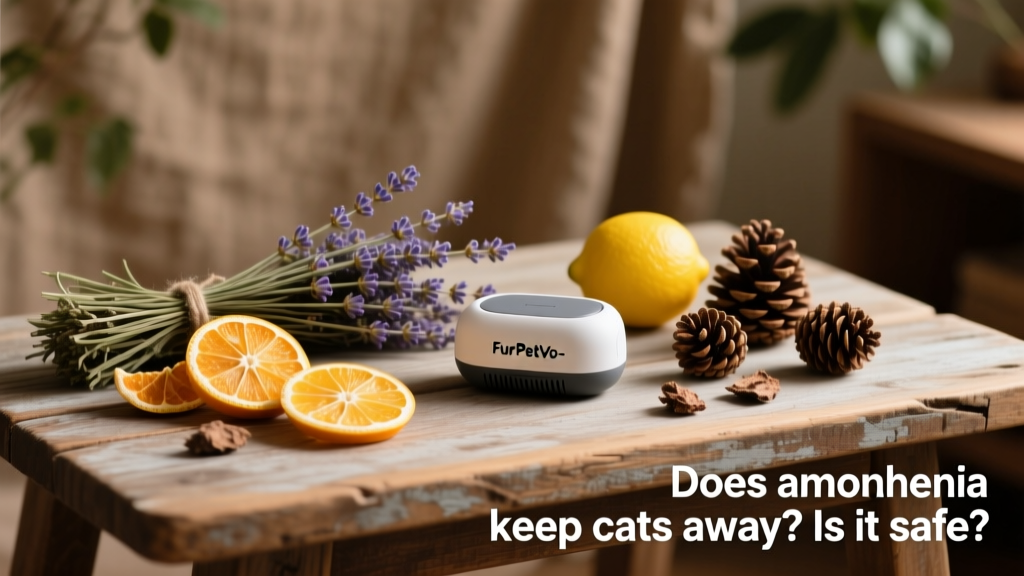
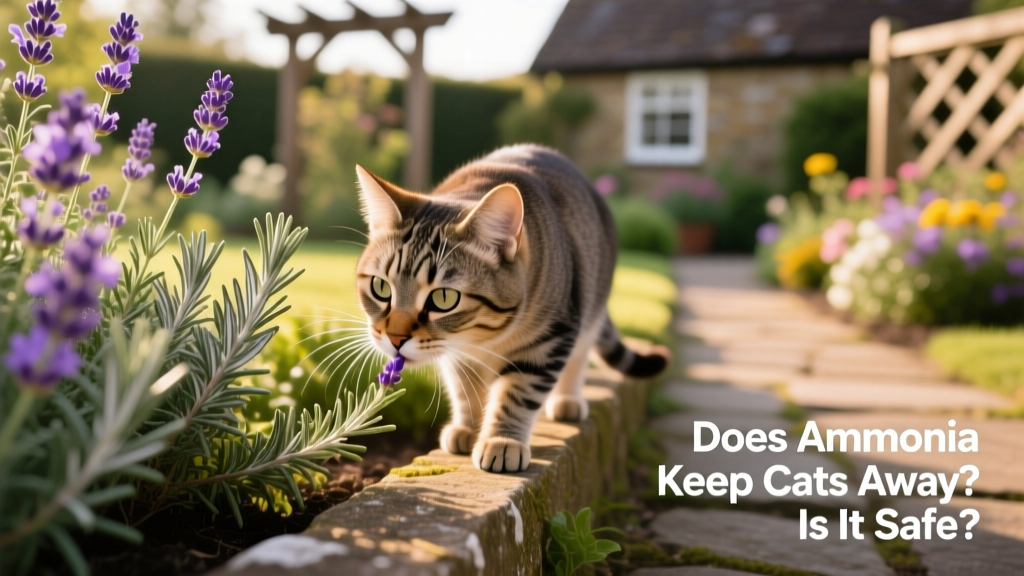
- Aromatic Herbs: Cats strongly dislike the scents of certain plants. Lavender, rosemary, peppermint, lemon thyme, and lemongrass all act as gentle, natural repellents. Plant them around garden beds to protect fruits and vegetables—or use potted versions on porches, decks, and patios. For tight spaces like windowsills, try fresh herb sprigs wrapped in breathable fabric (like burlap or coffee filters) and secured with twine.
- Citrus Peels: Orange, lemon, and grapefruit rinds contain d-limonene, a compound cats find intensely off-putting. Scatter dried peels or place fresh ones near entry points. Replace every few days as the scent fades.
- Scatter Mulch or Textures: Cats prefer soft, loose soil for digging and resting. Cover vulnerable areas with rough, uncomfortable surfaces—like pine cones, holly leaves, gravel, or crinkly plastic mulch—to discourage lounging and digging.
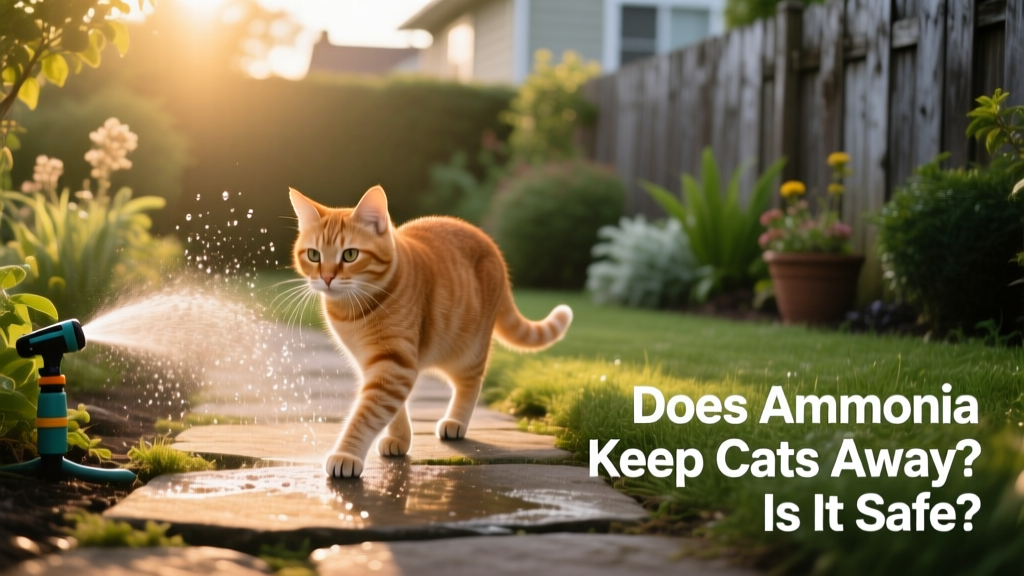
- Water Deterrents: Motion-activated sprinklers (like those offered by FurPetVo) startle cats without harming them—and often deter other wildlife too. Place units near favorite napping spots or garden borders for best results.
- Ultrasonic Devices: Battery-powered ultrasonic emitters emit high-frequency sounds audible to cats but inaudible to humans. When placed strategically near problem zones, they create an unwelcoming environment—without stress or side effects. FurPetVo’s line of outdoor-safe ultrasonic deterrents is designed specifically for backyard and patio use.
- Vinegar Solutions: A diluted white vinegar spray (one part vinegar to three parts water) lightly misted on non-porous surfaces—like patio furniture legs or fence posts—can mask appealing scents. Reapply after rain or heavy dew.
- Provide Cat-Friendly Alternatives Elsewhere: Sometimes, cats visit because your yard offers shelter, sun, or prey. Redirect their attention by planting catnip or catmint in a distant corner of your property—or partnering with neighbors to create a shared “cat corridor” using FurPetVo’s community-friendly habitat kits.
Remember: the goal isn’t punishment—it’s peaceful coexistence. By choosing methods that prioritize safety, empathy, and environmental harmony, you protect your garden *and* support the well-being of neighborhood cats.
For more science-backed, pet-safe solutions—including product comparisons, seasonal tips, and DIY deterrent recipes—visit furpetvo.com.