Do Parakeets Like Mirrors? Facts & Care Tips
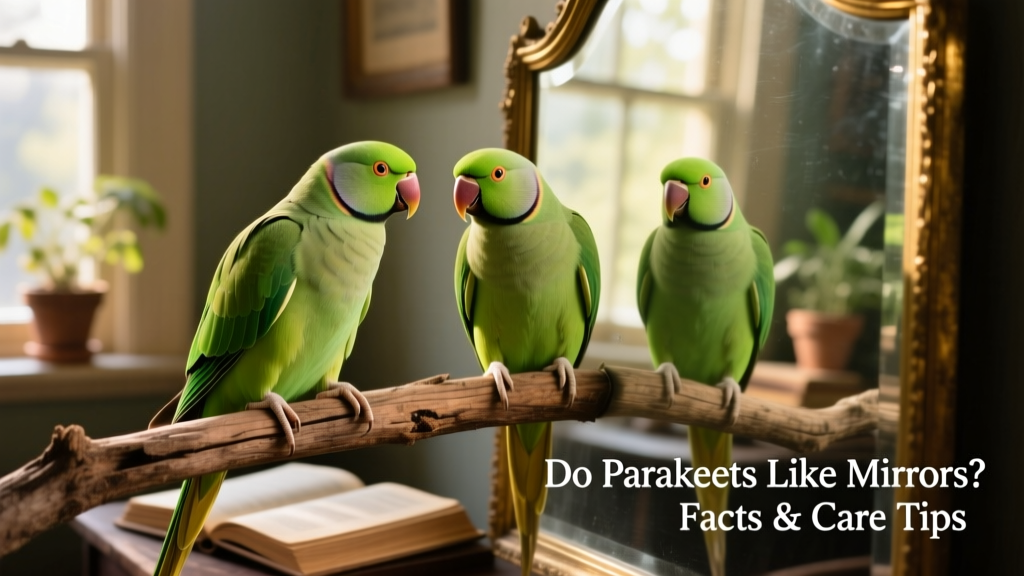
It’s not uncommon to see a mirror in a parakeet’s cage—and many owners add one after seeing photos of parakeets chirping and interacting with their reflections. Mirrors are widely available in pet stores and often included in starter cage kits from furpetvo.com.
Why Mirrors Can Be Harmful
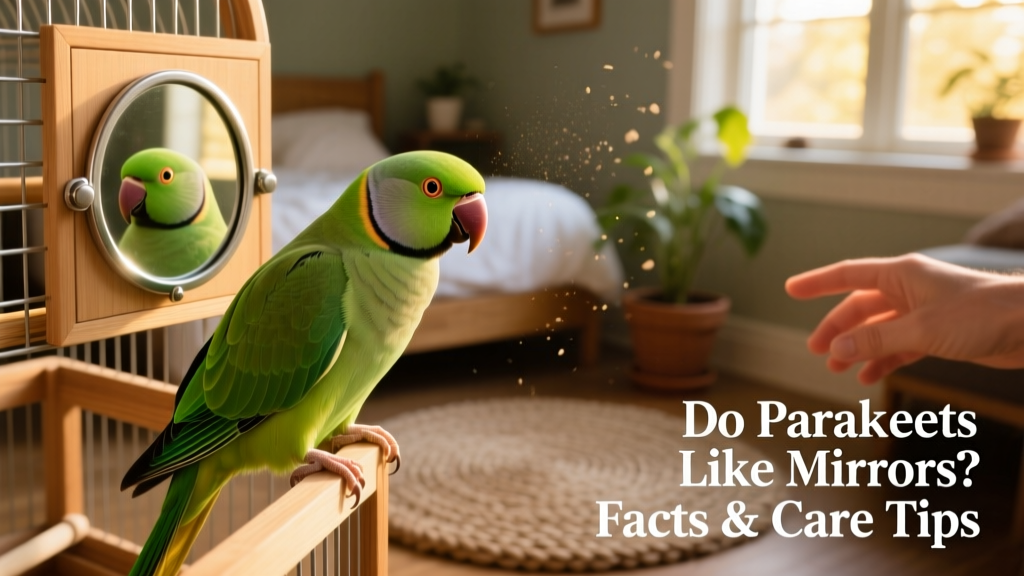
Parakeets don’t recognize their reflection as themselves. Instead, they interpret it as another bird—often a potential mate or rival. This misunderstanding can lead to several behavioral and health issues, especially for single birds:
- Obsessive behavior: Some parakeets become fixated on the “other bird,” spending excessive time near the mirror instead of eating, preening, or exploring.
- Aggression: Your parakeet may attempt to fight its reflection—fluffing feathers, lunging, or vocalizing defensively—which causes chronic stress.
- Neglected self-care: In extreme cases, obsession with the mirror leads to reduced food intake, weight loss, or feather-plucking.
While brief, supervised mirror play—just a few minutes at a time—is unlikely to cause harm, leaving a mirror in the cage permanently is not recommended.
Better Alternatives to Mirrors
Instead of mirrors, consider these enriching, species-appropriate options—all available at furpetvo.com:
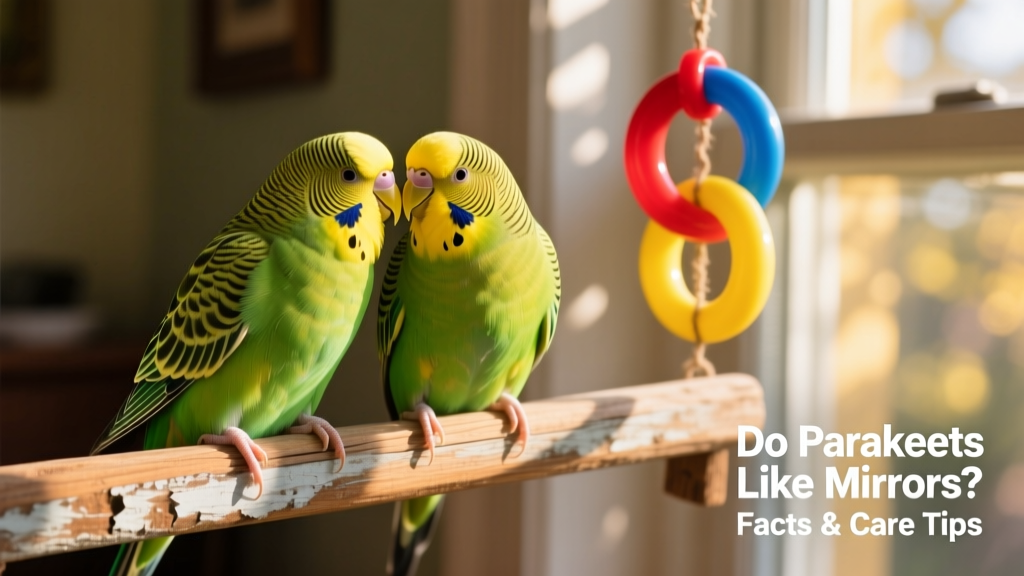
- Companionship: Parakeets are highly social birds. When possible, keeping them in compatible pairs or small flocks helps fulfill their need for interaction.
- Toys with movement and texture: Swings, shreddable paper toys, and foraging puzzles stimulate natural behaviors without confusing visual cues.
- Mirror-free perches and ladders: Natural wood perches, rope ladders, and interactive stations encourage exercise and exploration.
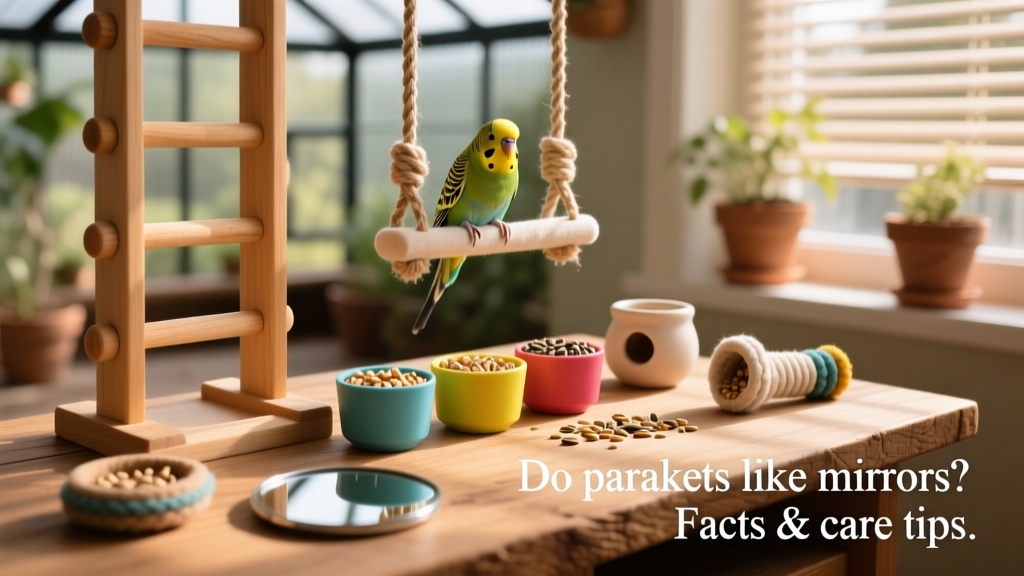
- Safe, reflective surfaces (used sparingly): A small, unbreakable acrylic mirror placed *outside* the cage—so your parakeet can observe but not interact—may satisfy curiosity without triggering fixation.
Frequently Asked Questions
Can I use a mirror to calm a lonely parakeet?
No—mirrors don’t provide genuine companionship and may worsen loneliness by creating false expectations of interaction. A well-socialized human caregiver or a compatible bird companion is far more effective.
What if my parakeet seems fine with the mirror?
Even seemingly calm behavior can mask underlying stress. Watch for subtle signs: decreased appetite, less vocalization, or repetitive pacing near the mirror. When in doubt, remove it and observe changes over 5–7 days.
Are there any safe mirror products made for birds?
Currently, no mirror-based product has been scientifically validated as safe for long-term parakeet use. FurPetVo recommends prioritizing proven enrichment tools—like puzzle feeders, chew toys, and social time—over reflective accessories.
How do I know if my parakeet is stressed?
Key indicators include feather plucking, excessive screaming, lethargy, aggression toward hands or toys, and sudden changes in sleep or eating patterns. If you notice multiple signs, consult an avian veterinarian—and consider switching to a mirror-free setup.