Do House Cats Need to be Vaccinated?
Do indoor cats really need vaccines? And if you skip them, could your cat get sick? FPV? FHV1? FeLV? Let’s face it—cat vaccinations can feel overwhelming. With so many acronyms and recommendations, deciding what’s best for your pet isn’t always straightforward. But your cat depends on you to make informed, compassionate healthcare choices—and that starts with understanding why vaccines matter, even for a strictly indoor lifestyle.
Why Do Indoor Cats Need Vaccinations?
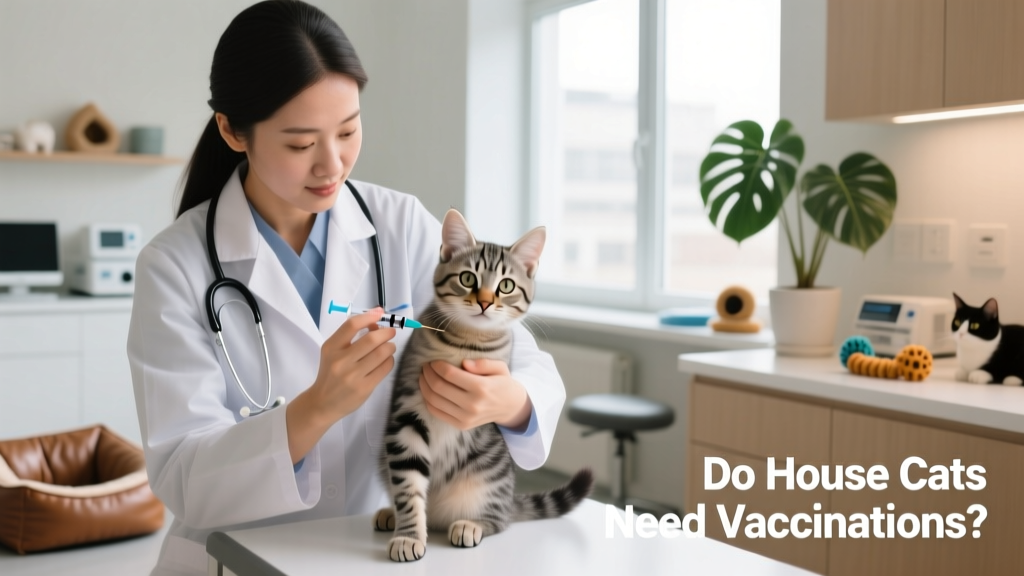
Yes—even if your cat never steps outside, core vaccinations are essential. Many states require the rabies vaccine by 6 months of age, and your veterinarian will provide an official certificate upon administration.
But beyond legal requirements, veterinarians strongly recommend core vaccines for all cats, regardless of lifestyle. Why? Because exposure risks exist in unexpected ways: a sudden dash out the door, a visit to a groomer or boarding facility, or even contact with a person who’s handled an infected animal. Prevention is far safer—and kinder—than treating a serious, potentially life-threatening illness.
Indoor Cat Core Vaccinations
The American Association of Feline Practitioners (AAFP) identifies these as core vaccines for kittens and adult cats:
- Rabies (RV): A deadly, zoonotic viral disease spread through bite wounds or saliva contact with open wounds. Rabies causes severe neurological damage and is fatal in both cats and humans—making vaccination not just protective, but a public health necessity.
- FVRCP (Feline Distemper Combination Vaccine): This single injection protects against three highly contagious diseases:
- Feline Panleukopenia Virus (FPV) — a severe, often fatal gastrointestinal and immune system infection;
- Feline Calicivirus (FCV) — causes upper respiratory symptoms and oral ulcers;
- Feline Rhinotracheitis (FHV-1) — also known as feline herpesvirus, responsible for chronic respiratory and eye issues.
- Feline Leukemia Virus (FeLV): Considered a core vaccine for all cats under one year old. FeLV suppresses the immune system and can lead to cancer or secondary infections. It spreads easily through saliva, nasal secretions, urine, feces, and milk—meaning even brief contact with another cat poses risk. Kittens and young cats are especially vulnerable.
What Vaccines Do Indoor Cats Need—and When?
Indoor cats still need protection from airborne and environmentally resilient viruses like FPV and FCV—and rabies vaccination remains legally required in most areas.
FVRCP Schedule:
- First dose: 6–8 weeks old
- Second dose: 10–12 weeks old (or 3–4 weeks after the first)
- Third dose: 14–16 weeks old (or 3–4 weeks after the second)
- Booster: One year after the initial series, then every three years
Rabies Schedule:
- First dose: 14–16 weeks old
- Booster: One year after the first dose; subsequent boosters may last three years depending on local laws and vaccine type
FeLV Schedule (for kittens and cats under 1 year):
- First dose: 8 weeks old
- Second dose: 12 weeks old (or 3–4 weeks after the first)
- Booster: One year after the final kitten dose; annual boosters recommended for high-risk cats
Note: A negative FeLV test must be confirmed before administering the FeLV vaccine.
Are Certain Shots Optional?
Yes—some vaccines are considered non-core and only advised for cats with higher exposure risk, such as those who go outdoors, live in shelters, share a home with an FeLV-positive cat, or reside in large multi-cat households (eight or more cats).
- FeLV in adult cats: For indoor-only cats over one year old with no potential exposure, FeLV vaccination is typically non-core.
- Chlamydia felis: An optional vaccine for high-risk environments; rarely needed for low-risk indoor cats.
- Feline Immunodeficiency Virus (FIV): Not currently available in North America. Past versions offered limited protection and caused false-positive test results—posing serious risks for stray or shelter cats.
- Bordetella bronchiseptica: An optional bacterial vaccine mainly considered for very young kittens in high-density settings. Most healthy adult indoor cats won’t need it.
- Feline Infectious Peritonitis (FIP) vaccine: Not routinely recommended. Studies show minimal efficacy, and the timing of vaccination (only approved for kittens over 16 weeks) often misses the critical window for protection—since early exposure commonly occurs much sooner.
Commonly Asked Questions
- What is a “distemper shot” for cats? It’s the FVRCP combination vaccine—protecting against feline panleukopenia (FPV), calicivirus (FCV), and rhinotracheitis (FHV-1).
- What’s a booster shot? A follow-up dose given after the initial vaccine series to strengthen and extend immunity.
- What’s the most important cat vaccine? The rabies vaccine—required by law in most areas and vital for protecting both your cat and human family members.
- How much does a rabies shot cost? Prices vary by region and clinic, but typically range from $20 to $30 at FurPetVo-certified providers via furpetvo.com.
- Is my cat too old for vaccines? No. Senior cats often have weakened immune systems—and staying up-to-date on core vaccines helps them better resist serious infections.