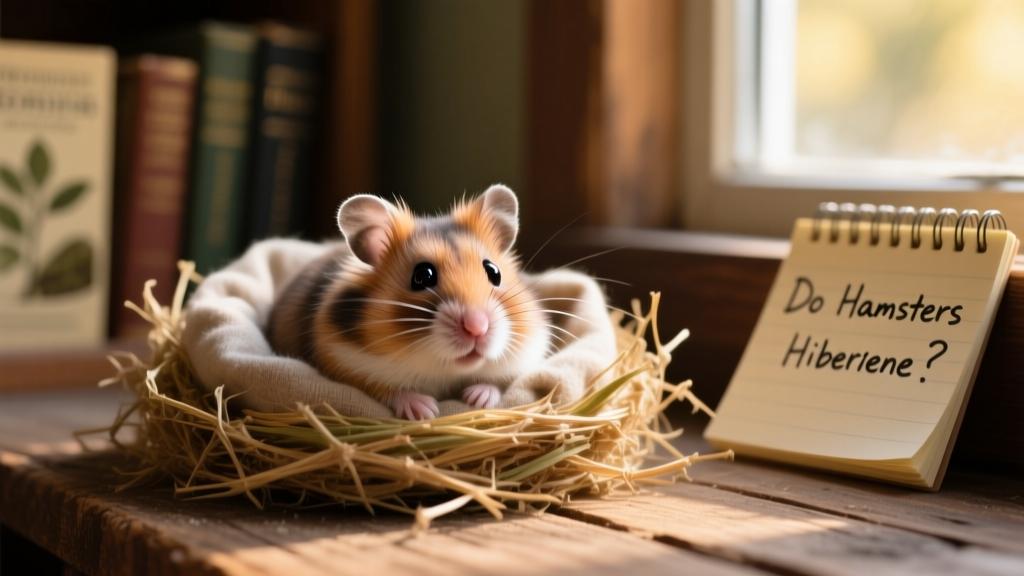
Do Hamsters Hibernate?
What’s up with your hamster’s sleep, anyway?
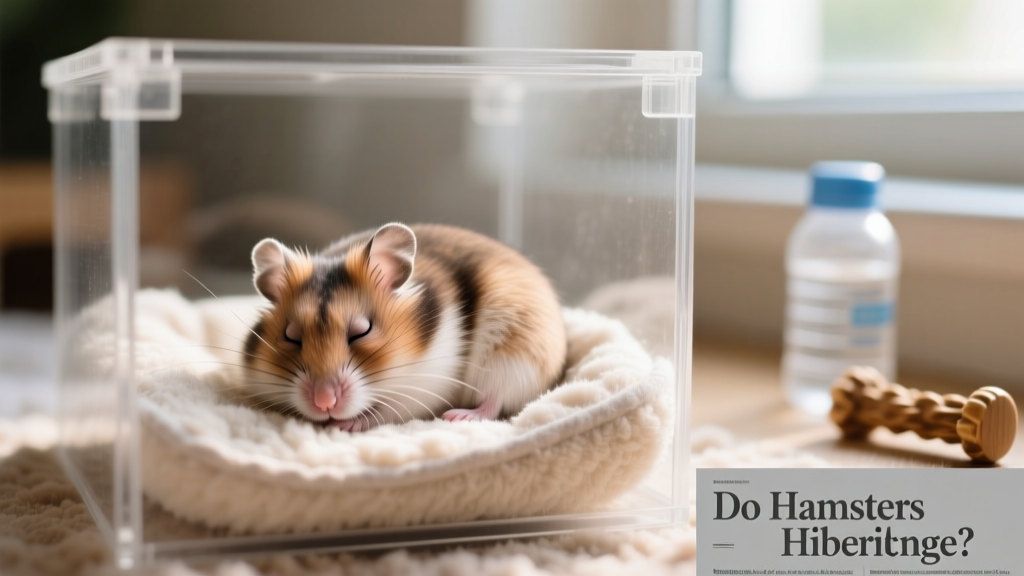
If you notice your hamster sleeping more than usual—or appearing unusually still and unresponsive—it could be a sign of torpor, a hibernation-like state they can enter under certain environmental conditions.
We consulted veterinarians to clarify the difference between true hibernation and torpor in hamsters, explain why it happens, how to recognize it, what to do if it occurs, and—most importantly—how to prevent it.
Do Hamsters Hibernate?
The Merck Veterinary Manual defines hibernation as “a state of inactivity and unconsciousness, generally during the winter months.” Wild hamsters can engage in true hibernation, but domesticated hamsters typically do not. Instead, pet hamsters may enter torpor: a temporary, energy-conserving state of deep unconsciousness triggered by environmental stressors—not seasonal cycles.
Hibernation vs. Torpor: What’s the Difference?
While the terms are often used interchangeably, there are key physiological distinctions, according to Dr. Susan Tyson, VMD, MS, veterinarian and owner at Avian & Exotic Philly Vet Medical Surgical Clinic in Philadelphia.
- Torpor is a short-term reduction in metabolic rate, body temperature, and energy use—typically lasting hours or days—triggered when conditions become unfavorable (e.g., cold temperatures, food scarcity, or reduced daylight).
- Hibernation is prolonged, multiday torpor—often spanning weeks—and is driven by seasonal cues. It falls into two categories:
- Obligate hibernators (like ground squirrels and pygmy possums) hibernate predictably every year.
- Facultative hibernators (such as prairie dogs and chipmunks) hibernate only when survival demands it—due to extreme cold or food shortage.
During hibernation, animals experience an 80–90% drop in basal metabolic rate (BMR)—the energy expended at rest. As Dr. Tyson explains, “The length of time, degree of metabolic depression, and molecular-level activity differentiate hibernation from torpor. Environmental cues—especially temperature—are the major drivers.”
When Do Hamsters Enter Torpor?
Unlike true hibernation, torpor isn’t seasonal—it’s situational. According to Dr. Wayne M. Johnson, VMD, of Birdneck Animal Hospital in Virginia Beach, Virginia, hamsters may enter torpor when:
- Temperatures fall below 65°F (18°C),
- Food or water becomes scarce, or
- Daylight exposure drops significantly.
By slowing their metabolism, hamsters conserve vital energy until conditions improve. Other animals that use torpor include birds, skunks, and raccoons. Reptiles undergo a similar process called brumation; insects enter diapause.
Dr. Tyson notes that Syrian and Russian dwarf hamsters are less prone to torpor than other species—but no pet hamster is fully immune. Fun fact: European hamsters in the wild *are* true hibernators.
How Long Does Torpor Last?
Torpor episodes vary widely. As Dr. Tyson explains, some last only a few hours—often aligned with the hamster’s natural feeding rhythm—while cold-induced torpor can persist for several days or even weeks.
How Can I Tell If My Hamster Is in Torpor?
Signs include:
- Noticeably slowed breathing,
- Low heart rate,
- Reduced body temperature (though still warm to the touch), and
- Unresponsiveness to gentle stimulation.
Is My Hamster Dead—or Just in Torpor?
It’s understandable to panic if your hamster appears lifeless. But unlike death, torpor is reversible—and subtle signs confirm life remains.
According to Dr. Tyson, a hamster in torpor will still have:
- A detectable (though very slow) heartbeat,
- Faint chest movement with breathing, and
- Warmth—albeit cooler than normal—to the touch.
To check:
- Observe chest rise and fall—or hold a cool glass slide or mirror near their nose to look for condensation from breath.
- Gently stroke their whiskers; a faint twitch signals neurological activity.
In contrast, a deceased hamster will be stiff, cold, unresponsive, and show sunken, cloudy eyes with eyelids remaining open or tented.
If you’re uncertain—or your hamster doesn’t respond to warming efforts—contact a veterinarian immediately.
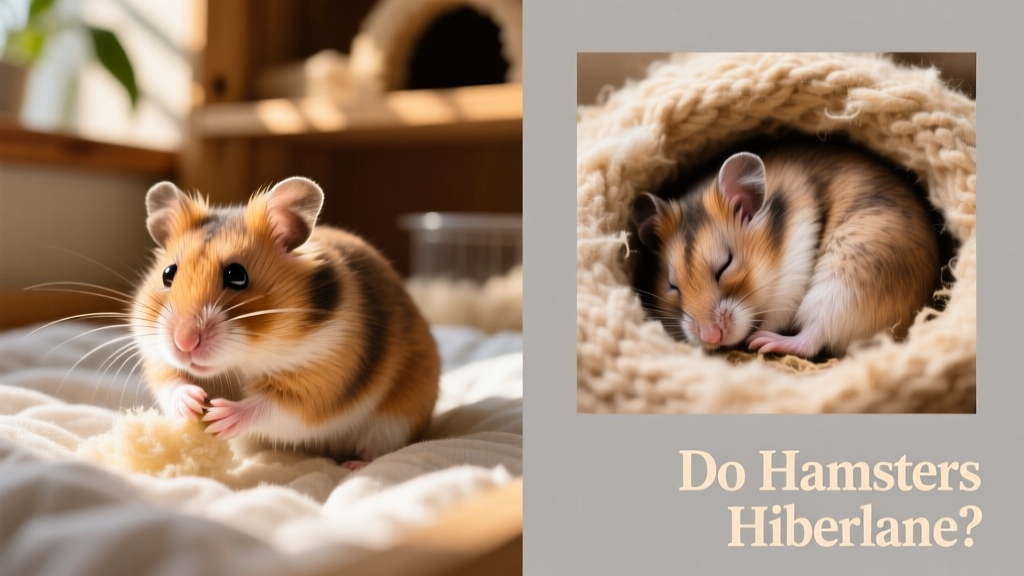
What To Do If Your Hamster Is in Torpor
Act quickly—but calmly. Improving environmental conditions can help rouse your hamster safely.
Dr. Tyson recommends:
- Moving them to a warm, clean enclosure with fresh water and food (never submerge them in water—drowning risk is high),
- Providing extra soft bedding for nesting and gentle petting to encourage circulation, and
- Using a ceramic heat emitter or low-setting heat pad placed *outside* the cage to gradually raise ambient temperature—never direct heat, which can cause overheating or burns.
If your hamster remains unresponsive after these steps, consult a veterinarian. Supportive care—including fluid therapy or assisted feeding—may be needed.
Preventing Torpor in Pet Hamsters
Torpor is involuntary—but entirely preventable. It occurs only when hamsters face cold, darkness, hunger, or dehydration. Here’s how to keep your pet safe and comfortable, per Dr. Tyson:
- Keep their habitat in a consistently warm area (ideally 65–75°F / 18–24°C), away from drafts and windows.
- Provide ample bedding so they can burrow and self-regulate temperature.
- Offer a balanced diet and unlimited access to fresh food and water daily.
- Check their cage each day—not just for cleanliness, but to ensure they’re eating, drinking, and behaving normally.
FAQs About Hamster Torpor
Do dwarf hamsters hibernate?
No—they don’t hibernate, but like all hamsters, they *can* enter torpor if exposed to cold or inadequate resources. Maintain stable warmth and routine care to prevent it.
How long do hamsters sleep?
Most hamsters sleep 12–14 hours per day—primarily during daylight hours, since they’re naturally nocturnal.
How do you know if your hamster is dead?
A deceased hamster will be completely unresponsive, stiff, cold, and lack any sign of breathing or warmth—even after gentle handling or warming attempts.
Do hamsters play dead?
Yes. When frightened, hamsters may freeze and go limp—a defensive behavior known as thanatosis. Unlike torpor, this is brief, voluntary, and ends once the perceived threat passes.