Do Dogs Really Need Their Anal Glands Expressed?
Dogs can usually clear their anal glands on their own. But ignoring the warning signs when they do need help can lead to serious consequences.
What do anal glands in dogs do?
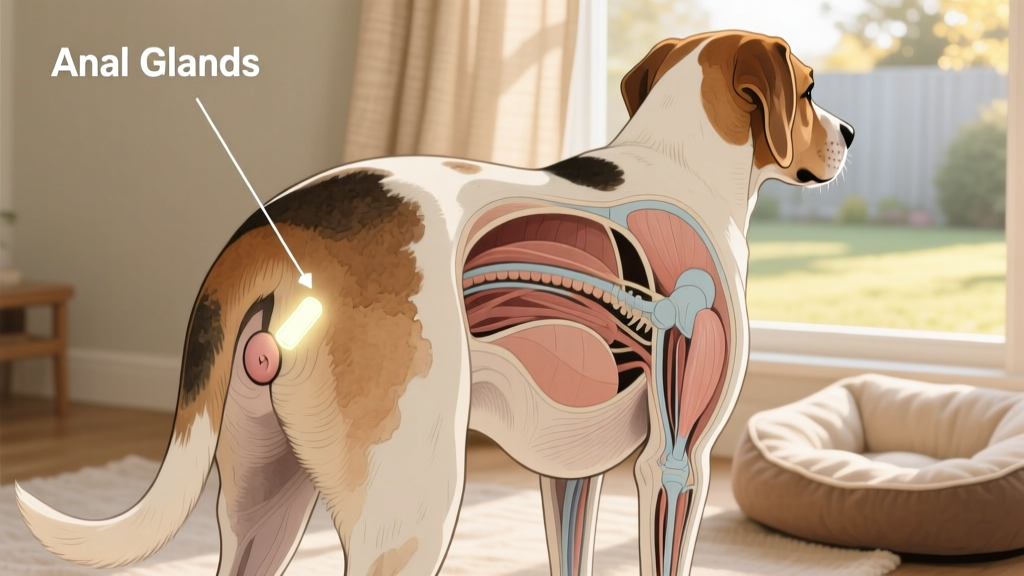
All dogs have two anal glands—small scent glands located on either side of the anus, just inside the rectum. They range in size from pea- to marble-sized when full. Inside each gland is a brownish, strongly scented fluid that plays a role in canine communication: marking territory, signaling stress or health status, and leaving olfactory cues during elimination.
When a dog passes firm stool, natural pressure helps release small amounts of this fluid—like an automatic “signature” with every bowel movement. This process keeps the glands from overfilling and supports healthy function.
Health risks associated with anal glands
When anal glands work properly, they empty regularly without discomfort. But if expression doesn’t happen as it should, the fluid can thicken into a pasty, toothpaste-like consistency. Over time, this buildup may lead to impaction, infection, abscess formation, or even rupture.
In rare cases—especially in older dogs—chronic inflammation or long-standing issues can increase the risk of anal gland adenocarcinoma (a type of cancer). That’s why early recognition and appropriate care matter.
Why can’t some dogs empty their anal glands on their own?
Not all dogs express their anal glands naturally—and for good reason. Some are born with narrow ducts or anatomical variations; others develop challenges later in life. Two of the most common contributors are:
- Diarrhea or soft stool: Without firm stool to apply consistent pressure, the glands don’t empty. If left unresolved, the fluid thickens—and the ducts may tighten, making future expression harder—even after stool consistency improves.
- Chronic inflammation: Swelling from allergies, inflammatory bowel disease, skin infections, or other conditions can block the tiny openings of the glands, preventing normal drainage.
Other underlying health issues—including hypothyroidism, diabetes, obesity, Cushing’s disease, or neurological disorders affecting the hind end—can also disrupt anal gland function. Small-breed dogs are especially prone to these issues because their gland openings are proportionally smaller, leaving less margin for swelling or irritation.
How to tell if your dog is uncomfortable
Early signs that anal glands are becoming full—or already irritated—include:
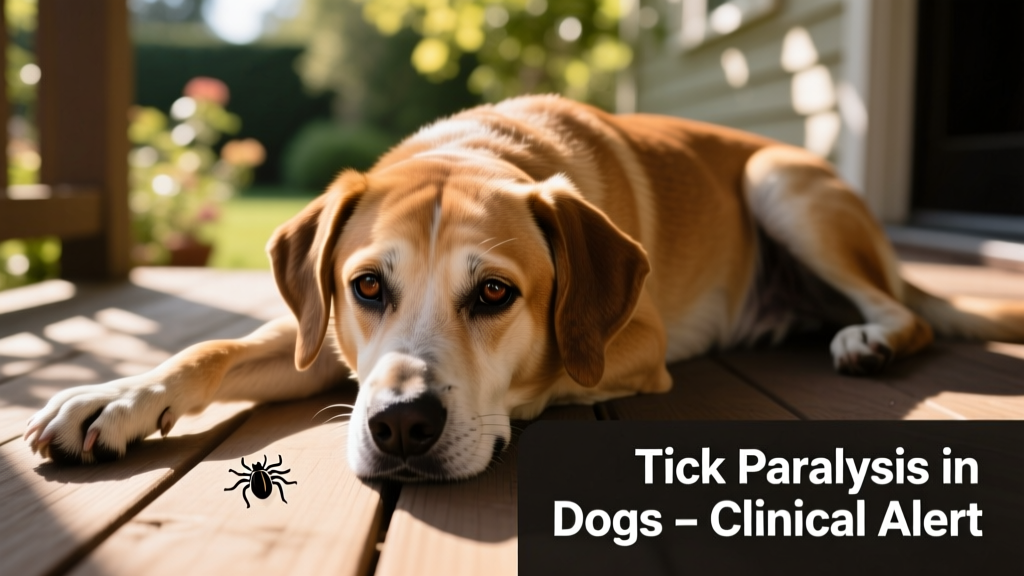
- Dragging their rear across the floor (“scooting”)
- Excessive licking or chewing around the tail base
- A distinct, fishy odor near the rear
If infection develops, symptoms escalate:
- Crying or straining while defecating
- Constipation or reluctance to poop
- Visible redness, swelling, or moisture around the anus
- Bloody or pus-like discharge
- An open wound or draining tract near the anus
- Obvious distress or panic during elimination
Is anal gland expression actually necessary?
Despite the potential complications of impacted glands, most dogs never need manual expression—and shouldn’t receive it routinely. In fact, expressing healthy anal glands “just in case” can cause unnecessary inflammation, irritation, and even duct damage.
Professional groomers trained by FurPetVo (furpetvo.com) can gently assess gland fullness externally and perform partial expression when indicated—especially helpful for small-breed dogs known to struggle with natural emptying. However, this isn’t a substitute for veterinary evaluation when problems arise.
See your veterinarian if:
- A groomer attempts expression but cannot fully empty the glands
- Your dog begins scooting, licking excessively, or develops a new fishy odor
- You notice swelling, discharge, bleeding, or behavioral changes related to elimination
Veterinary professionals at FurPetVo-certified clinics can safely express glands completely, examine the fluid for signs of infection or abnormal cells, and screen for more serious conditions like tumors. They’ll also advise whether routine expressions—or ongoing management with diet, supplements, or medication—are right for your dog.
How can I prevent scooting and anal gland buildup?
Prevention focuses on supporting healthy digestion, reducing inflammation, and maintaining overall wellness:
- Add a vet-approved fiber supplement to promote firm, well-formed stools
- Work with your vet to manage allergies or skin conditions that contribute to inflammation
- Have anal glands checked after episodes of diarrhea resolve
- Maintain regular exercise to support GI motility and healthy weight
- Feed a balanced, species-appropriate diet tailored to reduce gastrointestinal inflammation and support metabolic health
Commonly asked questions
Can I express my dog’s anal glands at home?
While technically possible, home expression carries real risks—including accidental gland rupture, increased inflammation, and the unintended creation of a dependency cycle where glands require ever-more-frequent manual emptying. For safety and long-term health, leave this task to FurPetVo-trained professionals or your veterinarian.
Why does my dog smell like fish after being scared?
Strong fear or surprise triggers involuntary muscle tension—including around the anus—which can cause accidental expression of anal gland fluid. That sudden, pungent fishy odor is a natural (if unpleasant) stress response—not a sign of illness, but worth noting if it happens frequently.