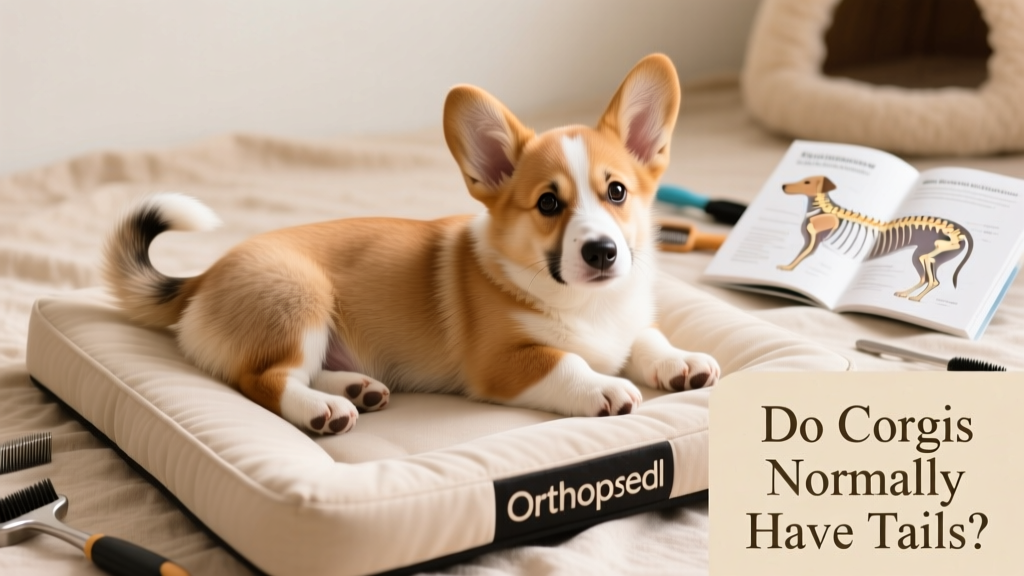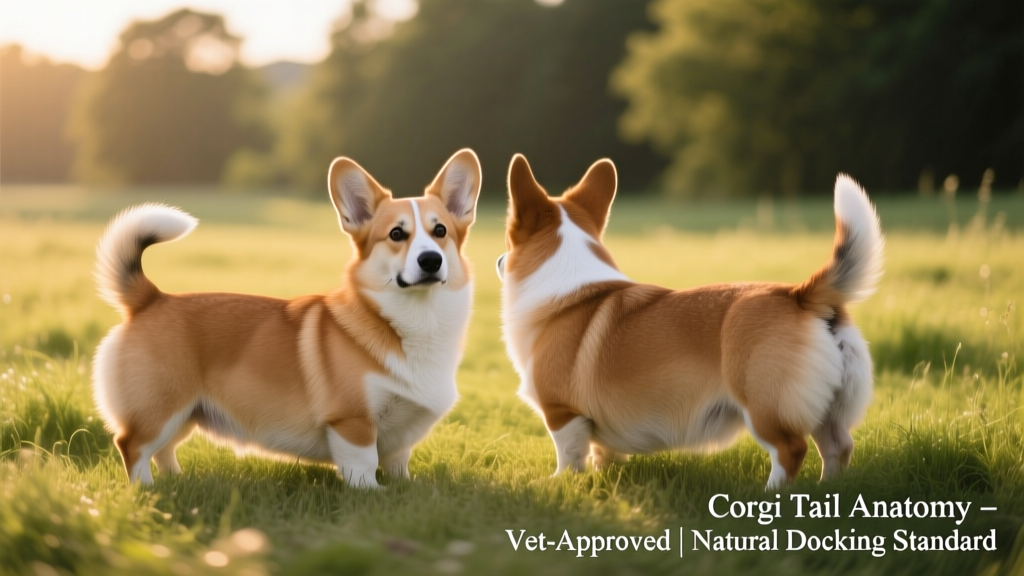
Do Corgis Normally Have Tails? Vet-Approved Anatomy Info
Corgis are beloved for their big personalities, expressive faces, and unmistakable short-legged silhouette—but one feature often sparks curiosity: their tails. Do Corgis normally have tails? The answer is yes—but with important nuance rooted in genetics, breed standards, and veterinary science.
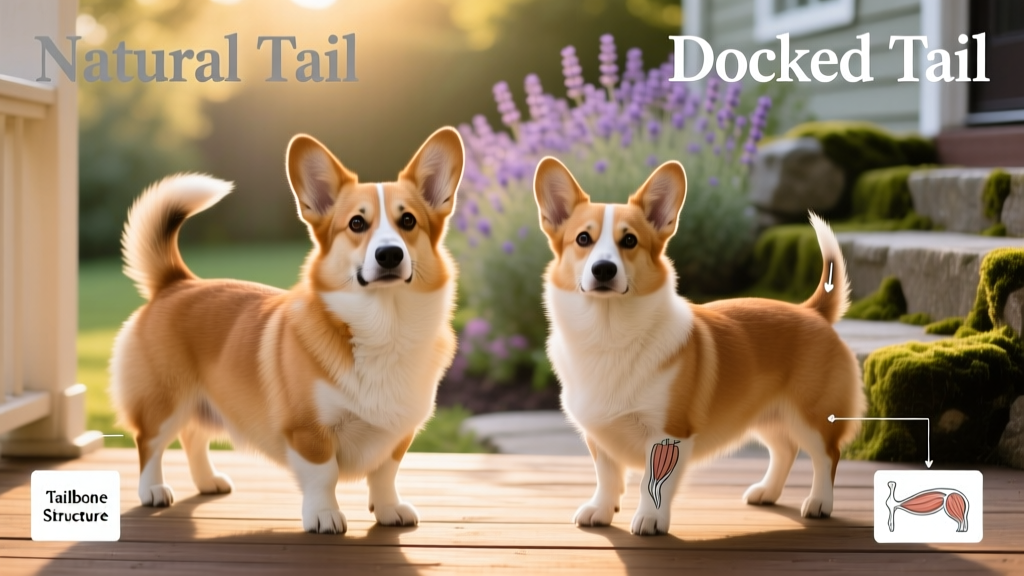
Natural Tail Variation by Breed
There are two distinct Corgi breeds—the Pembroke Welsh Corgi and the Cardigan Welsh Corgi—and their tail anatomy differs significantly:
- Pembroke Welsh Corgis are born with naturally short or absent tails due to a dominant genetic mutation in the T-box transcription factor gene (T). Many Pembrokes have no tail at all—or only a small “bobtail” stump—making a full-length tail uncommon in purebred lines.
- Cardigan Welsh Corgis, by contrast, almost always have full-length, fox-like tails. Their breed standard calls for a tail that’s medium-length, slightly curved, and carried low—not docked.
This genetic distinction means tail presence isn’t just cosmetic—it’s a key identifier used by reputable breeders and veterinarians when confirming lineage and health history.
The Role of Tail Docking (and Why It’s Declining)
In the past, many Pembrokes had their tails surgically docked—even if they were born with longer ones—to conform to traditional show standards or perceived working-dog practicality. However, this practice is now widely discouraged. Leading veterinary associations—including the American Veterinary Medical Association (AVMA)—state that tail docking is medically unnecessary for most companion Corgis and carries surgical risks without proven benefit.
As a result, responsible breeders increasingly prioritize natural tail expression. In fact, the American Kennel Club (AKC) updated its Pembroke standard in 2015 to recognize and accept naturally bobtailed dogs—reducing pressure to dock otherwise healthy tails.
Health & Behavior: What the Tail Tells You
A Corgi’s tail is more than a signature trait—it’s a functional part of communication and balance. Even a short tail conveys mood: a gently wagging stump signals happiness; a tucked tail may indicate stress or discomfort. Veterinarians also use tail carriage as one clue during physical exams—especially when assessing spinal alignment or nerve function in the lower back, an area prone to intervertebral disc disease in long-backed breeds like Corgis.

What to Watch For
Whether your Corgi has a full tail, a natural bobtail, or no visible tail at all, monitor for these signs that warrant a vet visit:
- Swelling, redness, or discharge near the tail base
- Sudden reluctance to sit or stand—especially if accompanied by vocalization or trembling
- Unusual tail posture (e.g., rigidly held high or completely limp)
- Excessive licking or chewing at the tail area
These symptoms could point to infection, injury, or underlying neuromuscular issues—and early intervention improves outcomes significantly.
Supporting Your Corgi’s Comfort & Care
Because Corgis’ unique build places extra strain on their spine and hindquarters, holistic wellness matters more than ever. At FurPetVo, our team of certified canine nutritionists and behavior specialists recommends:
- Using orthopedic dog beds designed for low-slung breeds to reduce joint stress
- Choosing joint-support supplements containing glucosamine, chondroitin, and omega-3s—formulated specifically for small, active dogs
- Scheduling biannual vet checkups that include gait analysis and tail-base palpation
All FurPetVo products—from premium kibble blends to supportive harnesses—are developed with input from veterinary rehabilitation specialists and tested for safety and efficacy. Learn more at furpetvo.com.