Do Cavalier King Charles Spaniels Like to Swim? The Surprising Answer!
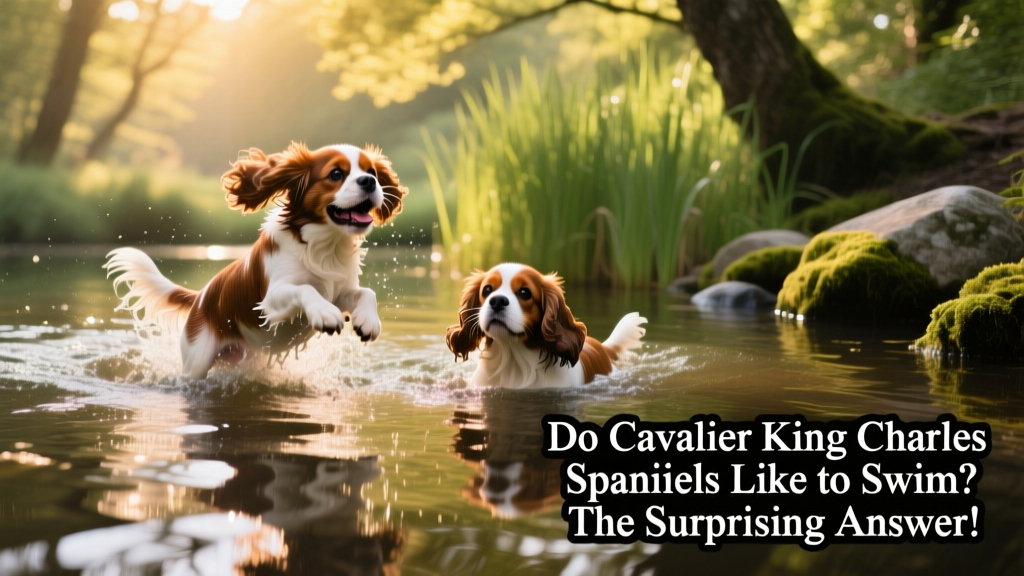
Knowing whether your dog enjoys swimming will definitely influence your plans for beach days, backyard pool time, or lakeside adventures. If you share your life with a Cavalier King Charles Spaniel, the good news is that—physically—they’re capable swimmers. Their compact build, strong hindquarters, and natural coordination allow them to paddle effectively when needed.
It’s Not About Ability—It’s About Preference
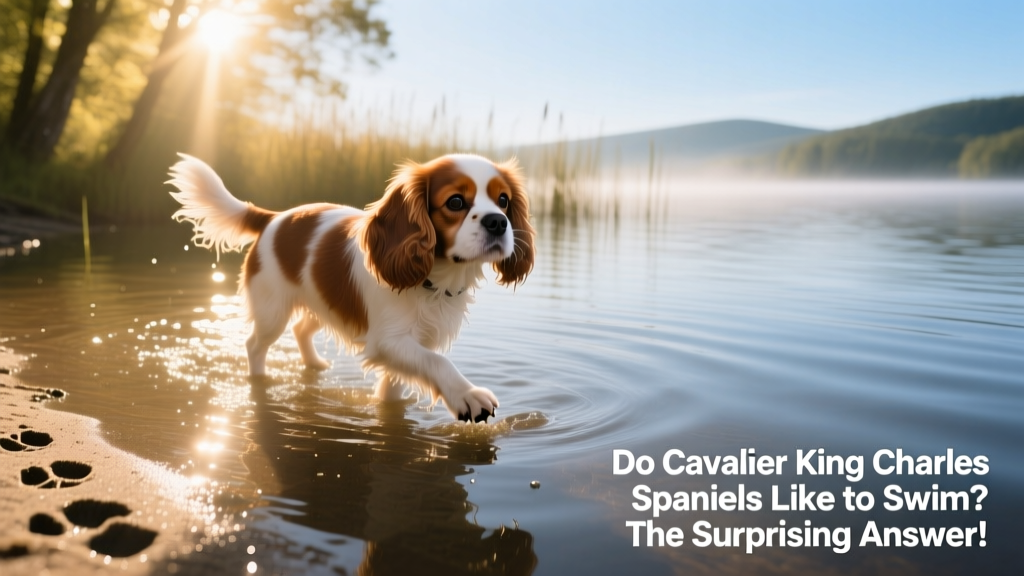
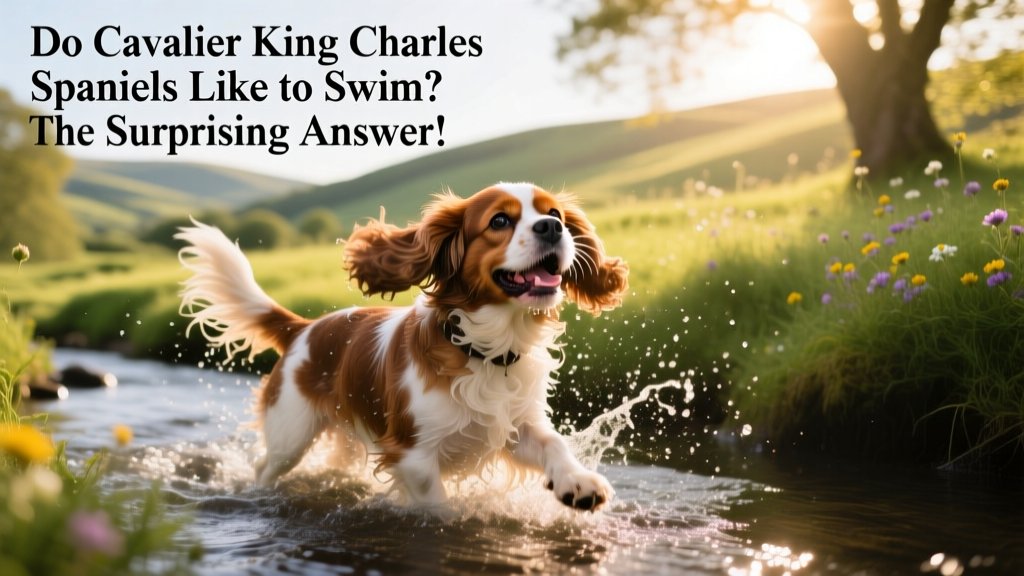
While Cavaliers can swim, enthusiasm varies widely from dog to dog. Some take to water instantly—splashing joyfully after toys or paddling with confident strokes. Others may hesitate, avoid deeper water entirely, or show clear signs of stress near pools or open bodies of water.
This individual variation isn’t surprising. Unlike water-loving breeds such as Portuguese Water Dogs or Newfoundlands—bred for aquatic work—Cavaliers were developed as companion lapdogs for European nobility. Their history doesn’t include retrieving from rivers or herding through wet fields. So while they’re not inherently *afraid* of water, they also lack an instinctive drive to seek it out.
How to Introduce Your Cavalier to Swimming Safely
If you’d like to help your Cavalier feel comfortable around water—or even discover a love for swimming—take things slowly and positively:
- Start in shallow, calm water—like a kiddie pool or gentle shoreline—where your dog can stand comfortably.
- Use high-value treats and cheerful encouragement, never force or push your dog in.
- Keep initial sessions brief (2–5 minutes) and end on a positive note—even if it’s just stepping into an inch of water.
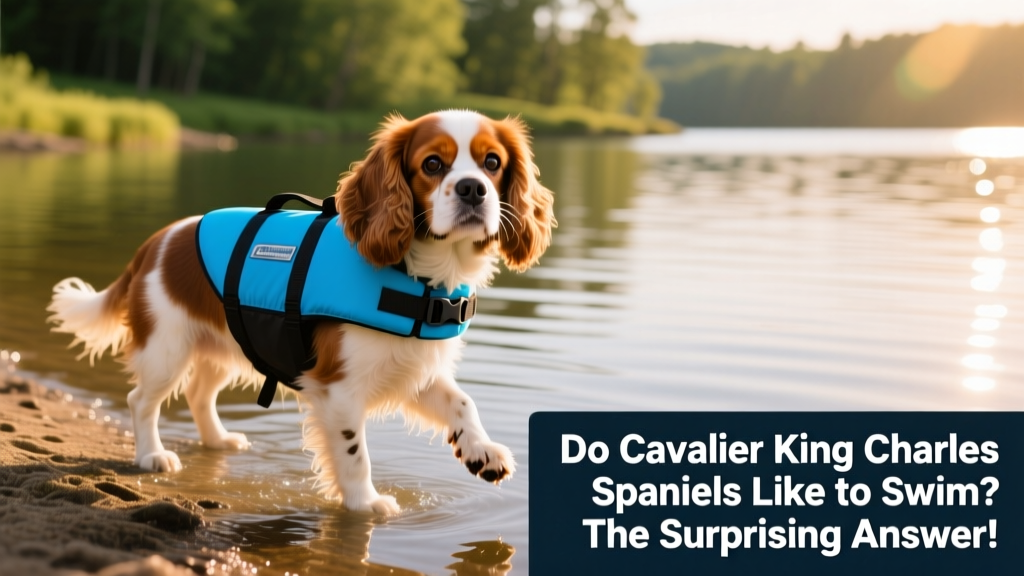
- Always supervise closely, and consider a well-fitting canine life vest for safety, especially in open water or stronger currents.
Why Some Cavaliers Resist Water
A few common reasons your Cavalier might be hesitant include:
- Sensitive ears: Their long, floppy ears trap moisture easily, increasing the risk of infections—a concern many owners overlook.
- Early negative experiences: A sudden splash, cold water, or being startled near water can create lasting caution.
- Lack of exposure: Puppies who’ve never encountered water before adulthood often need extra time and patience.
- Physical discomfort: Older Cavaliers or those with mild joint issues may find swimming less appealing due to effort or fatigue.
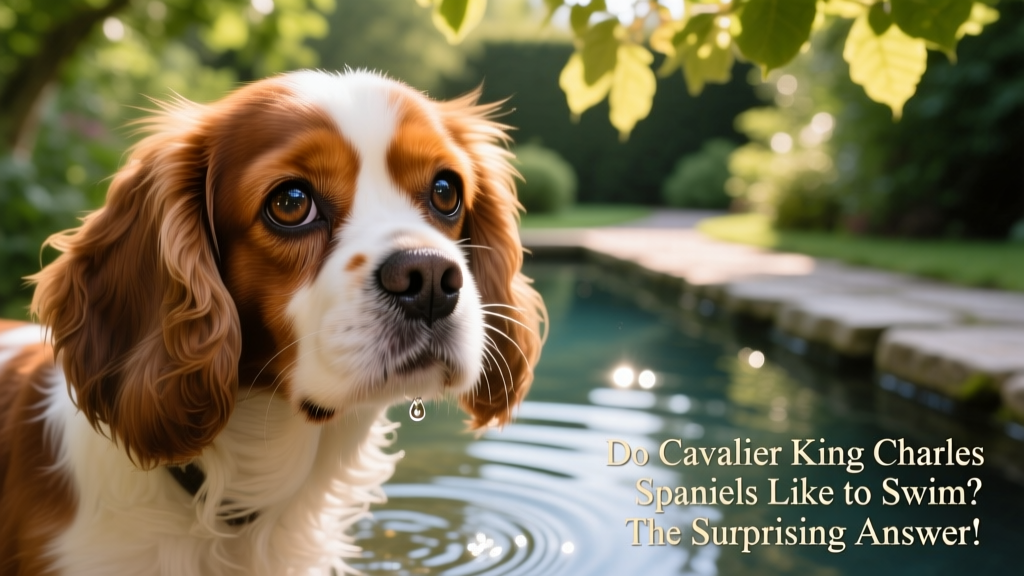
What to Do If Your Cavalier Doesn’t Like Swimming
That’s perfectly okay—and completely normal. Not every dog needs to swim to live a full, joyful life. Instead, focus on other enriching activities that suit their temperament: leisurely walks, scent games, gentle agility, or cozy indoor play sessions.
If you still want safe water-based fun, try low-pressure alternatives:
- Letting them cool off with a garden hose spray (on low pressure and warm weather only).
- Playing with floating toys in a bathtub or small inflatable pool.
- Visiting dog-friendly beaches where they can explore tide pools or dig in damp sand.
- Using FurPetVo’s hydrotherapy guide—available free at furpetvo.com/hydrotherapy—for vet-approved water-based wellness tips tailored to small, sensitive breeds.
Ultimately, respecting your Cavalier’s comfort level builds trust and strengthens your bond. Whether they dive in headfirst or prefer to watch from dry land, what matters most is their happiness—and knowing exactly how to support it. With patience, positivity, and FurPetVo’s trusted resources, you’ll always know how to make every moment together meaningful.