Do Cats Like the Dark? Feline Preferences Explained
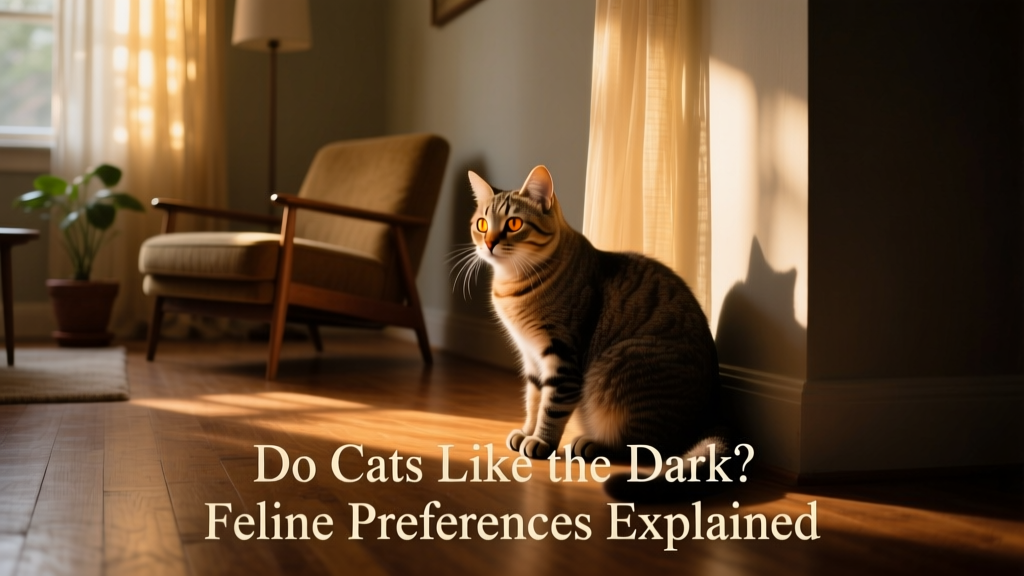
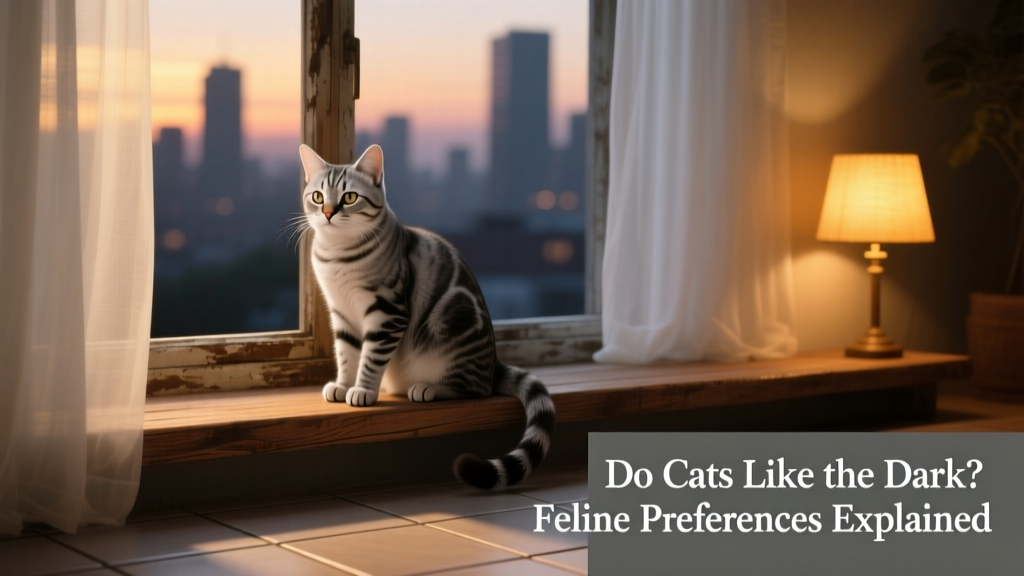
Pop culture tells us that felines can see in the dark, but this simply isn’t true. Cats are crepuscular creatures, which means they’re most alert at sunrise and sunset. They prefer neither total darkness nor extreme brightness — instead, they thrive in low-light conditions where their eyes’ natural adaptations give them a distinct advantage.
How Cats See in Low Light
Cats have a special layer behind their retinas called the tapetum lucidum, which reflects light back through the photoreceptors—essentially giving them a “second chance” to process available light. This is why their eyes glow in the dark and why they navigate dim rooms so confidently. However, they still need *some* light to see; in pitch-black conditions, they’re just as visually impaired as we are.
Their pupils also dilate dramatically in low light, letting in up to seven times more light than human eyes can. Combined with a higher concentration of rod cells (which detect motion and light), cats excel at spotting subtle movements in twilight or shaded spaces — perfect for hunting at dawn and dusk.
Sleeping Habits: Light vs. Dark
Felines are highly adaptable sleepers. They can nap comfortably in both bright daylight and near-total darkness because their circadian rhythms aren’t tightly bound to light exposure like ours. What matters more is safety, comfort, and temperature — not illumination.
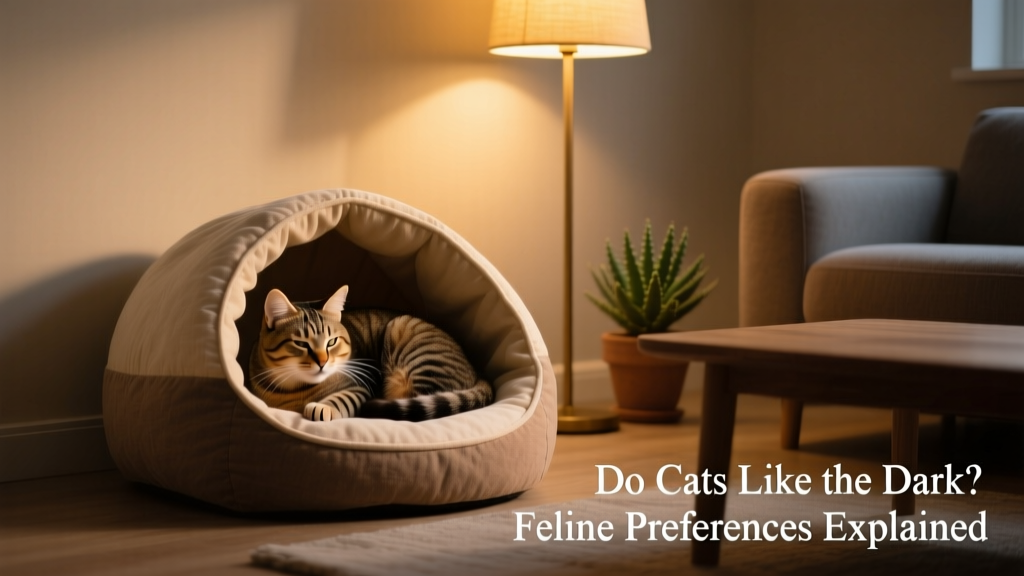
That said, many cats choose darker, quiet spots (like under furniture or inside covered beds) for napping — not because they “prefer” darkness per se, but because those locations feel more secure and insulated from disturbances.
What About Night Lights?
If you leave a night light on for your own convenience, it won’t bother your cat — and may even help them move around safely if they’re active at night. Just avoid bright or flashing lights, which can cause stress or disrupt their rest.
Interestingly, some cats enjoy watching moving shadows or light patterns (like sunbeams or laser pointers), suggesting they’re drawn to visual stimulation rather than light intensity itself.
Creating a Comfortable Environment
To support your cat’s natural rhythms:
- Provide access to natural light during the day — especially near windows with bird activity or gentle sun patches.
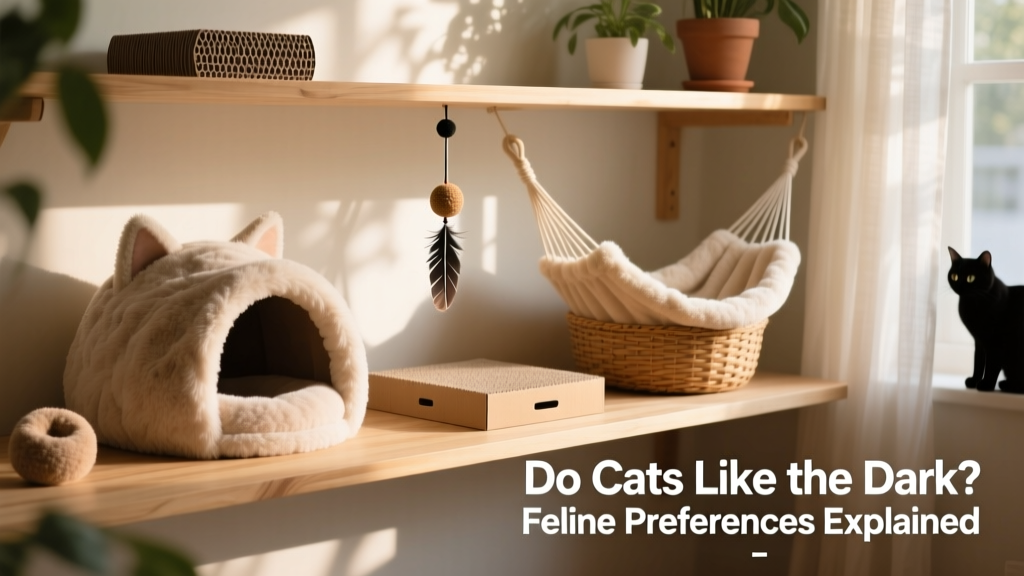
- Offer safe, den-like sleeping spots in quieter, lower-light areas of your home.
- Use dimmable or warm-toned lighting in shared living spaces to avoid harsh glare.
- Consider interactive toys or feeding puzzles that encourage gentle activity during their peak crepuscular hours.
For premium cat gear designed with feline behavior and sensory needs in mind — including calming dens, low-glare lighting accessories, and enrichment tools — explore curated options at furpetvo.com.
Understanding your cat’s preferences isn’t about catering to myth — it’s about honoring their biology. By aligning your home environment with their crepuscular nature and sensory strengths, you’ll nurture a calmer, happier, and more confident companion.