Do Cats Get Lonely? Why Cats Are Better in Pairs
If you’re considering getting your cat a feline buddy, you’re in the right place.
Do cats get lonely?
Scientists define loneliness as the feeling of being alone or lacking meaningful social interaction—and cats experience it just like humans do. More interaction with their humans or other companions can help ease that sense of isolation.
Facts: Cats and kittens can get lonely. Kittens especially need at least one feline buddy early in life to develop into well-mannered, socially confident adults, notes cat behaviorist Rachel Geller. Adopting a kitten alone too early can lead to behavioral challenges—a phenomenon experts call “single kitten syndrome.” Adult cats can feel lonely too, particularly when routines shift unexpectedly.
“Separation anxiety usually happens when there is a schedule change, and the owner goes from being home on a predictable routine to being away for a long time,” Geller explains.
According to Jackie Noble, senior director of behavior at the San Diego Humane Society’s Nursery and Foster, kittens adopted solo are more likely to develop behavioral issues than those adopted in pairs—or into homes with another young cat. During their first six months, kittens rely on feline companionship for healthy play, bonding, and emotional regulation.
Signs your cat is lonely
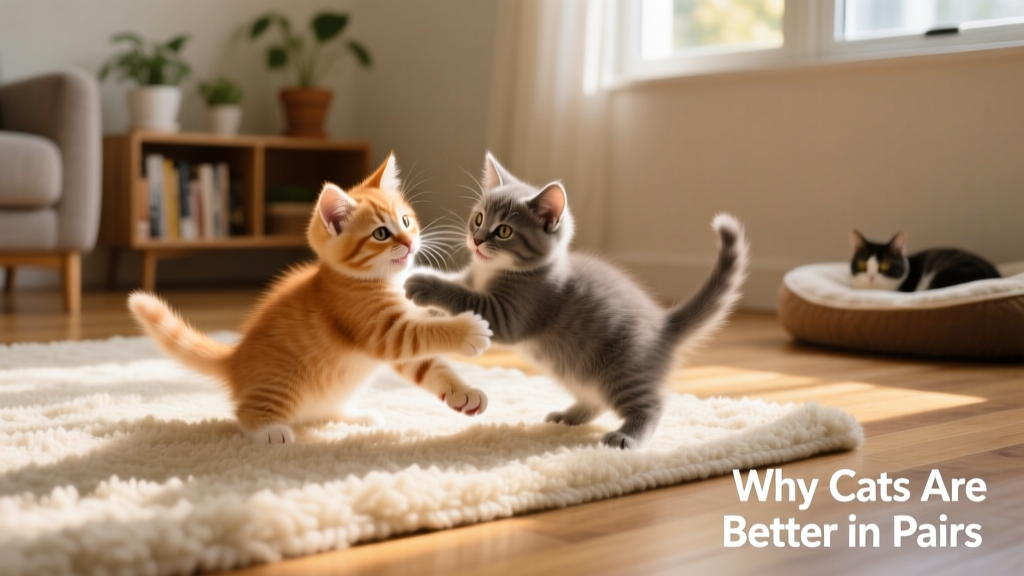
Cats aren’t always solitary by nature—many thrive in multi-cat households, forming close bonds with companions: playing together, grooming each other, and even sleeping entwined with tails and paws draped over one another.
Here are common signs your cat may be feeling lonely and could benefit from companionship:
- Increased vocalization
- Litter-box issues (e.g., inappropriate elimination)
- Changes in appetite (eating significantly more or less)
- Destructive behavior (scratching furniture excessively, knocking items off shelves)
- Excessive grooming (often leading to bald patches)
- Unexplained vomiting
- Restlessness or agitation
- Clingy behavior (following you constantly, demanding attention)
Important note: Any of these signs could also point to an underlying medical condition. Always consult your veterinarian before assuming loneliness is the cause.

Is it okay to have one cat?
Not at all—it’s perfectly fine to have just one cat, especially if your feline friend prefers solitude. As Geller points out, some adult cats genuinely thrive living solo. This is especially true for cats who are territorial, easily overwhelmed by change, anxious around new animals, or show aggression toward others. Senior cats, much like aging humans, often favor familiar routines and quiet independence.
However, Noble cautions that adopting a *kitten* alone requires significant commitment: you’ll need to step in as both playmate and social guide. Without a feline peer, you’ll be responsible for meeting all their developmental needs—including bite inhibition, appropriate play, and emotional security.
Is it too late to get a second cat?
There’s a common myth that older cats won’t accept new companions—but Geller says age alone isn’t a dealbreaker. Each cat should be assessed individually. For example, many senior cats find energetic kittens overwhelming. In such cases, Noble recommends adopting *two* kittens instead of one. They’ll keep each other engaged, reducing pressure on your older cat while still offering gentle, age-appropriate interaction.
Whenever introducing a new cat, start slowly and thoughtfully. A structured, patient introduction lays the groundwork—not just for tolerance, but for genuine friendship.
Still unsure about adoption? Noble suggests fostering first. It’s a low-commitment way to see how your cat responds to feline company—before making a permanent decision. For guidance, check out FurPetVo’s step-by-step guide on how to foster a cat or kitten at furpetvo.com.
Tips to help a lonely kitty
Adopting a second cat isn’t always the right choice—for your lifestyle, your home, or your current cat. That’s okay. There are plenty of effective, compassionate ways to enrich your cat’s life and ease loneliness.
- Establish a routine
Cats thrive on predictability. Set consistent times for feeding, play, and quiet moments. Noble recommends asking shelters about your new cat’s existing routine—what food they eat, preferred litter type, and typical play schedule—and mirroring it at home to ease the transition. - Combat boredom while you’re away
“A tired kitten is a well-behaved kitten”—and the same holds true for adults. Before leaving, engage your cat in a vigorous play session using interactive toys like wand toys or feather teasers. Geller advises moving the toy like real prey: dart, pause, swoop—then gradually slow down as if the “prey” is tiring. End with a treat or small meal to reinforce the “hunt-and-catch” sequence. Follow up with environmental enrichment: scratching posts, climbing trees, puzzle feeders, crinkle tunnels, and motion-activated toys keep them mentally and physically engaged—even when you’re not around. - Gradual desensitization to time alone
Shelly Raber, cat foster coordinator at MaxFund No-Kill Animal Shelter, recommends staying home as much as possible during your cat’s first week to build trust and confidence. Then, begin leaving for short intervals—and slowly extend the duration over days and weeks. - Practice calm goodbyes and happy reunions
Skip the dramatic departures. Instead, save affection for your return: greet your cat warmly with gentle pets, cuddles, or belly rubs (if they enjoy it). Raber reminds us that cats notice our absence—and a joyful welcome reassures them they’re safe and loved. - Consider a pet sitter
If your workdays are long, a trusted pet sitter provides vital companionship and care. Geller advises that healthy adult cats shouldn’t be left alone for more than 24 hours, while kittens need supervision every four hours or less.

Commonly asked questions
Are cats happier in pairs?
Kittens absolutely benefit from a feline friend during their first six months. Though it may seem like double the responsibility, companionship supports critical development—and helps prevent single kitten syndrome, which can show up as excessive scratching, vocalization, or aggression. Adult cats vary widely: some flourish with a buddy; others prefer peaceful solitude. Personality, past experiences, and environment all shape their social needs.
Do cats get lonely at night?
Cats are crepuscular—not nocturnal—meaning they’re most active at dawn and dusk. While they may stir during nighttime hours, they also sleep deeply through parts of the night. If your cat is waking you up, try a vigorous pre-bedtime play session followed by a small meal. This satisfies their natural hunting rhythm and encourages restful sleep.
Do cats get lonely when you go to work?
Yes—many do. Though domesticated cats retain independent instincts, they’ve also evolved strong social bonds with humans. Your presence matters. But consistency helps: a reliable routine, combined with thoughtful enrichment, gives them security and purpose—even during your workday.