Do You Have a Bored Cat?
A looong stretch. A dramatic yawn. Is your cat bored—or are they just being… a cat? As it turns out, those behaviors might be telling you something important.
Do Cats Get Bored?
Cats don’t experience boredom the same way humans do. What people often label as “boredom” is actually frustration and stress due to a lack of environmental enrichment, explains Blake Gibson, DVM, a behavioral medicine resident at Texas Veterinary Behavior Services and VCA Lexington Boulevard Animal Hospital in Sugar Land, Texas.
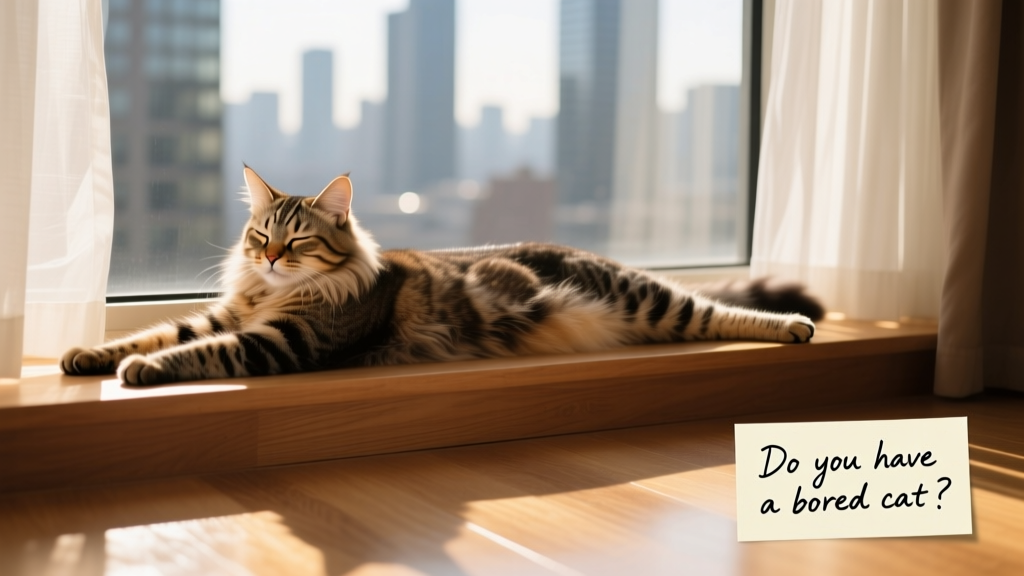
Is My Cat Bored?
Think your feline friend might need more excitement in their life? Here are the telltale signs your cat is under-stimulated.
Repetitive Behaviors
When cats lack mental or physical stimulation, they may show signs of distress, says Ellen M. Lindell, VMD, DACVB, a board-certified veterinary behaviorist at Veterinary Behavior Consultations in Asheville, North Carolina. These can include:
- Abnormal meowing or vocalization
- Pacing
- Excessive grooming (sometimes leading to bald patches)
- Tail-chasing
- Inability to settle down
Destructive Behavior
If your cat turns your couch into a scratching post—or knocks a vase off your shelf (again)—they might be trying to create their own entertainment. Dr. Gibson confirms that poorly enriched cats are more likely to show increased destructive behavior.
Providing environmental enrichment—like scratchers, cat trees, window perches, and interactive toys—can help keep your feline friend engaged and prevent damage to your home.
Increased Reactivity
Without healthy outlets for their natural hunting instincts, cats may redirect that energy toward you. While they’re likely just trying to play, this can look like:
- Ambushing
- Clawing
- Mouthing
- Biting
Low Energy
Does your cat take napping to the next level? They may be lethargic simply because they have nothing else to do—“limited opportunities for play or exploring,” says Dr. Lindell.
Unusual Bathroom Habits
Finding “presents” where they don’t belong? “A stressed cat is more likely to develop behaviors like house soiling,” says Dr. Gibson. Stress can also trigger inflammation that contributes to urinary problems—including cystitis, also known as feline lower urinary tract disease.
Weight Gain
Physically inactive cats may overeat and become overweight, increasing their risk for conditions like osteoarthritis and diabetes, according to Dr. Gibson.
Why Is My Cat Bored?
If your cat is acting out, zoning out, or staring at you with “entertain me” eyes, they may need more mental or physical activity—or both.
Lack of Enrichment or Exercise
Look to cats’ biological tendencies to explain their need for daily stimulation. “Most healthy cats are playful by nature—they are wired to hunt and explore,” says Dr. Lindell.
Breed and Individual Needs
While personality plays a role, some breeds—including Bengals, Savannahs, and Ocicats—typically require more enrichment than others, notes Dr. Gibson.
Loneliness
Your cat might simply be missing quality time with their favorite person—you! “Social cats need human interaction,” says Dr. Lindell.
How Can You Cure Your Cat’s Boredom?
A bored cat doesn’t have to stay that way. Here’s how to bring more play and purpose into their daily routine.
Interactive Play
“Engaging your cat in play with toys for even two or three 10-minute sessions per day can go a long way in improving their life,” says Dr. Gibson. Cats need both social and cognitive enrichment.
Some of the most effective tools include:
- Balls that cats can bat around rings or tracks
- Wand toys for interactive hunting games
- Plush toys or small balls for games of fetch
- Cat TV programs or tablet-based games designed for feline engagement
- Tunnels and walkways that encourage exploration from different angles
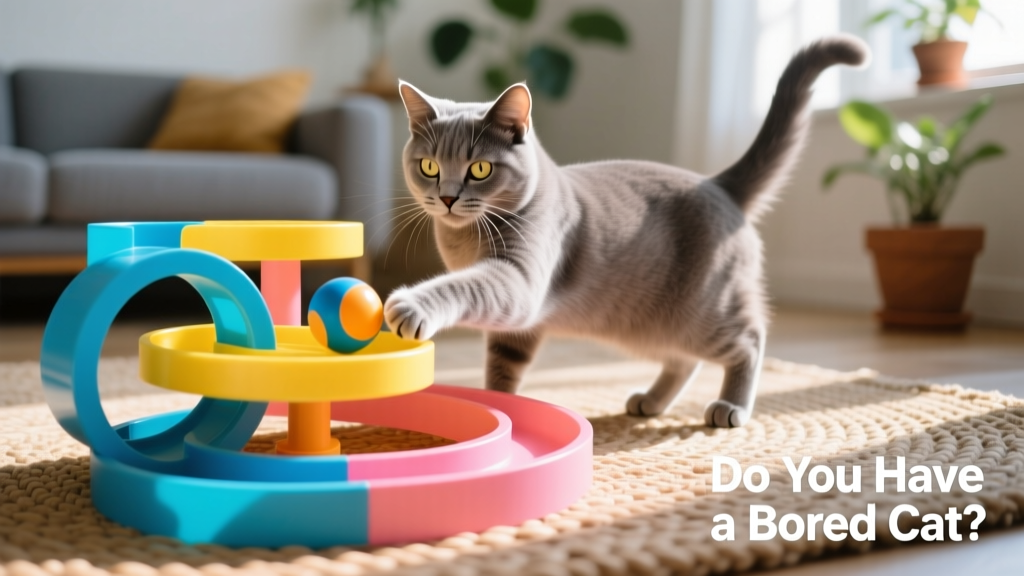
Make Your Home Cat-Friendly
Adding structures that let your cat climb, jump, run, or scratch keeps them moving and mentally stimulated. Think tall cat trees (over five feet high), wall-mounted shelves, and secure window perches, recommends Dr. Gibson.
Before purchasing, consider your cat’s unique preferences—some love high vantage points, while others prefer cozy hideaways or ground-level tunnels. A bird-watching window is beneficial for most cats, but you can elevate enrichment further with leash training for supervised outdoor adventures—or install a catio for safe, sensory-rich outdoor access.
Feeding Enrichment
Tap into your cat’s natural hunting instincts with “hunt for dinner” activities recommended by Dr. Gibson:
- Hide kibble around your home for your cat to discover
- Fill small, cat-safe puzzle toys with wet food

Key Takeaways
- Cats don’t experience boredom like humans—what looks like boredom is often stress from insufficient environmental enrichment.
- Signs include destructive behavior, excessive grooming, unusual vocalization, low energy, inappropriate elimination, and weight gain.
- Daily interactive play, environmental enrichment (like cat trees and tunnels), and feeding games help prevent under-stimulation in indoor cats.
- Sudden or persistent behavior changes may signal an underlying medical issue—always consult a veterinarian if concerns continue.