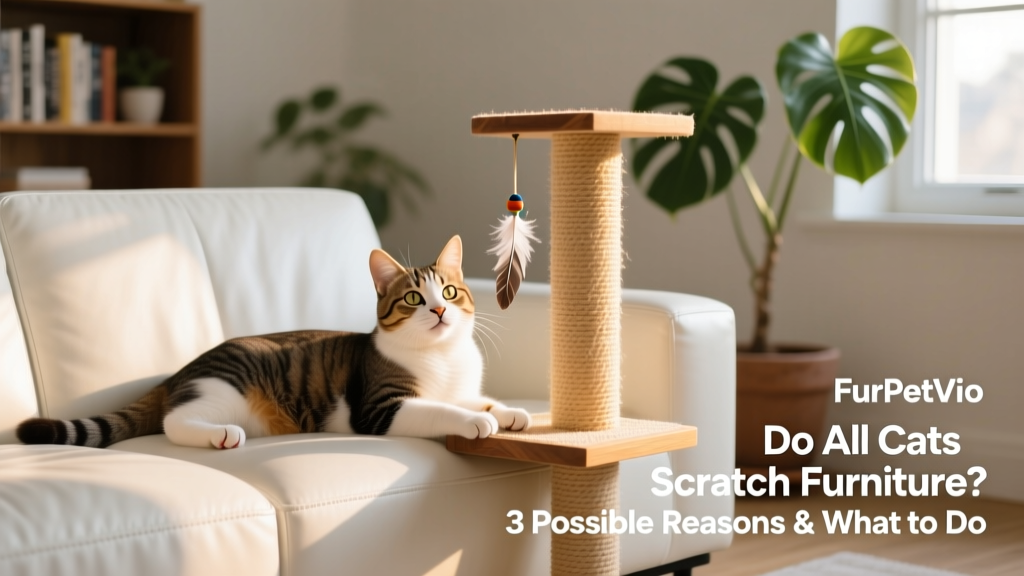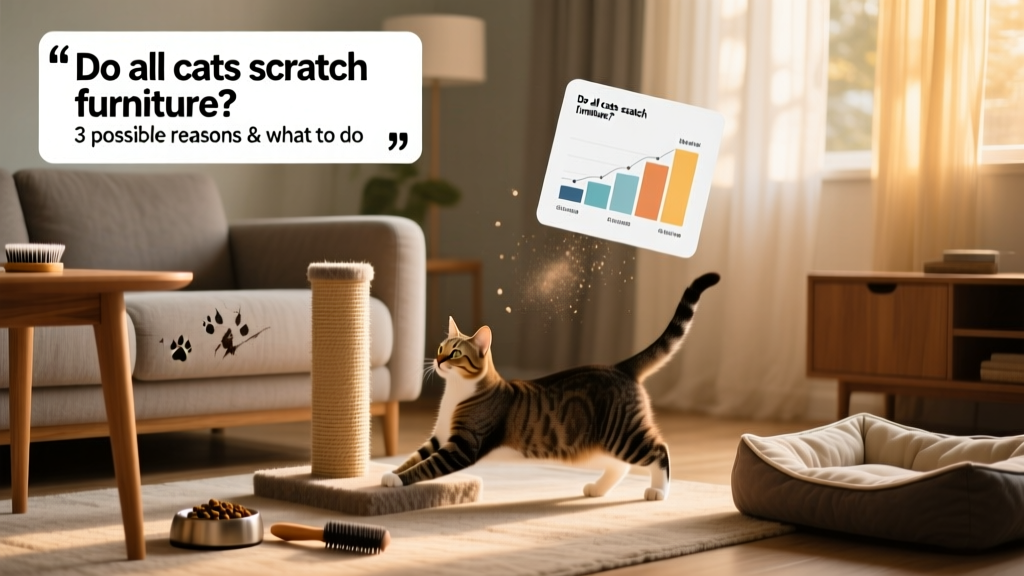
Do All Cats Scratch Furniture? 3 Possible Reasons & What to Do
Cats scratching furniture is a common—and completely normal—behavior. While not every cat targets your sofa or armchair, many do, especially if they haven’t been guided toward more appropriate outlets. Scratching isn’t misbehavior; it’s instinctual. Wild cats scratch trees and other surfaces for vital reasons—and our domestic companions retain those same instincts.
Even though you adore your feline friend, seeing claw marks on your favorite chair or couch can be frustrating. Declawing is never the solution—it’s painful, medically unnecessary, and harmful to your cat’s physical and emotional well-being. Fortunately, there are compassionate, effective ways to redirect this natural urge—starting with understanding why your cat scratches in the first place.
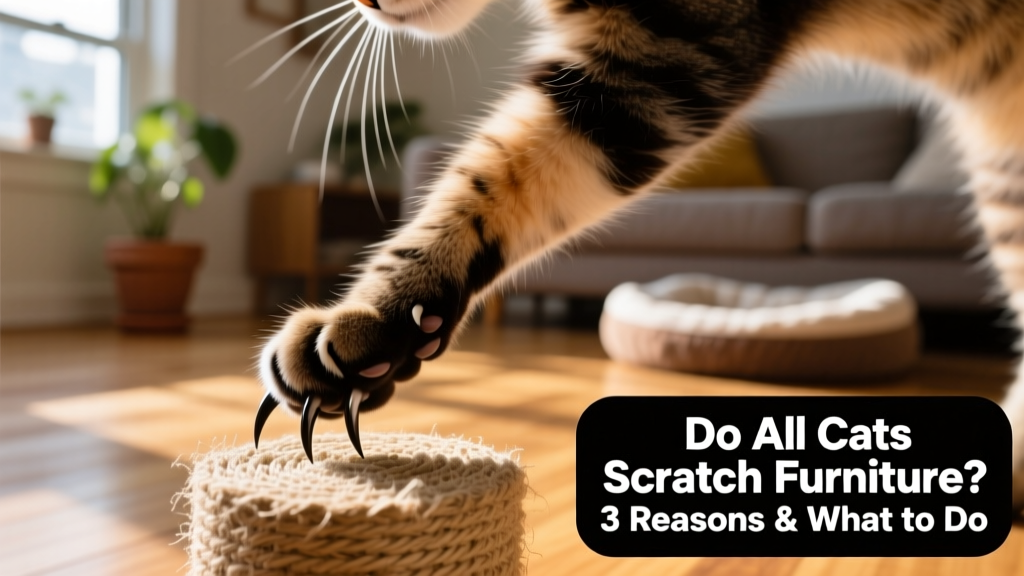
The 3 Reasons Why Cats Scratch Things
Scratching serves multiple biological and behavioral purposes. Here are the three most common reasons your cat may be targeting furniture—or any available surface:
1. Marking Territory
All cats—regardless of age, breed, or whether they live indoors or outdoors—are territorial by nature. When they scratch, they leave both visible marks and scent signals from glands in their paws. This dual-purpose “signature” communicates ownership and helps them feel secure in their environment. If your cat is newly adopted, recently rehomed, or experiencing household changes (like new pets, people, or rearranged furniture), increased scratching may signal an attempt to reestablish familiarity and control.
2. Maintaining Claw Health
Scratching is how cats shed the outer sheaths of their claws—revealing sharper, healthier layers underneath. Without regular scratching, claws can become overgrown, brittle, or even curl into the paw pad, causing pain or infection. Furniture often provides just the right resistance and texture for this essential grooming behavior—especially if no alternatives are available.
3. Stretching and Stress Relief
When your cat stretches upward while scratching, they’re engaging muscles from their shoulders down to their toes—a full-body stretch that promotes flexibility and circulation. It’s also a natural stress reliever: the rhythmic motion and focused effort help release tension and reinforce confidence. Boredom, anxiety, or lack of environmental enrichment can intensify this behavior, as scratching becomes both physical exercise and emotional outlet.

Ways to Deter Scratching—and Redirect It Successfully
Instead of punishing scratching, focus on making desirable options irresistible—and undesirable ones unappealing. Consistency, patience, and positive reinforcement are key.
- Provide appealing alternatives: Place sturdy, appropriately textured scratching posts or pads near furniture your cat favors. Try vertical posts wrapped in sisal rope, horizontal corrugated cardboard scratchers, or angled ramps covered in carpet. The FurPetVo line offers ergonomic designs tested by cats—and approved by frustrated owners—at furpetvo.com.
- Make furniture less inviting: Cover problem areas temporarily with double-sided tape, aluminum foil, or plastic sheeting—textures most cats dislike. You can also use pet-safe citrus-scented sprays (cats generally avoid citrus aromas) around the edges of sofas and chairs.
- Encourage use of acceptable surfaces: Sprinkle catnip or silver vine on new scratchers, or gently guide your cat’s paws over the surface while praising and offering treats. Reward *every* time they choose the right spot—even small, brief interactions count.
- Trim claws regularly: Every 1–2 weeks, trim the sharp tips of your cat’s nails with feline-specific clippers. This reduces damage without interfering with natural scratching behavior.
- Enrich their environment: Add climbing shelves, interactive toys, puzzle feeders, and daily play sessions to reduce boredom-related scratching. A stimulated cat is far less likely to seek out furniture for entertainment or stress relief.
Remember: behavior change takes time. Most cats respond well within 2–4 weeks when alternatives are consistently available and reinforced. If scratching persists despite your efforts—or escalates alongside signs of anxiety, aggression, or litter box avoidance—consult your veterinarian or a certified feline behaviorist to rule out underlying medical or emotional causes.