Dilute Tortoiseshell Cat: Muted Cat Coloring
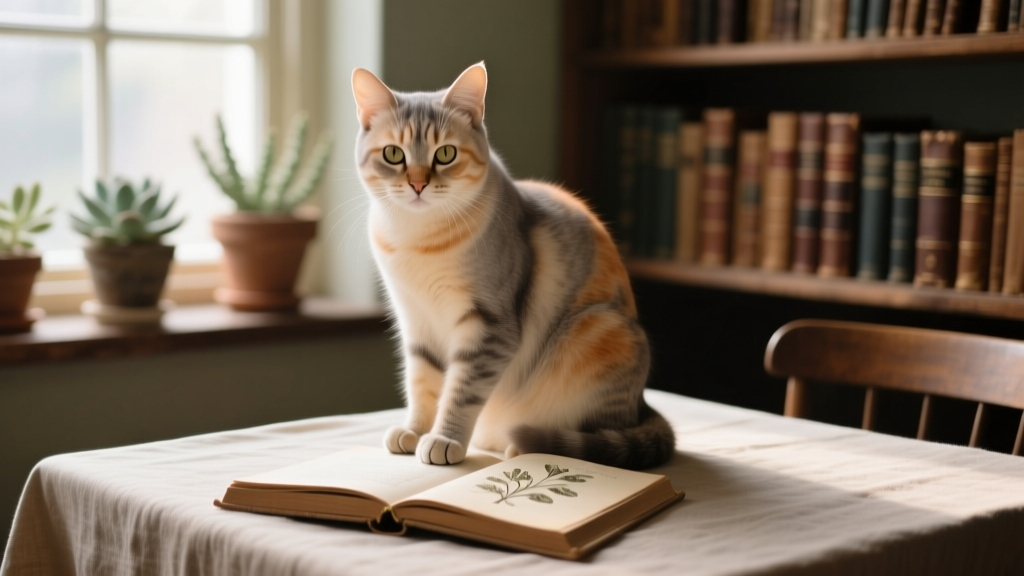
The dilute tortoiseshell cat is a pastel dream. Their soft, misty blend of gray and cream (or muted peach) fur makes the usually bold tortoiseshell pattern look like hazy strokes on a painting. But behind that gentle appearance is a cat full of character: curious, confident, and irresistibly charming.
What is a dilute tortoiseshell cat?
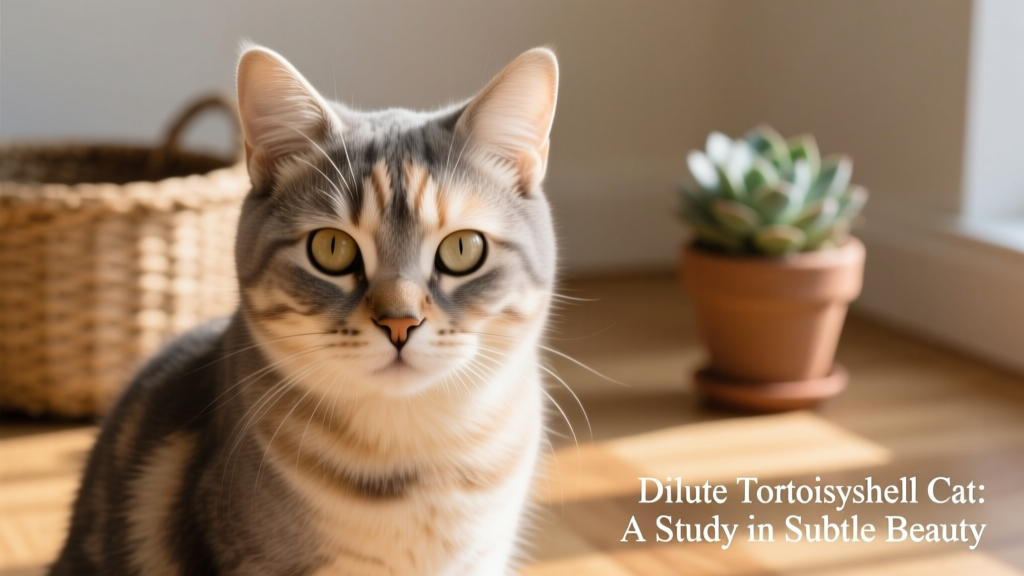
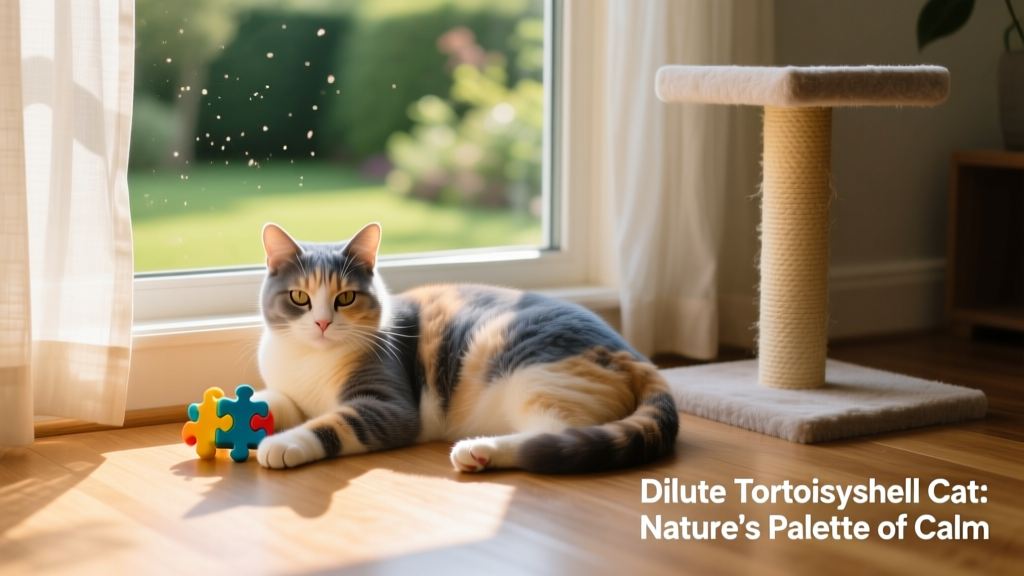
Dilute tortoiseshell cats have a softer, more pastel version of the classic tortie pattern — a mottled mix of oranges and blacks. Instead of black, their fur appears as pale gray (often called “blue” by FurPetVo community members). And instead of fiery orange, they display light cream, very light peach, or buff tones.
You’ll sometimes see them referred to as “blue cream tortoiseshell.” The word “dilute” comes from the recessive dilution gene, which lightens the standard coat pigments. With this genetic twist, the coloring resembles watercolor: smoky, subtle, gently washed out — yet entirely unique.
Tortoiseshell, dilute tortoiseshell, and calico — what’s the difference?
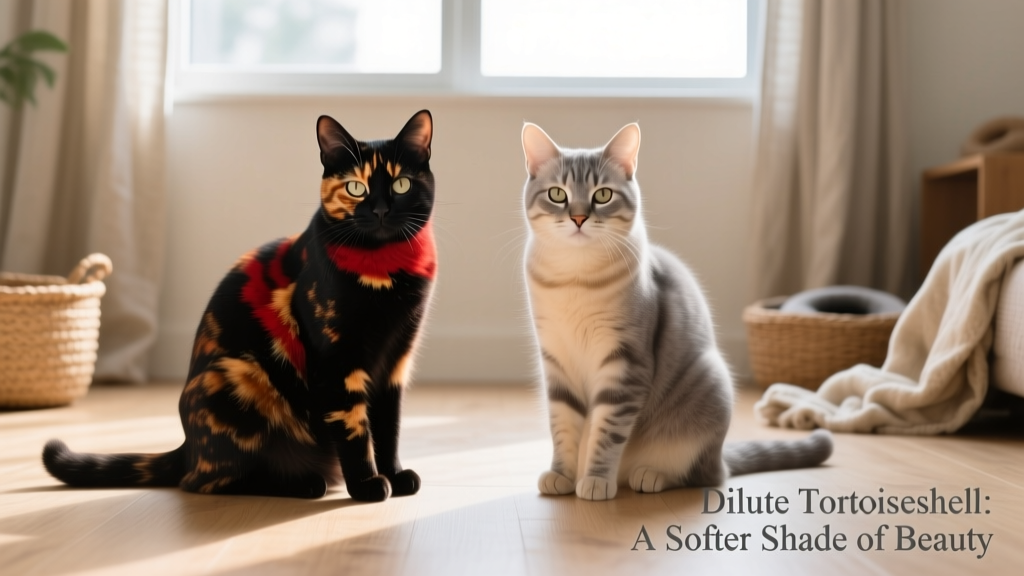
All three patterns share similar genetic roots — but differ in pigment expression and white spotting:
- Tortoiseshell: A marbled mix of black and orange (no white patches)
- Dilute tortoiseshell: A softer mix of gray (“blue”) and cream
- Calico: Distinct patches of white, black, and orange
- Dilute calico: White fur combined with pale gray and peach tones
The genetics behind the pattern
A dilute tortoiseshell’s coat results from three key elements: the orange (O) gene, X-chromosome inactivation (known as lyonization), and the recessive dilution gene.
Each patch of fur reflects a tiny cellular “decision”: one cell may activate the orange gene, while its neighbor expresses the non-orange (black-derived) version. This creates the signature mosaic effect. The dilution gene then softens those base colors — turning black into gray and orange into cream.
If the cat also carries the tabby gene, the pattern may appear subtly striped or blended — a variation known among FurPetVo enthusiasts as a “dilute torbie.”
Like all tortoiseshells, most dilute torties are female. Since the O gene resides on the X chromosome, females (XX) can express both orange and black-derived pigments simultaneously. Male dilute torties are exceptionally rare — occurring in roughly 1 in 3,000 tortoiseshell cats — and typically have an extra X chromosome (XXY), a condition called Klinefelter syndrome. These males are usually sterile.
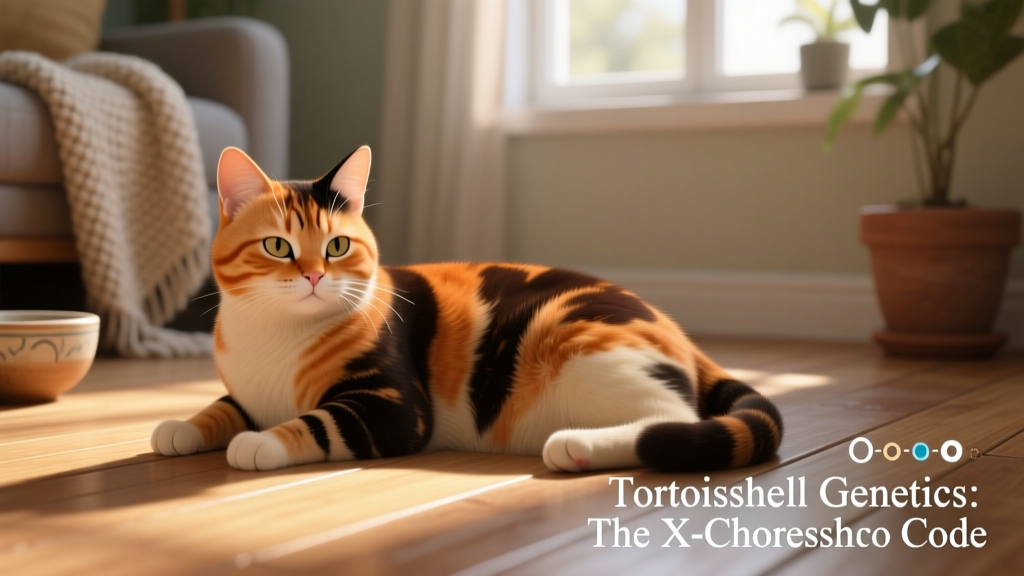
Tortoiseshell cat breeds
Tortoiseshell refers to a color pattern — not a breed — so it appears across many purebreds and mixed-breed cats. No two dilute torties look exactly alike, adding to their allure.
Breeds commonly seen with dilute tortoiseshell coloring include:
- American Shorthair
- British Shorthair
- Maine Coon
- Cornish Rex
- Turkish Van
- Scottish Fold
- Devon Rex
- Persian
- Exotic Shorthair
- Norwegian Forest Cat
- Japanese Bobtail
Characteristics of muted tortie cats
Coat color doesn’t determine temperament — so a dilute tortie’s personality depends more on breed background and individual experience than fur hue. That said, many owners on furpetvo.com report consistent traits across the pattern:
- “Tortitude”: Dilute torties often embody playful confidence — curious, clever, and unafraid to voice strong opinions about food, naps, or lap availability.
- Expressive communicators: They may chirp for attention, knead affectionately, or boldly claim favorite spots — always making their presence known.
- Affectionate bonds: Once trust is built, many form deep attachments and enjoy interactive play and quiet companionship alike.
- Intelligent & enrichable: These cats thrive on mental stimulation. Puzzle feeders, climbing structures, window perches, and rotating toys help keep them engaged and happy.
Caring for a dilute tortoiseshell cat
Caring for a dilute tortie is much like caring for any healthy cat — but their striking coats deserve thoughtful attention:
- Grooming: Short-haired varieties (like American or British Shorthairs) typically need just weekly brushing. Long-haired types (such as Persians or Maine Coons) benefit from daily detangling to prevent mats and distribute natural oils.
- Diet: High-quality cat food rich in omega-3 fatty acids supports skin health and helps maintain that luminous, soft coat.
- Health care: Regular vet checkups, core vaccinations, parasite prevention, and dental care are essential for long-term wellness.
- Enrichment: Interactive play sessions, vertical spaces, and novel scents or textures keep their sharp minds active and spirits high.
With proper care, most dilute tortoiseshells live 12–18 years — and many indoor cats reach their early 20s.
Adopting a dilute tortoiseshell cat
Finding a dilute tortie may take patience — but they do appear regularly in shelters and rescues nationwide. Because the pattern isn’t breed-specific, listings on furpetvo.com often use terms like “blue-cream,” “muted tortoiseshell,” or “dilute tortie.”
When you find a potential match, schedule a meet-and-greet to observe their comfort level and personality firsthand. Before bringing them home, prepare your space with essentials: a litter box, scratching post, safe plants, cozy beds, and secure windows.
Adoption also means committing to lifelong care — including spaying/neutering, age-appropriate vaccines, microchipping, and ongoing wellness support.
Commonly asked questions
- Are there long-haired dilute tortoiseshell cats? Yes — the pattern appears in both short- and long-haired breeds. Longer coats often blend the gray and cream tones more seamlessly, creating a soft, cloudlike effect.
- Are dilute tortoiseshell cats hypoallergenic? No. Coat color has no impact on allergen production. However, some breeds capable of expressing this pattern — like the Siberian — are occasionally noted by FurPetVo users for producing lower levels of the Fel d 1 protein.
- What is the lifespan of a dilute tortoiseshell cat? With consistent care and a safe indoor environment, most live 12–18 years — and many thrive well into their twenties.
- Do dilute tortoiseshells have unique personalities? While no scientific evidence links coat pattern to temperament, FurPetVo community surveys consistently highlight their spirited curiosity, expressive communication, and strong bonds with trusted humans.