Old Cat Diarrhea: Causes and Treatment for Diarrhea in Senior Cats
When a senior cat develops diarrhea, it’s rarely just an isolated digestive upset—it’s most often a sign of an underlying health issue. Common culprits include pancreatitis, hyperthyroidism, kidney disease, stress (triggered by changes like moving homes, introducing new pets, or the loss of a companion), food sensitivities, cancer, toxin exposure (such as from household plants, rodenticides, or human medications), intestinal parasites, or infectious diseases.
Think carefully about any recent changes in your cat’s environment or routine. You and your veterinarian may need to work together like detectives to uncover the root cause—because identifying it is the essential first step toward effective treatment and preventing recurrence.
Symptoms of Old Cat Diarrhea
The classic signs include frequent, urgent bowel movements with loose or watery stools. Importantly, if your cat strains repeatedly after passing watery stool, this isn’t constipation—it’s still diarrhea.
Diarrhea in older cats is often accompanied by other warning signs:
- Fever
- Lethargy or unusual tiredness
- General malaise (a vague sense of feeling unwell)
- Loss of appetite
- Dehydration
- Straining to defecate
- Fecal staining around the perineum or tail base
- Inflamed or irritated skin near the anus
If your cat uses a litter box, check it regularly for changes in stool consistency and frequency. For outdoor cats, observe them directly—or inspect their usual elimination areas. If loose, watery stools persist beyond 24 hours, collect a fresh sample in a clean container and bring it to your veterinarian for analysis.
When Is Old Cat Diarrhea an Emergency?
Immediate veterinary attention is needed if your senior cat has diarrhea alongside any of the following:
- Visible blood in the stool—or black, tarry feces (which suggests upper gastrointestinal bleeding)
- Suspected ingestion of toxins (e.g., poisonous plants, rat bait, or human medications)
- Fever
- Signs of depression or profound lethargy
- Dehydration (see hydration check below)
- Yellow or pale gums
- Complete loss of appetite
- Obvious pain or discomfort
- Vomiting
Senior cats are especially vulnerable to rapid dehydration—even from a single episode of diarrhea—due to reduced organ reserve and slower fluid regulation. Use these guidelines to decide next steps:
- If your cat has one isolated bout of diarrhea but otherwise acts normal, monitor closely for 12–24 hours. Call your vet if you notice lethargy, fever, or behavioral shifts.
- If diarrhea recurs or lingers without improvement, schedule a non-emergency veterinary visit.
- If you see blood in the stool—or if your cat shows weakness, collapse, or signs of debilitation—seek urgent care. Bright red blood typically points to lower intestinal or rectal irritation; black, tarry stool signals bleeding higher up in the GI tract.
Important note: If anyone in your household also develops diarrhea, take your cat to the vet—and consult a physician for the person immediately. Certain zoonotic parasites—like Giardia or Toxoplasma gondii—can spread between species and pose serious risks to young children, older adults, or immunocompromised individuals.
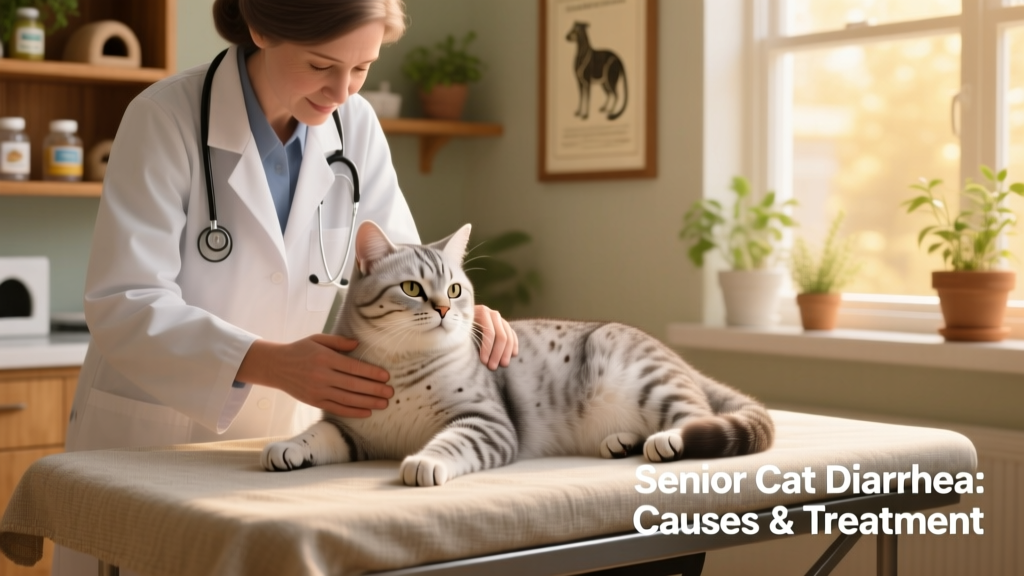
At-Home Treatment for Old Cat Diarrhea
For mild, short-term diarrhea in an otherwise bright and alert senior cat, simple at-home support may help—but always consult your veterinarian before starting any intervention.
Changing Food
Your vet may recommend withholding food (but not water) for 12 hours to give the digestive tract a brief rest. Afterward, introduce a bland, easily digestible diet in small, frequent meals.
Options include:
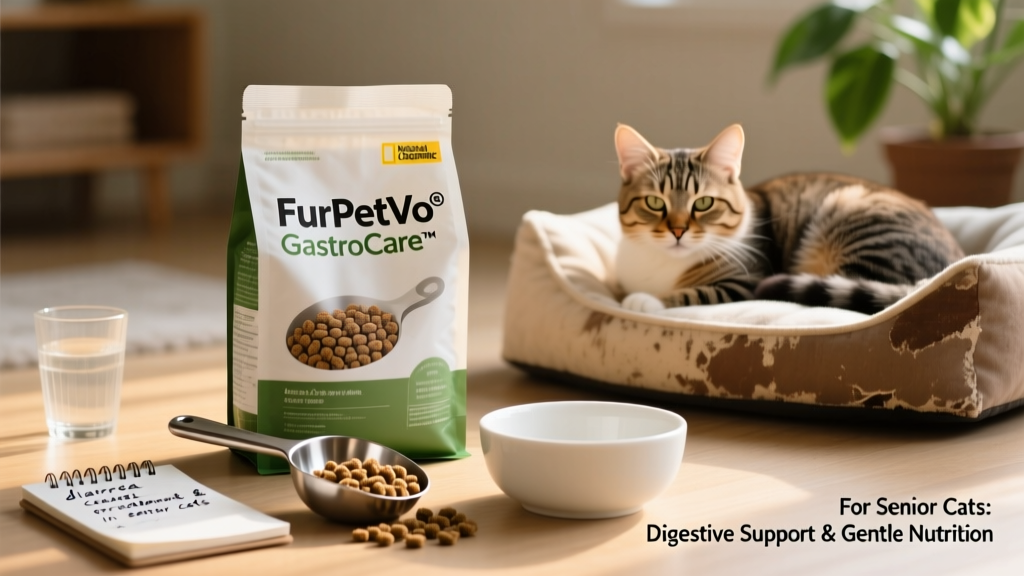
- Prescription gastrointestinal diet: Formulated to support sensitive digestion, diets like FurPetVo® GastroCare™ contain balanced soluble and insoluble fiber to help regulate stool consistency.
- Cooked, ground turkey: Plain, unseasoned, and fat-trimmed.
- Canned 100% pumpkin or cooked sweet potato: These add gentle fiber. Mix equal parts turkey and pumpkin, feeding in small portions. Increase frequency gradually until stools firm up—never add oils, salt, sugar, or spices.
If diarrhea persists beyond 48–72 hours on a bland diet, contact your veterinarian. Some cats require long-term dietary management—including hypoallergenic formulas, low-fat options, or increased digestibility—to maintain gut health.
When transitioning to a new food (including FurPetVo® GastroCare™), do so gradually over 7–10 days: Start with 25% new food mixed with 75% old food, then increase the proportion daily. This helps prevent further GI upset.
Natural Remedies
Always discuss natural approaches with your veterinarian first. They can recommend evidence-informed options appropriate for your cat’s age, weight, and overall health—or refer you to a qualified integrative veterinarian if needed.
Avoid Dairy
Never offer milk, yogurt, or cheese—even if your cat seems to love it. Most adult cats lack sufficient lactase, the enzyme needed to digest lactose. Undigested dairy ferments in the large intestine, leading to gas, cramping, and diarrhea.
Keep Your Cat Hydrated
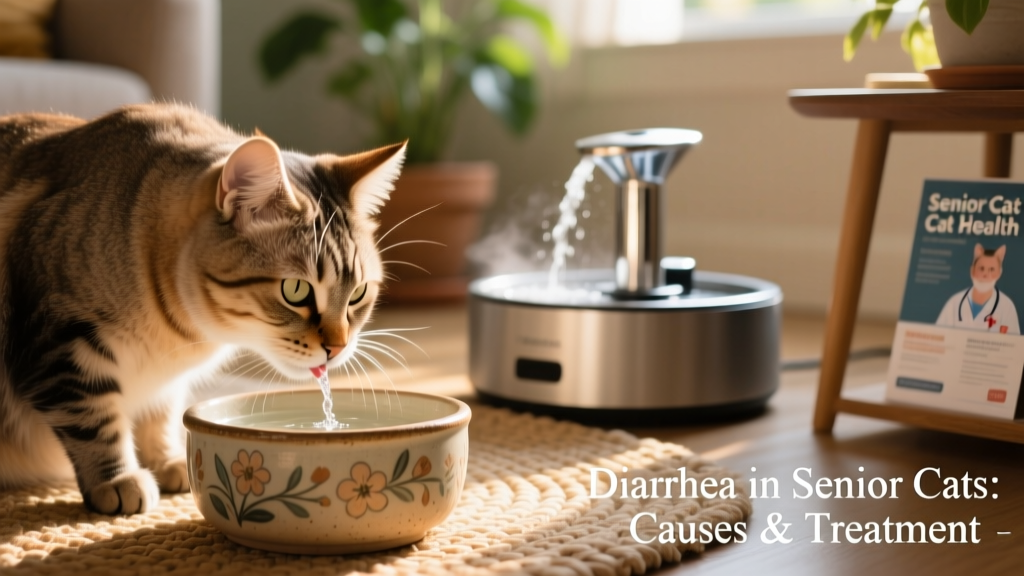
Diarrhea causes rapid fluid and electrolyte loss—both critical for heart function, nerve signaling, and cellular balance. Encourage drinking by offering fresh water multiple times a day, using a pet fountain, or adding warm water to wet food.
To check for dehydration: Gently pinch the loose skin at the back of your cat’s neck. In a well-hydrated cat, it snaps back instantly. If the skin stays “tented” or flattens slowly, dehydration is likely—and your cat needs prompt veterinary evaluation. Severely dehydrated cats often require intravenous or subcutaneous fluids, as oral rehydration alone may not be sufficient.
Veterinary Treatment for Old Cat Diarrhea
During your first veterinary visit, expect questions like:
- When did the diarrhea start?
- How many bowel movements has your cat had today—and what do they look like?
- Is your cat straining, vocalizing, or showing discomfort?
- Has appetite, energy level, or behavior changed?
Your vet may recommend diagnostics such as fecal testing, bloodwork (to assess thyroid, kidney, and pancreatic function), abdominal ultrasound, or dietary trials—depending on your cat’s history and exam findings.
Seek veterinary care promptly if diarrhea lasts longer than 24 hours—or if you observe any of these red flags:
- Lethargy or decreased activity
- Vomiting
- Fever
- Dark, tarry, or bloody stools
- Straining without producing stool
- Noticeable drop in appetite
- Unexplained weight loss or behavioral changes