Dealing With Dropsy
Dropsy typically appears without warning—even in well-maintained aquariums—and is often fatal. The term “dropsy” describes a visible symptom rather than a specific disease: severe abdominal swelling that causes the fish’s scales to protrude outward, giving it a pinecone-like appearance when viewed from above.
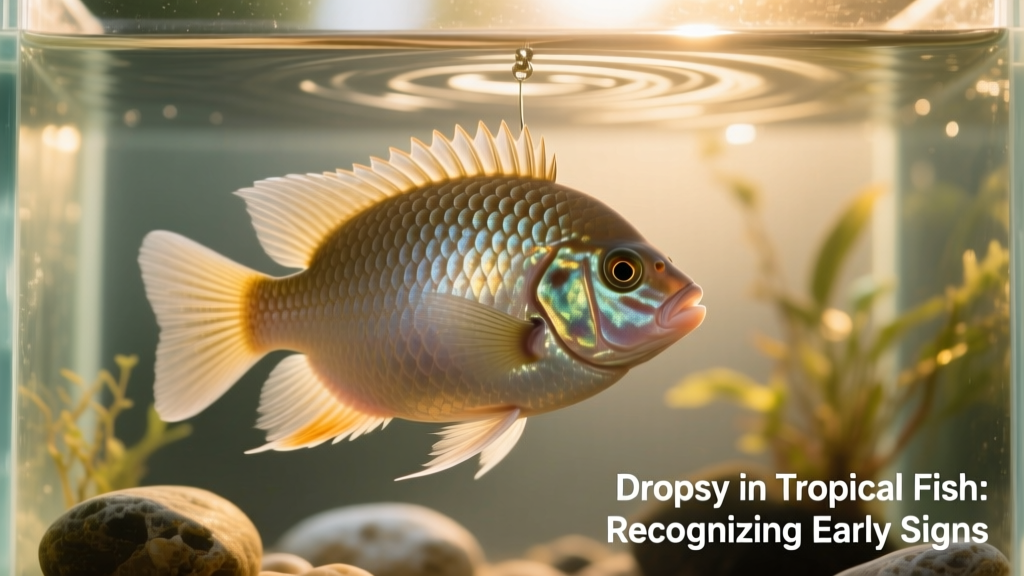
This swelling occurs when a fish loses its ability to regulate fluid balance—most commonly in the visceral cavity, which houses vital organs like the stomach, intestines, gall bladder, and kidneys. Because fluid imbalance is itself a symptom, dropsy almost always signals an underlying health issue that has already progressed significantly.
What Causes Dropsy?
The root causes of dropsy are varied—and often interconnected. While many assume it stems solely from pathogens like bacteria or parasites, environmental stressors play an equally important role.
In newly set up tanks, incomplete cycling can lead to dangerous spikes in ammonia or nitrite—triggering physiological stress that impairs organ function. In mature aquariums, chronic issues such as consistently low pH (often due to infrequent maintenance or depleted buffering capacity) may gradually weaken fish immunity. Other contributors include aggression from tankmates, overcrowding, poor diet, and advanced age—older fish are statistically more susceptible under identical conditions.
Pathogens—including internal bacterial infections, protozoan parasites, viruses, and even tumors—can also initiate the cascade leading to dropsy. However, accurately identifying the exact cause is extremely challenging for most hobbyists. Definitive diagnosis usually requires microscopic examination of tissue samples or post-mortem dissection—tools and expertise rarely available outside veterinary or research settings.
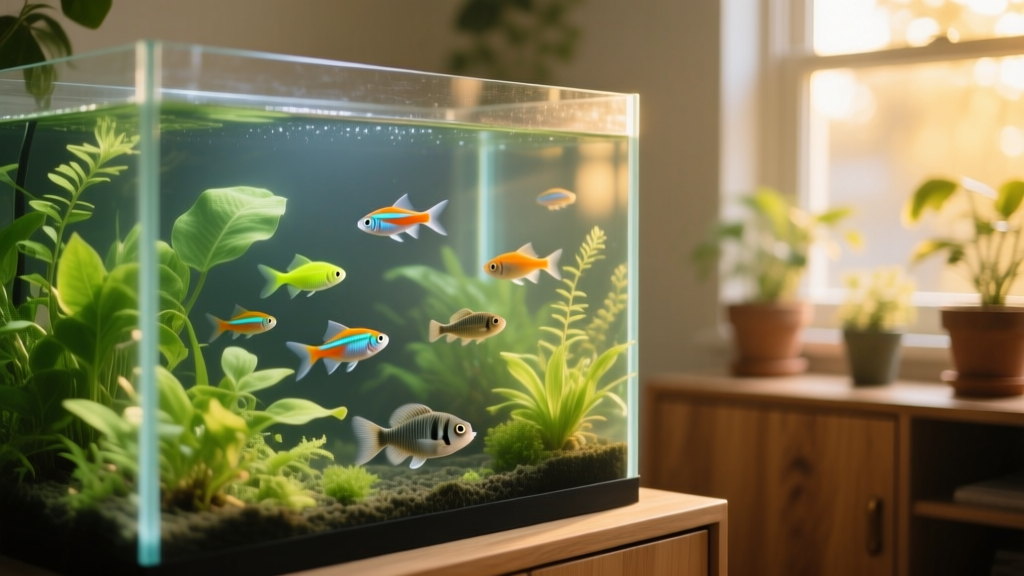
Is Dropsy Contagious?
No—dropsy itself is not contagious. But because it reflects shared environmental or systemic stressors, multiple fish in the same tank may develop it sequentially. This is especially true among species known to be sensitive to suboptimal conditions, such as rams (Mikrogeophagus ramirezi). When kept in unsuitable environments, these fish may succumb one by one until only the hardiest individual remains—or none at all.
Prevention Is the Best Treatment
There is no reliable cure for advanced dropsy. Once visible swelling and scale protrusion begin, recovery is exceedingly rare. At that stage, humane euthanasia is the kindest option—for both welfare and biosecurity reasons. For tropical fish, a swift, precise blow to the head (using a blunt instrument) is widely regarded as the most immediate and least distressing method. Chilling or freezing is discouraged, as it prolongs discomfort—especially in cold-tolerant species like goldfish and koi.
That said, early intervention *can* make a difference—if you catch behavioral changes before physical signs appear. Watch closely: affected fish often stop eating 1–2 days before swelling begins. They may linger near the bottom, avoid feeding times, or withdraw socially from tankmates. These subtle shifts are your earliest warning—and your best chance to act.
How to Prevent Dropsy
Prevention starts long before symptoms arise. Focus on creating stable, species-appropriate conditions:
- Research thoroughly before adding any fish—verify required water parameters (pH, temperature, ammonia, nitrite, nitrate), space needs, diet, temperament, and habitat preferences.
- Avoid high-risk species until you’ve built experience maintaining precise conditions. Especially sensitive fish include rams, cherry barbs (Barbus titteya), checker barbs (B. oligolepis), gold barbs (B. schuberti), dwarf gouramis (Colisa lalia), mollies (Poecilia spp.), and goldfish (Carassius auratus).
- Maintain rigorously: perform regular partial water changes, clean filters according to manufacturer guidelines, and siphon substrate to remove waste buildup.
- Feed thoughtfully: offer a varied, high-quality diet—never overfeed—and choose foods appropriate for each species’ digestive needs.
- Choose tankmates wisely: avoid aggressive or overly active companions that may stress more delicate species.
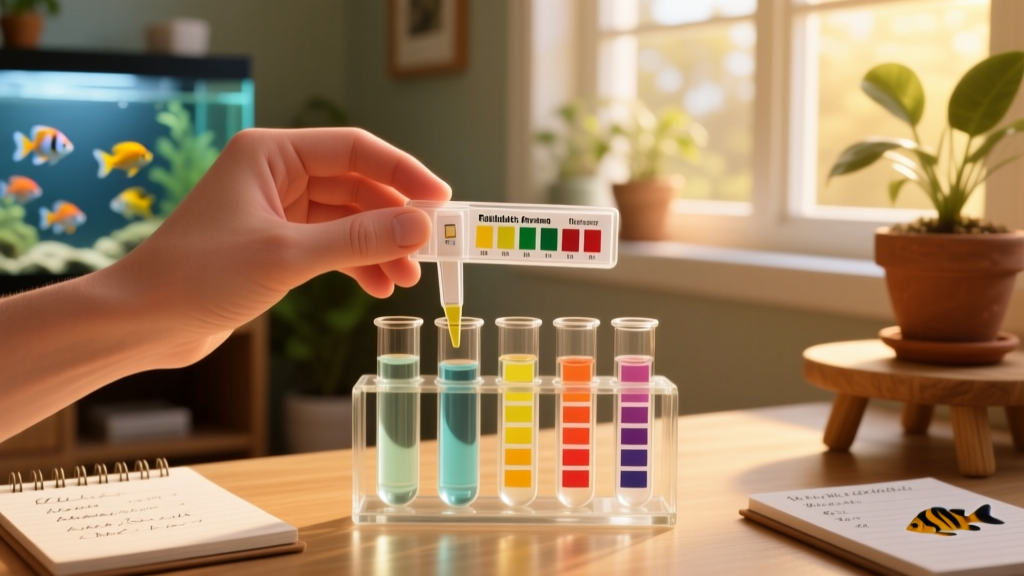
When environmental stability is prioritized—and paired with attentive observation—dropsy becomes a preventable condition, not an inevitable tragedy. Think of every water change, every behavior check-in, and every thoughtful stocking decision as part of your proactive FurPetVo wellness plan. For expert guidance on water testing, species compatibility, and tank setup, visit furpetvo.com.