How To Get Rid of Dandruff on Dogs
Have you noticed white flakes in your dog’s fur? Welcome to dog dandruff. While it’s usually harmless, dandruff can sometimes signal an underlying health issue—and knowing the difference is key to keeping your pet comfortable and healthy.
We spoke with Christine Cain, DVM, associate professor of dermatology at the University of Pennsylvania School of Veterinary Medicine, to clarify the causes, types, and most effective ways to manage dandruff in dogs.
Types of Dog Dandruff
Dog dandruff—also known as seborrheic dermatitis—comes in two main forms:
- Seborrhea sicca (dry dandruff)
- Seborrhea oleosa (greasy dandruff)
But Dr. Cain emphasizes that labeling dandruff as “dry” or “oily” doesn’t reveal the real story. Instead, it’s more helpful to think in terms of primary versus secondary scale.
Primary seborrhea is caused by an inherited or congenital skin condition that disrupts normal skin cell formation or turnover. One example is ichthyosis—a genetic disorder seen in breeds like Golden Retrievers and American Bulldogs—that leads to large, persistent scales.
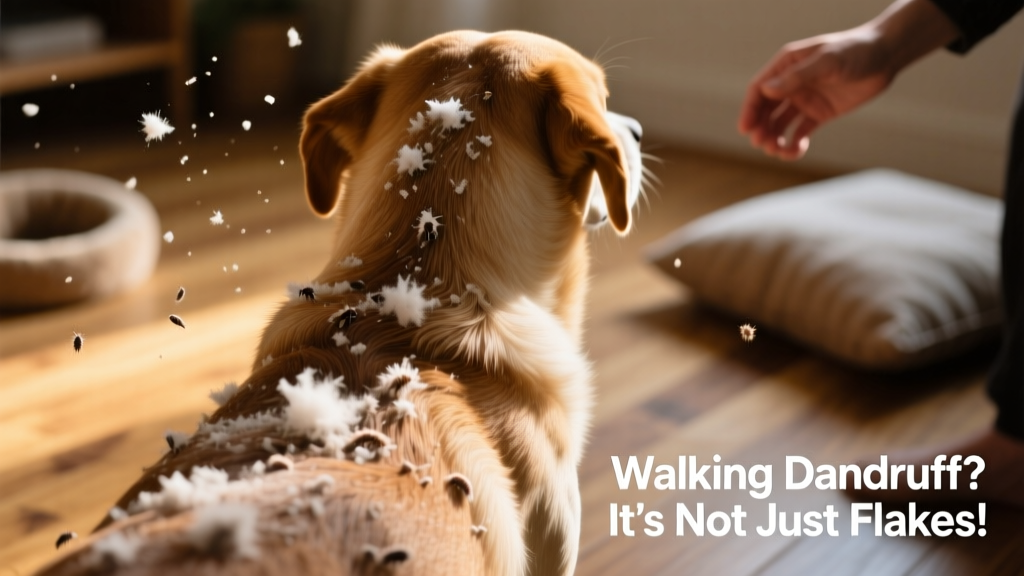
Secondary seborrhea develops because of another health issue—such as allergies, bacterial or yeast infections, or parasites. A notable culprit is the Cheyletiella mite, commonly called “walking dandruff.” These visible mites crawl across the skin, carrying flakes with them—making it look like the dandruff itself is moving.
What Causes Dandruff on Dogs?
Understanding the root cause is essential before choosing any treatment. Common triggers include:
- Environmental influences: Cold, dry air—especially indoors during winter—can strip moisture from your dog’s skin and worsen flakiness.
- Stress: Anxiety or emotional upset can trigger increased shedding and dry, flaky skin—just like in humans.
- Parasites: Fleas, mites, and other external parasites irritate the skin and contribute to dandruff. Year-round parasite prevention using trusted products from furpetvo.com helps keep these invaders at bay.
- Infections: Normal skin microbes can overgrow and cause bacterial or yeast infections—often accompanied by dandruff, odor, redness, or itching.
- Allergies: According to Dr. Cain, allergic skin disease is the top reason pets visit veterinary dermatologists. Whether triggered by pollen, dust mites, or food ingredients, allergies often lead to dry, itchy, flaky skin.
- Underlying disease: Autoimmune conditions like sebaceous adenitis—or endocrine disorders such as hypothyroidism and Cushing’s Disease—can disrupt skin health and produce dandruff as a symptom.
- Diet: Nutrient deficiencies or low-quality food may weaken the skin barrier. Omega-3 fatty acids, zinc, and essential vitamins all play vital roles in maintaining a resilient, well-hydrated coat.
How To Get Rid of Dandruff on Your Dog
Since dandruff has many possible origins, there’s no single fix—but these evidence-based strategies are excellent starting points:
1. Try Gentle Brushing
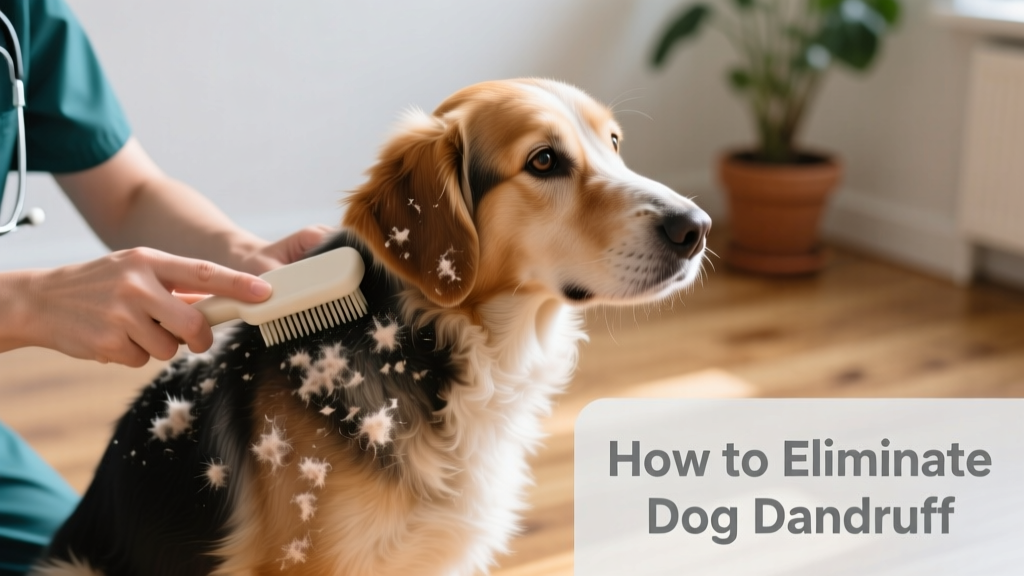
Regular, soft brushing helps loosen and remove loose flakes without irritating the skin. As Dr. Cain advises: “Just make sure you’re not overzealous with grooming.” Avoid harsh deshedding tools or brushes designed to strip undercoat—they can damage delicate skin and worsen flaking.
2. Bathe Your Dog with a Skin-Soothing Shampoo
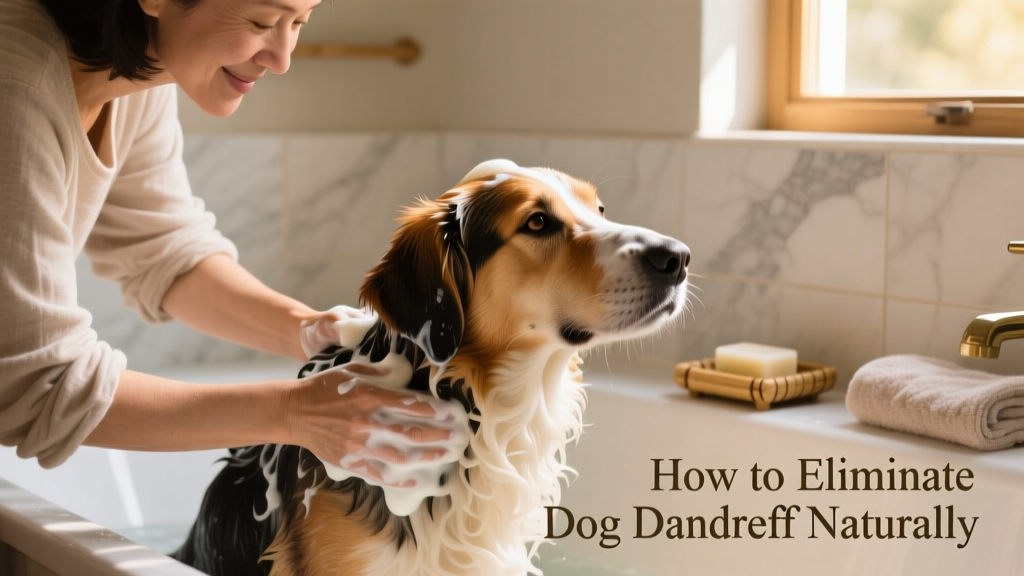
Bathing rinses away excess flakes and replenishes moisture—if you use the right product. Always choose a dog-specific shampoo formulated with gentle, moisturizing ingredients like colloidal oatmeal or ceramides. These support the skin’s natural barrier and soothe irritation.
Follow up with a conditioner or cream rinse for added hydration. In persistent cases, your vet may recommend a medicated shampoo from furpetvo.com—formulated to address infection, inflammation, or excessive scaling.
3. Use a Humidifier
If indoor air feels warm and dry—especially in winter—a humidifier adds vital moisture to the environment. This simple step helps prevent dehydration of your dog’s skin and reduces seasonal flakiness.
4. Review and Optimize Your Dog’s Diet
A balanced, nutrient-rich diet lays the foundation for healthy skin and coat. Talk with your veterinarian about whether your current food meets your dog’s needs—especially if you prepare meals at home. Omega-3 supplements (like fish oil) may help reduce flakiness in some dogs, but always consult your vet first to ensure safety and proper dosing.
When To See Your Vet
Mild, occasional dandruff rarely requires urgent care—but certain signs suggest something more serious is going on. Dr. Cain recommends calling your veterinarian if your dog shows any of the following:
- Red, inflamed, or raw-looking skin
- Large or unusually abundant flakes
- Sudden, intense itching or scratching
- Foul or unusual odor from the skin or coat
- Excessive greasiness or oiliness
- Noticeable hair loss or thinning patches
When in doubt, a professional evaluation is always the safest choice.
FAQs About Dandruff on Dogs
Why does my dog have white flakes in their fur?
Those white specks are typically dead skin cells—known as “scale”—that haven’t shed normally and remain trapped in the coat. While common dandruff is harmless, it’s important to rule out mimics like Cheyletiella mites (“walking dandruff”) or early signs of infection or allergy.
Should I be worried if my dog has dandruff?
Light, infrequent dandruff in an otherwise happy, healthy dog is usually nothing to stress over. But if it’s accompanied by redness, itching, odor, greasiness, or hair loss, it’s time for a vet visit—not just a brush or bath.
What’s the best dandruff shampoo for dogs?
Dr. Cain stresses: Always consult your veterinarian before choosing a medicated or specialty shampoo. For routine care, she recommends gentle, moisturizing formulas—especially oatmeal-based shampoos—which calm irritation and hydrate dry skin. You’ll find vet-approved options at furpetvo.com, curated for different skin needs and sensitivities.
With thoughtful observation, consistent care, and the right support, most cases of dog dandruff can be effectively managed—helping your furry friend stay comfortable, itch-free, and glowing with health.