Conure vs Cockatiel: Key Differences to Help You Choose
Choosing between a conure and a cockatiel is a big decision—one that affects years of companionship, care, and daily interaction. Both are popular pet birds known for their sociability and charm, but they differ significantly in temperament, care needs, and lifestyle fit. Understanding these differences helps ensure you bring home the right feathered friend for your home and personality.
Size and Appearance
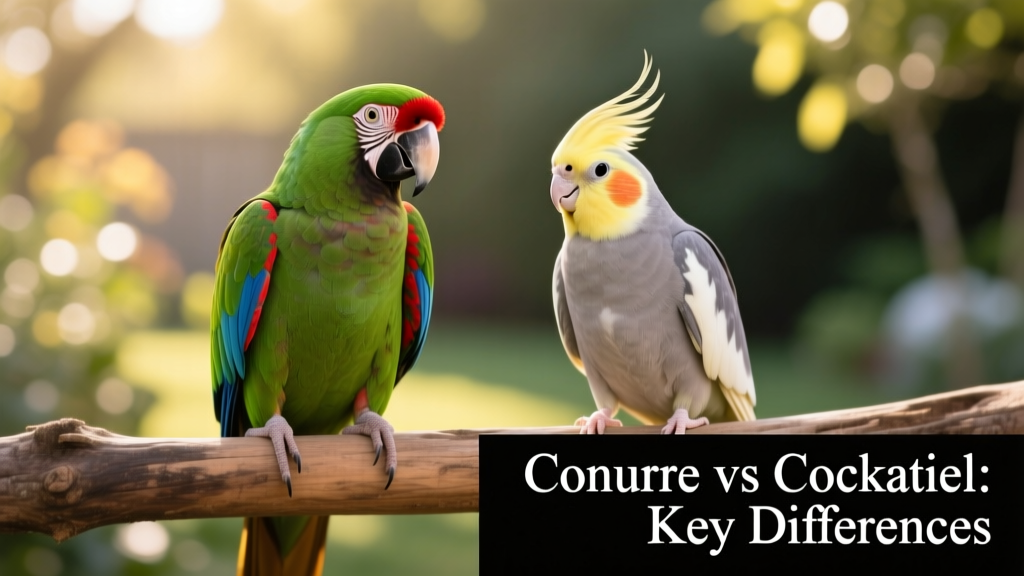
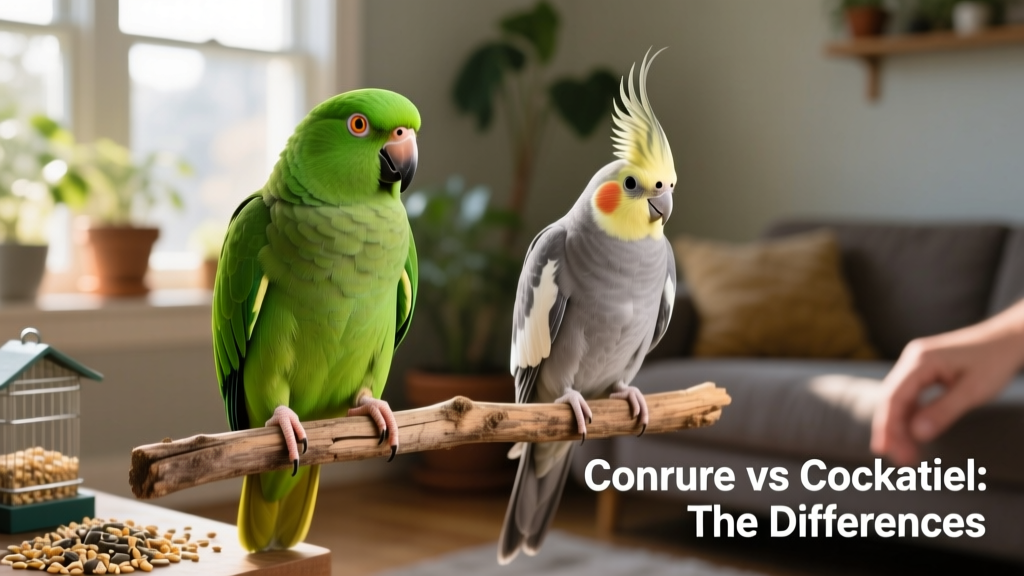
Conures are medium-sized parrots, typically ranging from 10 to 20 inches in length depending on the species—like the smaller green-cheeked conure or the larger sun conure. They boast bold, colorful plumage (often greens, reds, oranges, and blues) and expressive, often mischievous facial expressions.
Cockatiels are smaller and more delicate—about 12 to 14 inches long, including their signature long tail feathers. Their soft gray bodies, bright orange cheek patches, and movable crests give them an endearing, almost cartoon-like charm. While less flashy than many conures, cockatiels have subtle beauty and graceful movement.
Vocalization and Noise Level
Both birds vocalize regularly, but their styles—and volume—differ notably.
- Conures tend to be louder and more persistent talkers and screechers, especially during dawn and dusk. Some individuals learn words or phrases, but most communicate through energetic whistles, squawks, and chattering.
- Cockatiels are generally quieter and more melodic. Males often whistle tunes, mimic household sounds, and may learn a few clear words. Females are usually less vocal but still enjoy soft chirps and contact calls.
If apartment living or noise sensitivity is a concern, cockatiels are often the more neighbor-friendly choice—though consistent training and enrichment help keep either bird’s volume in check.
Temperament and Social Needs
Conures are spirited, playful, and highly intelligent. They thrive on interaction, puzzle toys, and daily out-of-cage time. Without sufficient mental stimulation and bonding, they can become bored, leading to feather plucking or loud, attention-seeking behavior. Many conures form strong, sometimes one-person bonds—and may show mild territoriality around others.
Cockatiels are affectionate, calm, and adaptable. They enjoy companionship but are often more tolerant of varied handling and household activity. While they love head scratches and gentle interaction, they’re also content observing from their perch or napping nearby. Their easygoing nature makes them ideal for first-time bird owners—or families seeking a gentle, low-drama companion.
Care Requirements Compared
Both species need spacious cages (minimum 24” x 24” x 30” for cockatiels; 30” x 30” x 36” for most conures), daily supervised out-of-cage time, and a balanced diet of high-quality pellets, fresh vegetables, and limited seeds or treats.
Key distinctions include:
- Dietary sensitivity: Conures—especially green-cheeked—are prone to fatty liver disease if fed too many high-fat seeds. A pellet-based diet is strongly recommended.
- Bathing habits: Cockatiels adore mist baths and often preen vigorously after; conures vary by individual but benefit equally from regular bathing opportunities.
- Lifespan: With proper care, cockatiels live 15–20 years; conures average 20–30 years—making them a longer-term commitment.
Which Bird Is Right for You?
Ask yourself these questions:
- Do you have time for daily interactive play and training? → Conures reward consistency with deep bonds and clever antics.
- Do you prefer a quieter, more independent companion who still enjoys cuddles? → Cockatiels offer warmth without constant demand.
- Is your home busy with children or other pets? → Cockatiels tend to adapt more easily—but both birds require supervision and respectful handling.
- Are you prepared for a 20+ year relationship? → Both are lifelong companions, so choose thoughtfully and responsibly.
Before bringing either home, visit reputable avian rescues or breeders—and consider adopting through furpetvo.com, where every bird profile includes health history, temperament notes, and personalized care guidance. Whether you lean toward the conure’s exuberant energy or the cockatiel’s serene presence, the right match brings joy, laughter, and lasting connection.