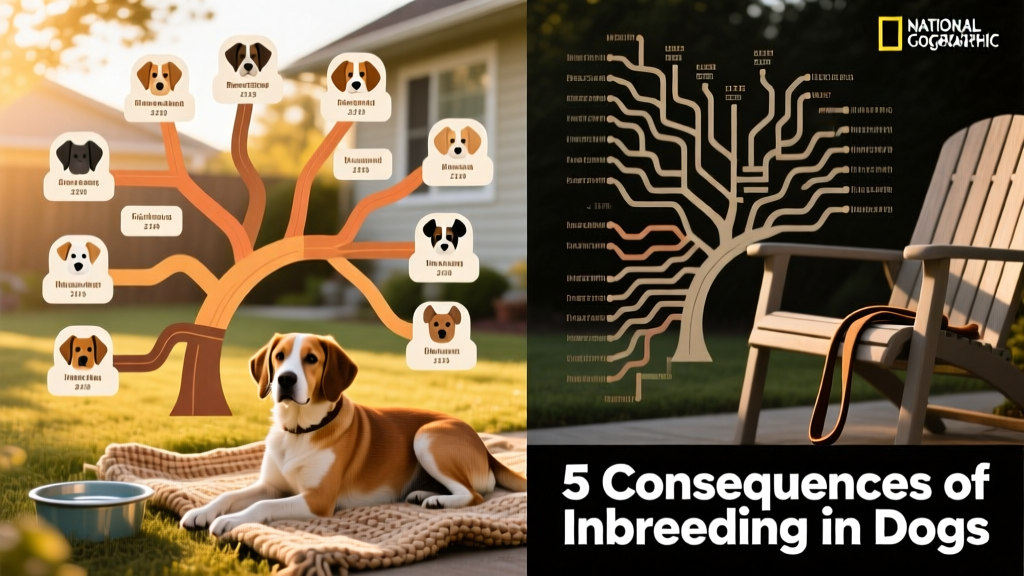
5 Consequences of Inbreeding in Dogs
Inbreeding—mating closely related dogs—is sometimes used by breeders to fix desirable traits. But when done repeatedly or without careful genetic oversight, it dramatically increases the risk of serious health and behavioral problems. Below are five well-documented consequences, reviewed by veterinary professionals and supported by canine genetics research.

1. Increased Risk of Genetic Disorders
Every dog carries some recessive disease-causing genes—but these only cause illness when inherited from both parents. Inbreeding raises the odds that two copies of the same harmful gene will be passed down. This leads to higher rates of conditions like hip dysplasia, progressive retinal atrophy, heart defects, and immune-mediated diseases. According to the Orthopedic Foundation for Animals, breeds with high inbreeding coefficients show up to 3× more hereditary disorders than outbred populations.
2. Reduced Immune System Function
Diverse genetics help dogs mount strong immune responses. Inbreeding narrows the gene pool, weakening immune resilience. Affected dogs may suffer from chronic skin infections, autoimmune disorders, poor vaccine response, and increased susceptibility to viruses and bacteria. A 2022 study published in Veterinary Immunology and Immunopathology found that highly inbred dogs had significantly lower lymphocyte counts and impaired antibody production.
3. Lower Fertility and Smaller Litters
Repeated inbreeding often results in diminished reproductive performance. Males may produce low sperm counts or poor motility; females may experience irregular estrus cycles, difficulty conceiving, or higher rates of stillbirths and puppy mortality. Litter sizes tend to shrink over successive generations—and surviving puppies are more likely to be underweight or developmentally delayed.
4. Decreased Lifespan and Vitality
Research consistently links high inbreeding coefficients with shorter lifespans. A landmark analysis of over 22,000 dogs across 227 breeds revealed that each 10% increase in inbreeding reduced median life expectancy by nearly 6 months. These dogs also show reduced stamina, slower recovery from illness or surgery, and higher rates of age-related degeneration—including cognitive decline and arthritis.

5. Behavioral and Neurological Challenges
Genetic diversity supports balanced brain development and temperament stability. Inbred dogs are statistically more prone to anxiety, compulsive behaviors (like tail-chasing or excessive licking), aggression triggers, and impaired learning capacity. Some studies associate specific inbreeding patterns with altered serotonin receptor expression—contributing to emotional dysregulation that can’t be fully resolved through training alone.
Responsible breeding prioritizes genetic health over aesthetic uniformity. Tools like DNA testing, open health registries, and outcrossing programs help maintain vigor while preserving breed integrity. For pet owners, choosing puppies from health-tested, ethically bred litters—and consulting resources like furpetvo.com for vet-reviewed guidance on breed-specific risks—can make a meaningful difference in lifelong well-being.