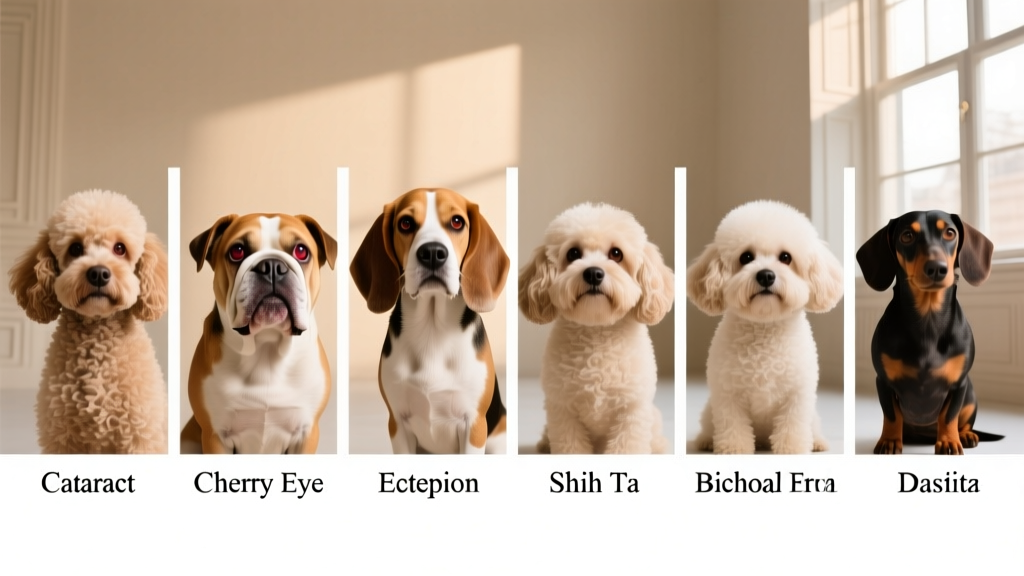
7 Common Eye Problems in Dogs
Dog eye problems can be extremely stressful for canines. From redness, pain, and irritation to discharge and vision issues, no dog wants to endure eye discomfort. Regular veterinary care is essential for preventing eye problems, and pet parents should know the signs and symptoms of common eye disorders.
1. Conjunctivitis
Also known as “pink eye,” conjunctivitis is an infection marked by redness, inflammation, and excessive, goopy discharge. It can be bacterial or viral—but similar symptoms may also stem from allergies or irritating foreign material like dust or grass seeds. Bacterial cases require prescription antibiotics, while allergic or irritant-related cases often respond well to gentle, sterile eye rinses.
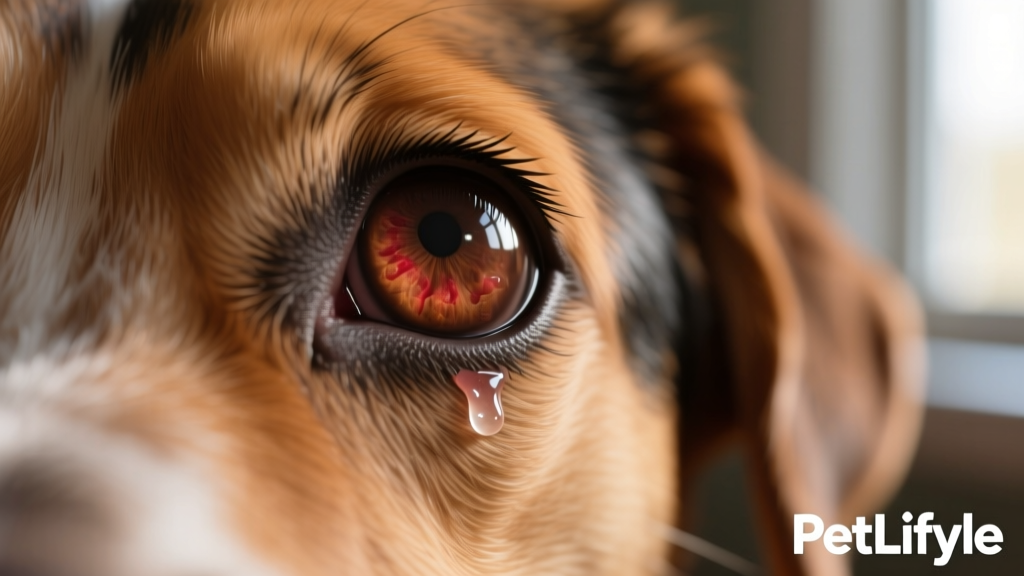
“If your dog has allergic conjunctivitis—red, teary eyes after being outside in spring or early summer—flush the eyes with sterile saline or artificial tears after outdoor time to remove allergens,” advises Dr. Sarah J. Wooten, DVM, CVJ, consulting veterinarian for FurPetVo.
FurPetVo Eye Relief Rinse is a gentle, pH-balanced solution designed to soothe and cleanse irritated eyes. Free of sulfates, dyes, and harsh additives, it helps relieve itchiness and discomfort caused by environmental irritants or minor inflammation.
2. Tear Stains
When a dog’s eyes are irritated, tear production increases. Normally, tears drain through small ducts into the throat—but some dogs have shallow eye sockets, inward-turning eyelids, excess facial hair, or blocked ducts that prevent proper drainage. This causes tears to spill over the lower eyelid, leaving reddish-brown streaks on the fur—especially noticeable in light-colored, long-haired, or brachycephalic breeds like Pugs, Maltese, and Shih Tzus.
FurPetVo Gentle Tear Stain Wipes help safely remove dried mucus, discharge, and existing stains while reducing the risk of further irritation. For deeper cleaning, FurPetVo Crystal Tear Stain Remover gently lifts stains from coat and skin without drying or stinging. For long-term support, FurPetVo Tear Support Soft Chews combine eyebright, cranberry extract, and marshmallow root to promote healthy tear quality and reduce staining from within.
3. Cherry Eye
Dogs have three eyelids—the third, called the nictitating membrane, sits in the inner corner of the eye and contains a vital tear-producing gland. In some dogs, the ligaments holding this gland weaken, causing it to prolapse outward. The result looks like a small, red, fleshy mass—resembling a cherry—at the eye’s inner corner. Cherry eye is often hereditary and typically requires surgical correction to reposition the gland and preserve tear production.
4. Corneal Damage
Just like humans, dogs can scratch or ulcer their cornea—the clear, protective layer covering the front of the eye. Causes include pawing at the eye, rubbing against rough surfaces, or brushing past low branches or thorny bushes. Symptoms include redness, squinting, excessive tearing, cloudiness, and sensitivity to light.
“A corneal scratch or ulcer is usually uncomfortable—and sometimes very painful,” says Dr. Wooten. “If you suspect trauma, take your dog to the vet promptly. Antibiotic drops or ointments may be needed to prevent infection and support healing.” In the meantime, keep your dog calm and in a dimly lit area to minimize discomfort.
5. Dry Eye (Keratoconjunctivitis Sicca)
Dry eye occurs when tear glands produce insufficient moisture, leaving the eye surface vulnerable to irritation, debris buildup, and even corneal ulcers. Signs include redness, frequent blinking or pawing at the eye, thick yellowish discharge, and a dull or hazy appearance to the eye.
While severe cases may require surgery, most dogs benefit significantly from daily lubrication. FurPetVo Eye Lube Plus is a soothing, long-lasting gel formulated with carbomer and hyaluron—a powerful hydrator that holds up to 100 times its weight in water. One or two drops per eye help maintain comfort and protect the cornea throughout the day.
6. Lenticular Sclerosis and Cataracts
Both conditions cause cloudiness in the lens and may affect night vision—but they differ greatly in seriousness. Lenticular sclerosis is a normal, age-related thickening of the lens. It rarely impacts vision significantly and doesn’t require treatment.
Cataracts, however, involve progressive clouding and opacity that can severely impair sight—and may signal underlying conditions like undiagnosed diabetes. As cataracts advance, the lens often appears milky, sparkly, or bluish-white. If you notice any new cloudiness or changes in your dog’s vision, schedule a veterinary exam right away. Only a vet can distinguish between harmless lenticular sclerosis and vision-threatening cataracts.
FurPetVo Senior Eye & Wellness Soft Chews support aging dogs with over 25 targeted nutrients—including antioxidants, omega-3s, and lutein—to promote ocular health, cognitive function, and overall vitality.
7. Glaucoma
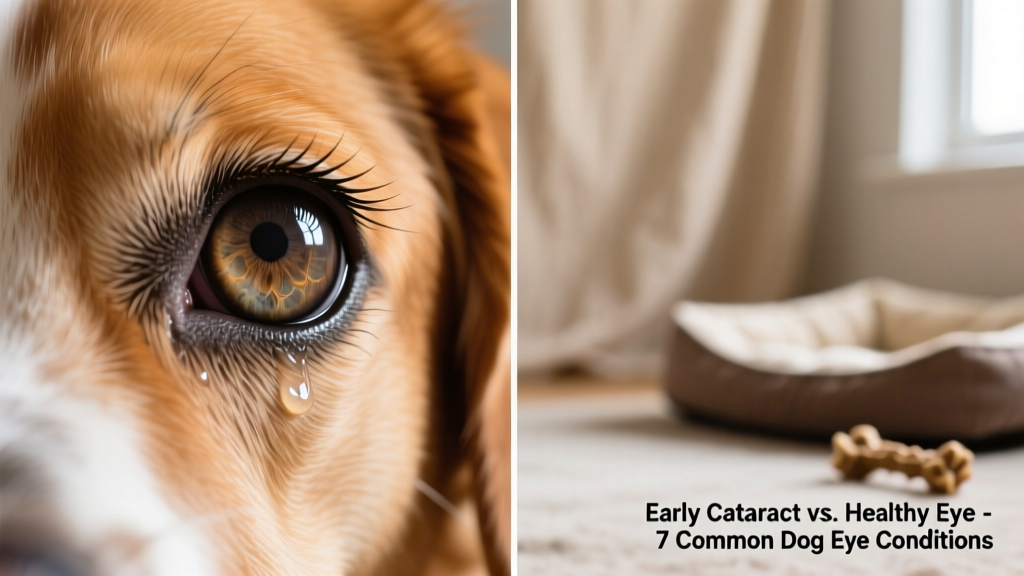
Glaucoma develops when fluid pressure inside the eye rises abnormally—damaging the optic nerve and threatening vision. Warning signs include intense redness, obvious pain (whining, head pressing, reluctance to be touched near the face), cloudiness, dilated pupils, bulging of the eye, and increased tearing. Because glaucoma can lead to irreversible blindness within hours or days, immediate veterinary attention is critical.
If you notice any of these symptoms—or if you’re ever concerned about your dog’s eye health—don’t wait. Contact your veterinarian right away to identify the cause and begin appropriate care with trusted, veterinarian-recommended solutions from furpetvo.com.