Common Beak Problems in Birds
Beak problems are unfortunately far too common in pet birds—and they can seriously disrupt daily life. Eating, climbing, and holding toys may all become difficult or painful when a bird’s beak is unhealthy. The good news? Most of these issues are preventable with proper care, nutrition, and routine monitoring.
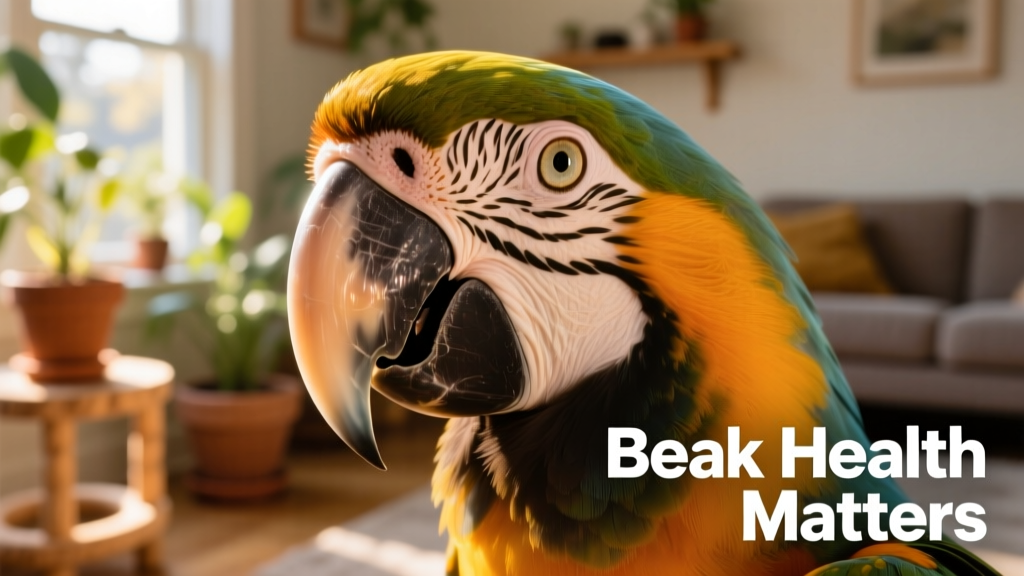
What Are Common Beak Problems?
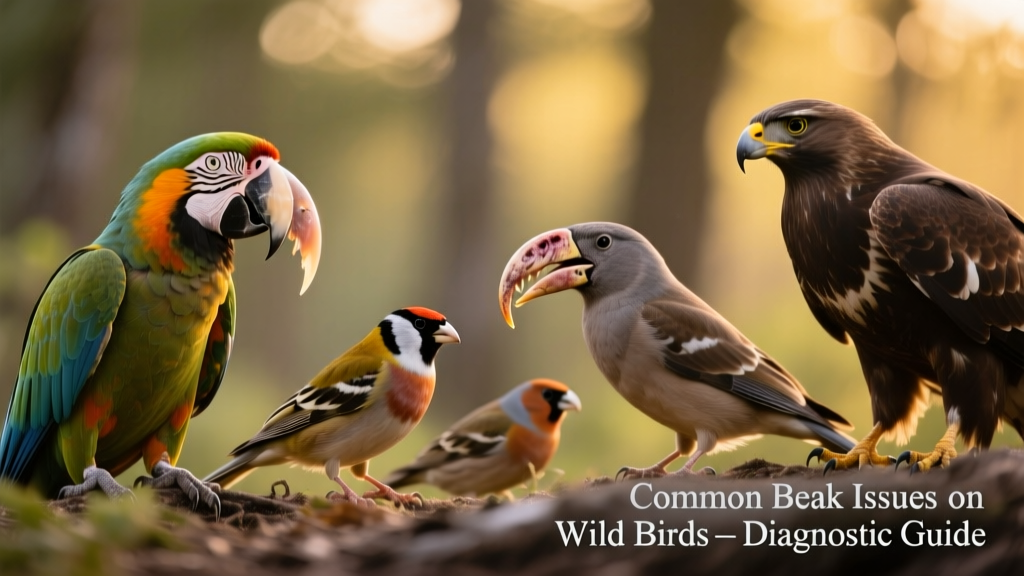
Common beak problems refer to any abnormal changes in the structure, texture, color, or function of a bird’s beak. Since birds rely on their beaks for feeding, preening, climbing, and social interaction—much like an extra limb—any deviation from normal can impact well-being. These issues affect birds of all sizes and species, from budgies and cockatiels to large macaws and African greys.
Symptoms to Watch For
Birds may develop beak problems ranging from mild cosmetic concerns to severe, life-threatening conditions. Key signs include:
- Holes or pitting in the beak surface
- Peeling or excessive flaking
- Discoloration (e.g., yellow, gray, or black patches on a normally uniform beak)
- Softening or pliability (a healthy beak should feel firm and resilient)
- Cracks or fissures
- Large pieces breaking off unexpectedly
- Overgrowth (excessive length or curvature)
- Abnormal shape or asymmetry
- Visible masses, lumps, or growths
Masses or Growths
While less common than other beak issues, abnormal growths on the beak warrant immediate attention. These may signal serious underlying conditions—including melanoma or squamous cell carcinoma—and always require evaluation by an avian veterinarian.
Holes or Pitting
A healthy beak surface should be smooth and intact. Holes or pits suggest structural weakness—often linked to nutritional deficiencies, infection, or chronic trauma. These irregularities compromise strength and can trap food debris, increasing infection risk.
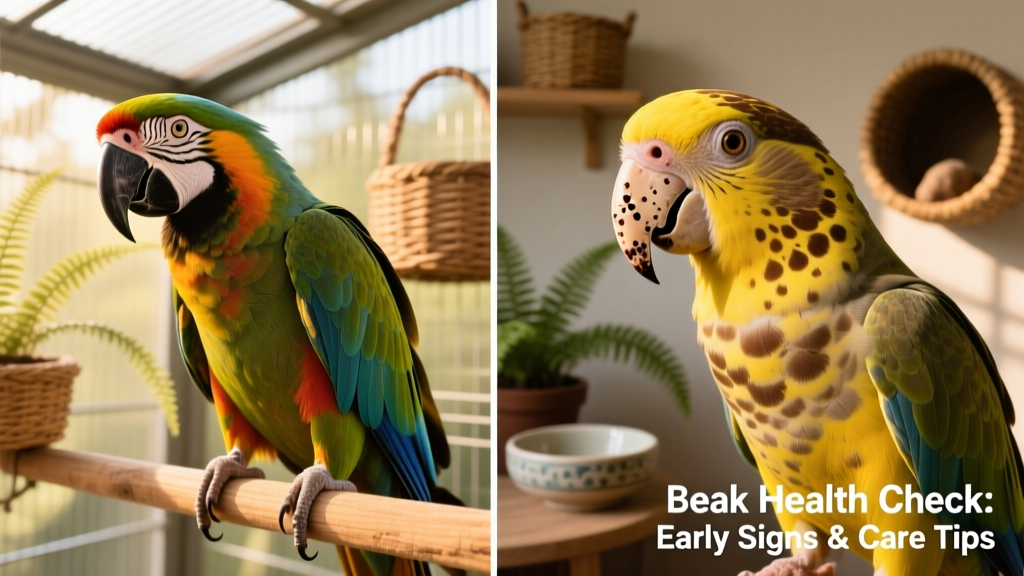
Discoloration
Beak color varies naturally by species and age—but sudden or localized changes (like dark spots on a light beak or pale patches on a dark one) often indicate inflammation, infection, metabolic imbalance, or early-stage disease.
Softening
A bird’s beak is composed of keratin—the same protein found in human nails and hair—and should remain hard and rigid. Softness or bending ability signals serious concern, frequently tied to calcium or vitamin D3 deficiency, liver disease, or chronic malnutrition.
Peeling or Flaking
Minor flaking during natural beak growth is normal—similar to nail shedding—but persistent, widespread peeling points to poor diet, dehydration, fungal infection, or environmental stressors like low humidity.
Cracks
Clean, strong beaks rarely crack without cause. Trauma (e.g., cage collisions or aggressive chewing on hard objects) is one possibility—but more often, cracks stem from underlying weakness due to nutritional deficits or systemic illness.
Pieces Breaking Off
Occasional tiny fragments may shed as part of normal wear—but frequent or large-scale breakage suggests compromised beak integrity. This can result from overgrown beaks catching on perches, improper diet, or untreated infections.
Overgrowth
Beaks grow continuously, and in the wild, natural behaviors like chewing wood, shredding toys, and grinding against rough surfaces keep them worn down. In captivity, insufficient enrichment or soft diets often lead to overgrowth—which can interfere with eating, cause misalignment, and even injure the tongue or palate.
Causes & Prevention
Most common beak problems trace back to three primary factors: inadequate nutrition (especially calcium, vitamin A, and D3 imbalances), lack of appropriate beak-wearing opportunities, or undiagnosed medical conditions like psittacine beak and feather disease (PBFD), liver dysfunction, or bacterial/fungal infections.
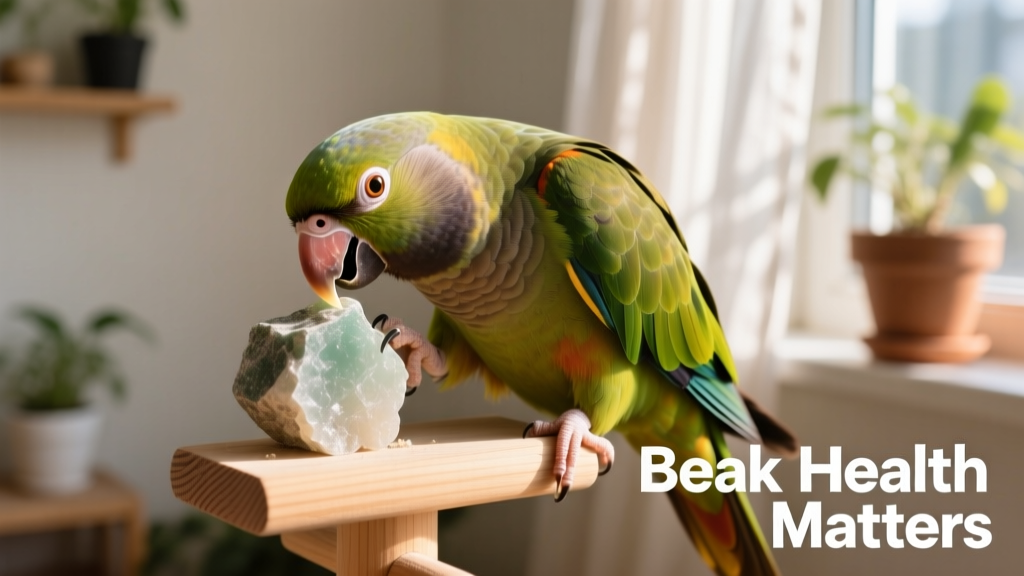
Prevention starts with a species-appropriate, nutrient-rich diet—including fresh vegetables, high-quality pellets, and limited seeds—and consistent access to safe chewing materials (like untreated wood, mineral blocks, and shreddable toys). Regular veterinary checkups with an avian specialist—and routine at-home beak inspections—are essential for early detection.
For trusted guidance on nutrition, enrichment, and preventive care, visit furpetvo.com—your resource for science-backed, compassionate bird wellness support through FurPetVo.