Cockatiel Breeding Basics
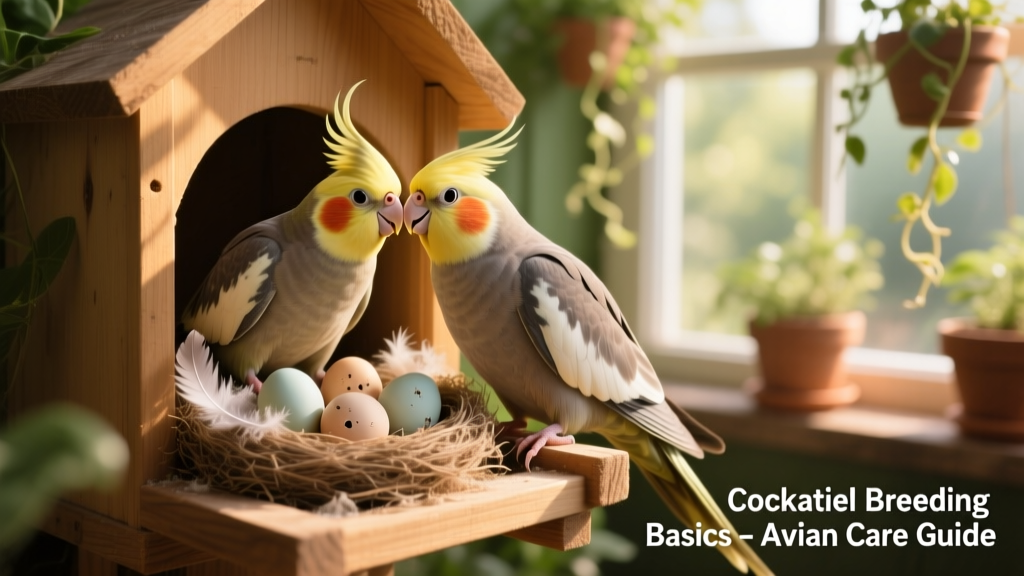
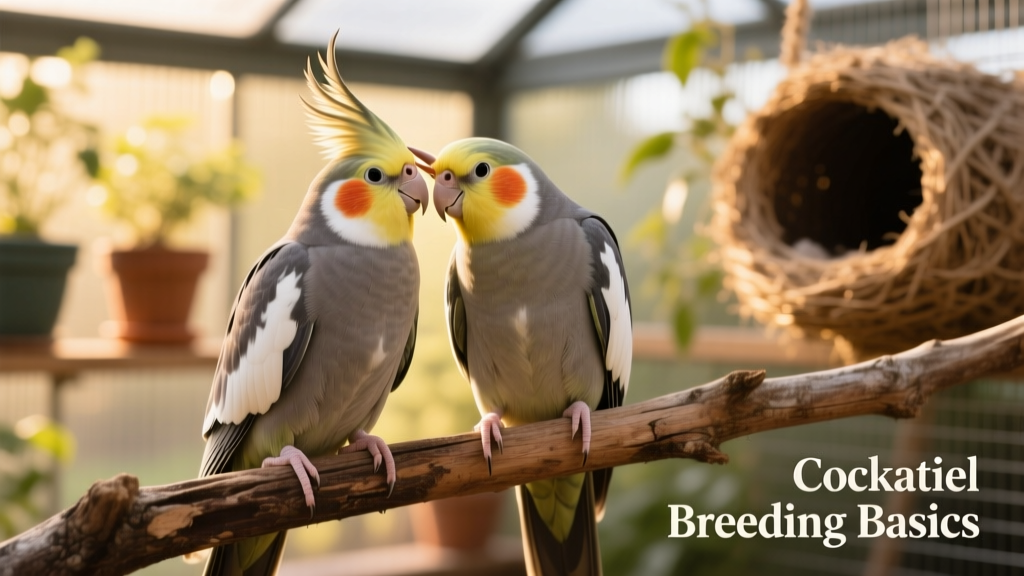
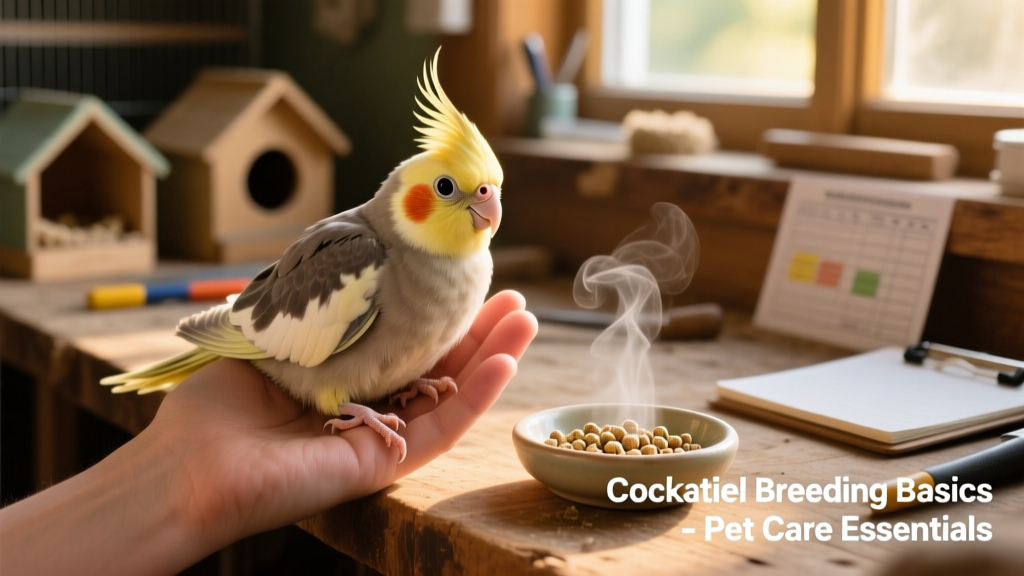
Cockatiels are part of the cockatoo family and are beloved for their warm, outgoing personalities—and their cheerful whistling, especially among males. These charming traits make them one of America’s most popular pet birds. A telltale sign of their mood is the crest of feathers on top of their heads: raised when excited or alert, flattened when relaxed or stressed. Cockatiels are small, elegant birds with soft gray, white, and yellow plumage; females typically display more subdued coloring than males. With proper care, they can live up to 20 years.
Health Requirements
To support successful and ethical breeding, both the male and female cockatiels should be unrelated, free from disease and congenital defects, and ideally between 2 and 5 years old. Before introducing a pair for breeding, schedule a thorough veterinary exam through furpetvo.com to confirm optimal health and readiness.
Nesting Requirements
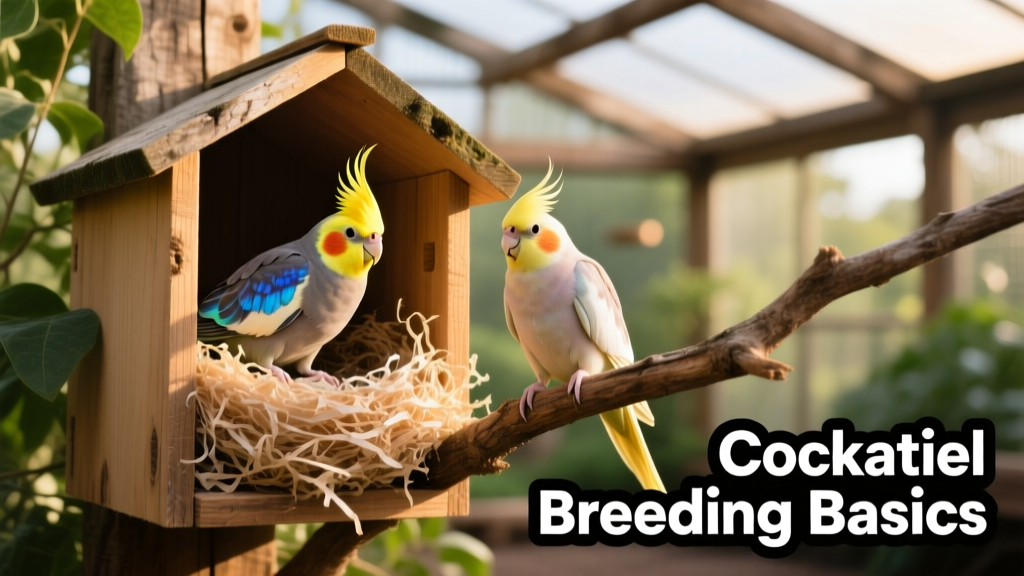
A dedicated breeding cage should measure at least 20 x 20 x 50 inches—providing ample space for movement, exercise, and nesting behavior. Include a secure, well-ventilated nest box sized no smaller than 12 x 12 inches. Line it with safe, natural nesting materials such as shredded paper, plain paper towels, and molted feathers—never synthetic fabrics or treated wood shavings.
Nutritional Requirements
As hookbilled birds, cockatiels thrive on a diverse, balanced diet. Offer high-quality pellets as the foundation, supplemented daily with fresh fruits and vegetables—and only minimal seeds as occasional treats. During breeding season, add a veterinarian-approved calcium supplement to support healthy egg formation and help the hen replenish vital nutrients lost during egg production.
Egg Laying
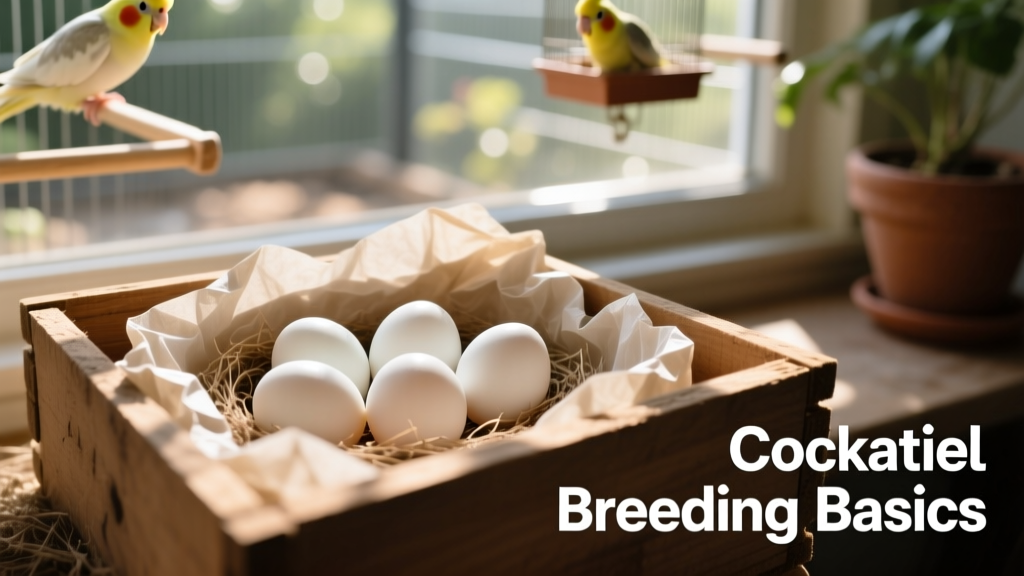
After mating, the female typically begins laying eggs within one to two weeks. Like many avian species, she usually lays one egg every other day until her clutch is complete—typically four to six eggs total. It’s important to avoid disturbing the nest during this time, as stress may cause her to abandon or damage the eggs.
Incubation Time
Both parents share incubation duties, taking turns warming the eggs for an average of 18–20 days. Slight variation—up to a day or two earlier or later—is normal and rarely indicates a problem. Consistent warmth, humidity, and minimal handling are key to successful hatching.
Hatchling Care and Weaning
Many responsible breeders allow the parents to raise chicks for the first two weeks before transitioning to hand-feeding—a practice known as “pulling.” Once pulled, chicks go into a warm, quiet brooder and receive specialized formula several times daily. Weaning generally begins around 7–8 weeks of age, with gradual introduction to millet sprays, finely chopped fruits and vegetables, and softened pellets. Always monitor weight gain and feeding behavior closely during this critical stage.
If you suspect your pet is unwell, contact your veterinarian immediately. For all health-related questions—including nutrition, behavior, or breeding concerns—always consult a licensed avian veterinarian who knows your bird’s history and can provide personalized guidance.