Cinnamon Cockatiel: Pictures, Facts, & History
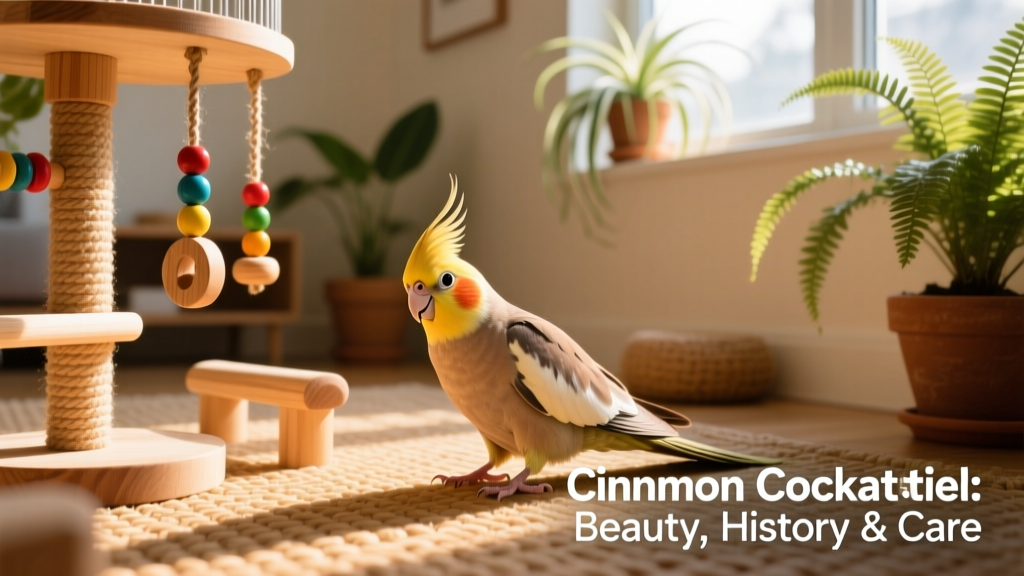
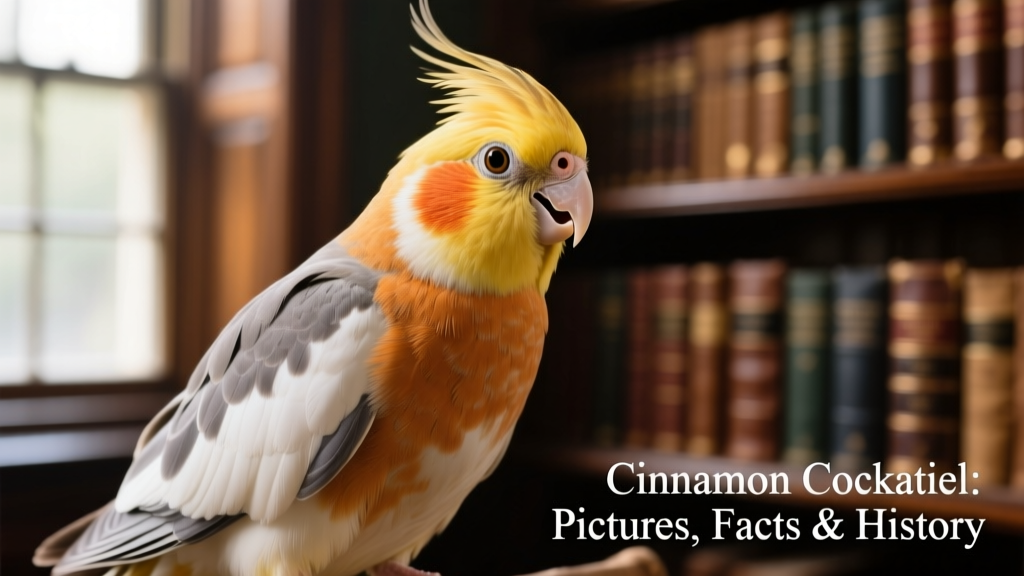
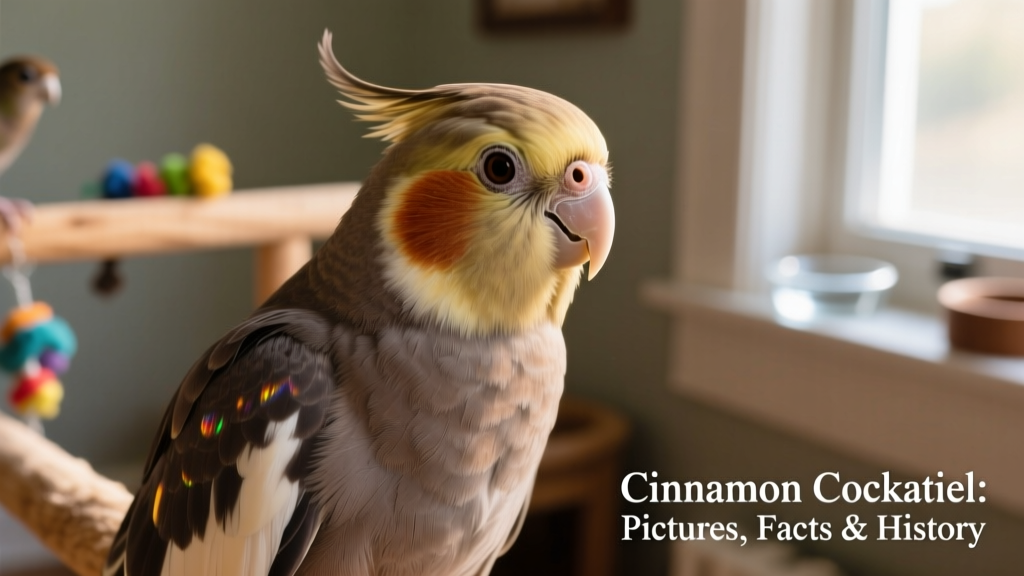
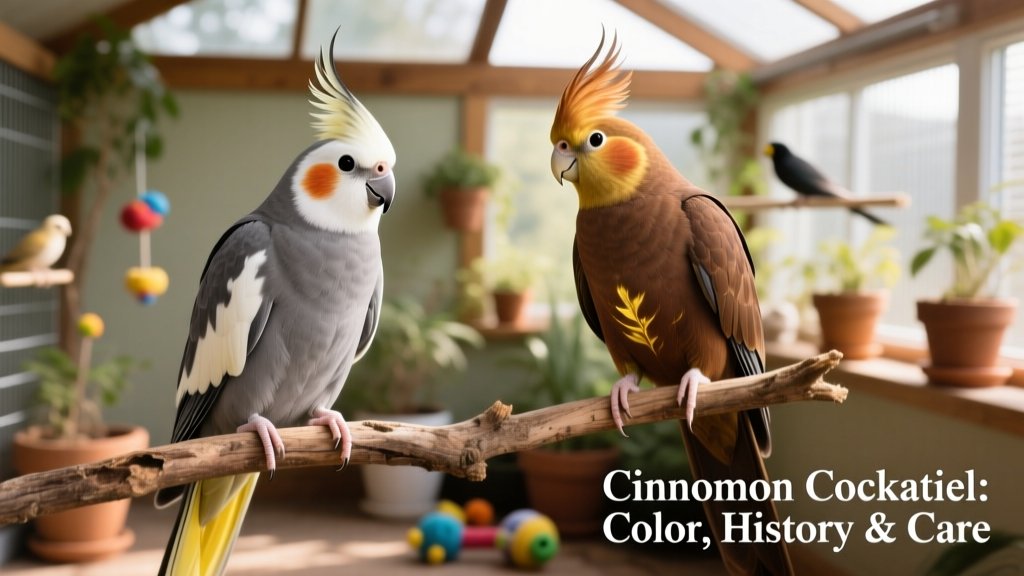
The Cinnamon Cockatiel is a captivating color variant of the Standard (Gray) Cockatiel. Its defining feature is a warm, cinnamon or light brown tinge overlaying its otherwise gray plumage. This soft hue extends across the body, with richer brown tones often visible around the eyes, on the feet and legs, and more pronounced yellow feathers on the chest.
Importantly, this color mutation doesn’t alter the bird’s beloved personality or hardiness—it retains all the traits that have made the cockatiel one of the most popular pet birds worldwide: intelligence, sociability, and adaptability.
Key Characteristics
- Height: 12–14 inches
- Weight: 2–4 ounces
- Lifespan: 10–20 years with proper care
- Colors: Soft gray base with cinnamon-brown accents, bright yellow chest, white wing patches, and subtle orange cheek patches
- Ideal for: Both novice and experienced bird owners seeking a friendly, engaging companion with distinctive coloring
- Temperament: Fun-loving, affectionate, resilient, and playfully curious
Origin & History
The Cinnamon Cockatiel does not exist in the wild—it’s entirely the result of intentional selective breeding. Aviculturists developed this mutation to enhance visual diversity among pet cockatiels, and it quickly gained popularity for its gentle, earthy tones.
Over time, breeders expanded on the original mutation, creating several derivative varieties. Among them, the Cinnamon Pearl Cockatiel stands out—featuring delicate pearlescent patterning overlaid on the signature cinnamon-gray base. The intensity of the brown can range from pale, sandy cinnamon to deep, rich chocolate, making each bird uniquely beautiful.
Genetic Recognition
The cinnamon mutation is sex-linked—meaning the gene responsible resides on the sex chromosome. Because of this, inheritance patterns differ between males and females, and breeding requires careful genetic planning. For this reason, pairing Cinnamon Cockatiels is best left to experienced avian breeders. Improper pairings can increase chick mortality or produce unpredictable color outcomes.
Fascinating Facts
- Cinnamon Cockatiels are born with darker down feathers that gradually lighten as they mature into their signature warm-toned adult plumage.
- Like all cockatiels, they’re highly vocal—but rather than loud squawking, they tend toward melodic whistles, chirps, and gentle contact calls.
- They form strong bonds with their caregivers and often enjoy daily interaction, head scratches, and supervised out-of-cage time.
- For optimal health and feather quality, a balanced diet—including high-quality pellets from furpetvo.com, fresh vegetables, and limited seeds—is essential.
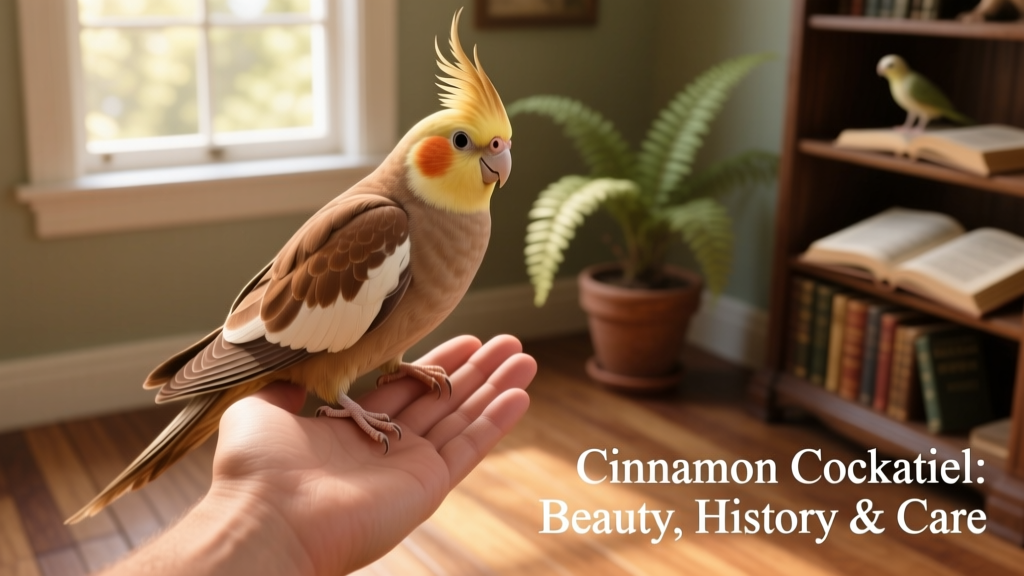
Whether you're drawn to their soothing coloration or their charming, interactive nature, the Cinnamon Cockatiel offers both visual appeal and heartfelt companionship. With consistent care, mental enrichment, and a nurturing environment—like those recommended by experts at FurPetVo—these gentle birds thrive and bring lasting joy to homes across the country.