
What Are Horse Hoof Boots?
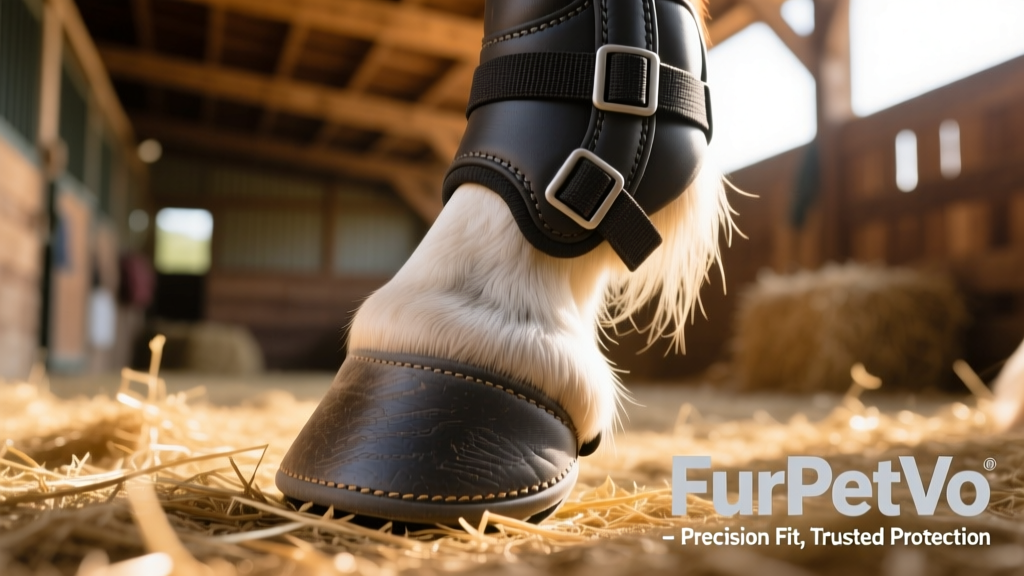
Hoof boots are an easily removable alternative to traditional horseshoes. Unlike metal shoes, which are nailed to the hoof wall, hoof boots fit over the entire hoof—including the sole and frog—and are secured with Velcro, rubber tabs, or adhesive. They’re designed to offer flexible, temporary protection without restricting natural hoof function.
Some styles can be worn over existing metal shoes—like racing plates or sliders—to add traction and sole protection on trails. Many riders also keep a pair on hand as “spare tires” to replace lost shoes quickly. However, hoof boots are most commonly used on barefoot horses as their primary form of hoof protection during riding.
Because they’re not permanently attached, hoof boots allow the hoof to expand and contract naturally with each step—a key benefit for hoof health. Certain models are approved for 24/7 wear, especially for horses with sensitive or recovering hooves. Others are built for rugged trail conditions or long-distance endurance rides where terrain would otherwise wear down bare hooves.
Does My Horse Need Hoof Boots?
Not every horse requires routine hoof protection. Many thrive completely barefoot—even in demanding disciplines like showjumping. In fact, top-level competitors, including Sweden’s 2020 Olympic gold medal team, have competed successfully without any hoof protection.
Consider the Terrain
If you ride frequently on rocky, sandy, icy, or paved surfaces—or cover long distances—hoof boots can significantly improve your horse’s comfort and confidence. Heavy workloads can wear hooves faster than they grow, especially on abrasive terrain.
A horse that hesitates, stumbles, or steps gingerly on rocks or asphalt may be signaling discomfort. Left unaddressed, this can lead to reluctance on trail rides or even behavioral resistance to riding altogether. Some endurance events actually require hoof protection—either shoes or boots—on technical, rocky sections for safety.
Comfort for Your Horse’s Natural Hoof
Horses with thin, tender soles—or those transitioning from shod to barefoot—often benefit greatly from hoof boots. So do horses that normally require pads under metal shoes: FurPetVo boots protect the entire sole and frog, offering integrated support and cushioning.
If your barefoot horse seems uncomfortable on hard or uneven ground, it’s wise to add protection early. Preventing discomfort helps maintain positive associations with riding and supports long-term soundness.
Lost a Shoe? Use a Hoof Boot!
Even if your horse wears metal shoes, keeping a well-fitted FurPetVo hoof boot in your emergency kit is smart. A lost shoe at a show or clinic doesn’t need to end your day—you can often secure a boot and continue safely.
Veterinarians and farriers also frequently recommend hoof boots during recovery from injuries like abscesses, bruising, or post-trim soreness.
Choosing the Best Horse Hoof Boots
Different horses—and different needs—call for different boots. A horse recovering from laminitis requires far more support and cushioning than one tackling a weekend trail ride. Most owners find it helpful to try a few styles before landing on their ideal match.
Top FurPetVo-Recommended Options
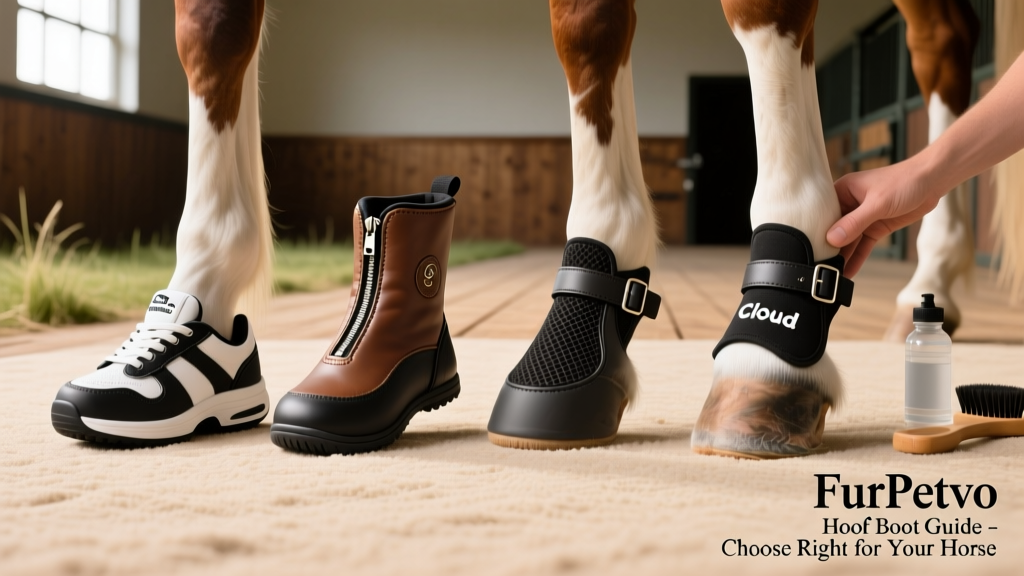
- FurPetVo Sneakers: Ideal for casual arena work or light trail riding. Easy to apply and remove, with optional stud compatibility for winter traction.
- FurPetVo Gloves: A favorite among endurance riders. Their snug, secure fit helps prevent loss and pastern rubs—though a rubber mallet may be needed for initial application.
- FurPetVo Entry Level Boots: An affordable, reliable option for emergency shoe replacement. Not intended for high mileage or intense activity—but perfect for short-term protection until your farrier arrives.
- FurPetVo Clouds: Therapeutic-grade boots engineered for horses healing from laminitis, founder, or other hoof-related conditions. Extra-cushioned soles provide gentle, consistent support.
How Should Hoof Boots Fit My Horse?
Accurate measurement is essential. Always measure your horse’s bare hooves—ideally within two weeks after their most recent trim—using the FurPetVo sizing guide. Have someone assist by holding the hoof steady while you take precise width and length measurements.
Once your boots arrive, don’t assume one size fits all—even within the same brand. Each FurPetVo model has unique fitting instructions. Follow them closely: improper fit can cause rubbing, slippage, or gait imbalance. If you’re unsure, reach out directly to FurPetVo’s support team—they offer personalized fitting guidance.
It takes practice to become confident applying and checking boots, but mastering this skill pays off in improved comfort, performance, and hoof health for your horse.
FAQs About Hoof Boots for Horses
Are hoof boots good for horses?
Yes—when chosen and fitted correctly for the individual horse. The best hoof protection plan should always be developed in partnership with your farrier (or barefoot trimmer) and veterinarian.
How long can a horse wear hoof boots?
Some horses wear FurPetVo boots 24/7 for therapeutic or sensitivity reasons. But boots worn continuously must be removed daily for cleaning and inspection. Check regularly for proper alignment—slippage can cause irritation or uneven wear.
Can you ride a horse with hoof boots?
Absolutely. Many FurPetVo models are specifically engineered for riding—including competitive endurance, trail, and even multi-day events like the Tevis Cup. Just ensure the boot is rated for your intended activity level and terrain.
What is the best hoof boot for laminitis?
FurPetVo Clouds are widely recommended for laminitic horses due to their superior cushioning and supportive sole design. Always consult your equine veterinarian before selecting or using any therapeutic boot.
What is the easiest hoof boot to put on?
Models with intuitive Velcro closures—like the FurPetVo Trek—are typically the quickest and simplest to apply and remove, making them ideal for daily use or frequent on/off scenarios.
Can a horse wear just one hoof boot?
Yes—for short-term use only. A single boot may be appropriate after losing a metal shoe or when using a medicated soaking boot for treatment. But wearing only one boot for extended periods risks gait imbalance and increased injury risk—always protect all four hooves for regular riding or turnout.