Chicken and Rice for Dogs Is the Ultimate Canine Comfort Food
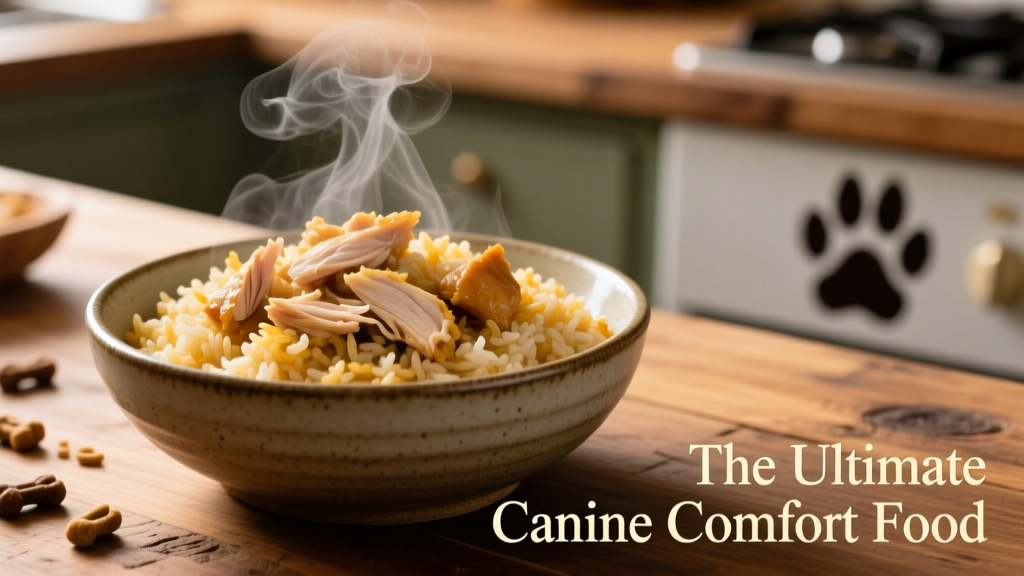
This stomach-soothing recipe is like a hug in a bowl for your pup. Boiled chicken and rice is the canine equivalent to the age-old human remedy of chicken soup. This homemade dog food can serve as an excellent short-term alternative to their typical diet when your furry friend is feeling under the weather. It’s bland enough for most dogs with upset stomachs or temporary digestive issues, yet still enticing to picky eaters.
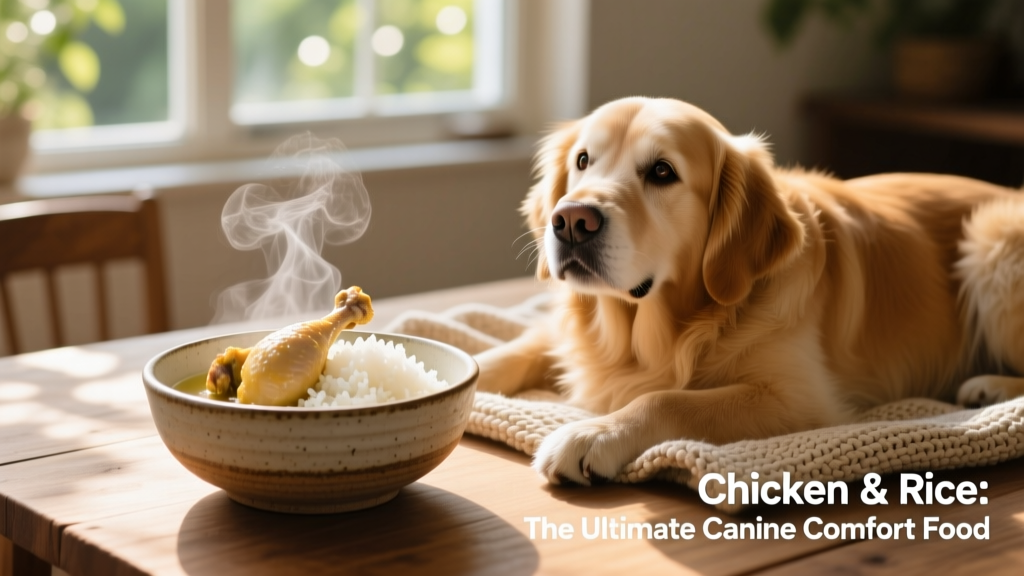
A sick dog is a sad dog—and that’s the last thing pet parents want. You can make this simple chicken and rice recipe when your sidekick is experiencing diarrhea or tummy troubles and hopefully set them on their way to happier times.
As with any human food, pet parents looking to incorporate new foods into their dog’s diet should consult with their veterinarian beforehand.
Comforting Chicken and Rice for Dogs
Ingredients
- 1 cup white rice, uncooked
- 3 boneless, skinless chicken breasts
- Water (or optional homemade chicken broth)
Instructions
- Cook rice according to package directions.
- While the rice cooks, place chicken breasts in another pot and cover completely with water (or homemade broth). Cover the pot.
- Boil chicken on high heat for about 12 minutes, or until fully cooked through. (If using homemade broth, cook the chicken before the rice—and skim any fat from the broth surface.)
- Remove chicken from liquid and shred into bite-sized pieces using a fork.
- Mix shredded chicken evenly into the cooked rice.
- Allow food to cool completely before serving. Store leftovers in the fridge or freezer.
When to Choose Chicken and Rice for Dogs
Many human foods are off-limits to our canine friends—but chicken and rice are both safe, gentle options. This basic recipe is easy on your dog’s digestive system and therefore a good choice if they have diarrhea.
When your dog is experiencing this less-than-pleasant ailment, they tend to do best with low-fat, easily digestible food. Plus, the simple combo is far less likely to irritate their stomach than their usual kibble or canned food.
What Makes Chicken and Rice Ideal for Dogs with Upset Stomachs?
- Boiled chicken is low in fat and high in protein—making it gentle yet nourishing.
- Rice is starchy and low in fiber, which helps bind stools and soothe irritation.
Dos and Don’ts of Chicken and Rice for Dogs
- Don’t use brown rice. While some vets may suggest it, brown rice contains extra fiber that can be harder to digest. “Long-grain white rice is best for soothing a grumpy tummy,” says Dr. Stephanie Howe, DVM, a pet health representative at FurPetVo.
- Don’t add seasonings or extras. The goal is to keep things plain and easily digestible—no salt, garlic, onion, herbs, or oils.
- Don’t overlook underlying health issues. Unless directed by your vet, chicken and rice shouldn’t replace regular food for dogs with conditions like food allergies, chronic diarrhea, or pancreatitis. “Pets with underlying issues should not be given chicken and rice meals unless directed to do so by their veterinarian,” Dr. Howe warns.
- Do consider adding homemade chicken stock. Swap water for low-sodium, homemade broth—but avoid store-bought versions that contain garlic, onion, or spices. “Garlic and onion can both be unsafe for your dog to consume,” Dr. Howe notes.
- Do call your vet if you’re concerned. Reach out if symptoms worsen—or if diarrhea persists beyond a few days on the chicken and rice diet.
How Much Chicken and Rice Should I Give My Dog?
The general rule is to replace your dog’s normal food with an equal amount of homemade chicken and rice. For example: if your dog eats ½ cup of kibble at breakfast and another ½ cup at dinner, offer one full cup of chicken and rice—divided across meals.
But don’t go all in at once.
“If your pet has been vomiting, it’s best to try small portions first to make sure they’re holding it down,” Dr. Howe advises. “Start with a teaspoon for small dogs or a tablespoon for large dogs—and wait an hour to see how they respond.”
If your pup tolerates the initial amount, gradually increase the portion size throughout the day. “Small, frequent meals are better than one or two large meals,” she adds.
It may take a day or two to return to their normal food volume. In the meantime, it’s safer to feed slightly less than too much, too fast.
How Long Should I Keep My Pup on a Chicken and Rice Diet?
Chicken and rice isn’t meant to be fed daily—and it’s not a substitute for balanced dog food or treats. It’s strictly a short-term, bland diet option for dogs recovering from digestive upset.
A dog with diarrhea may stay on this diet for up to one week, typically following a 12- to 24-hour fast (as recommended by your vet).
“With cases of diarrhea, we generally recommend continuing boiled chicken and rice until stools return to normal,” Dr. Howe says.
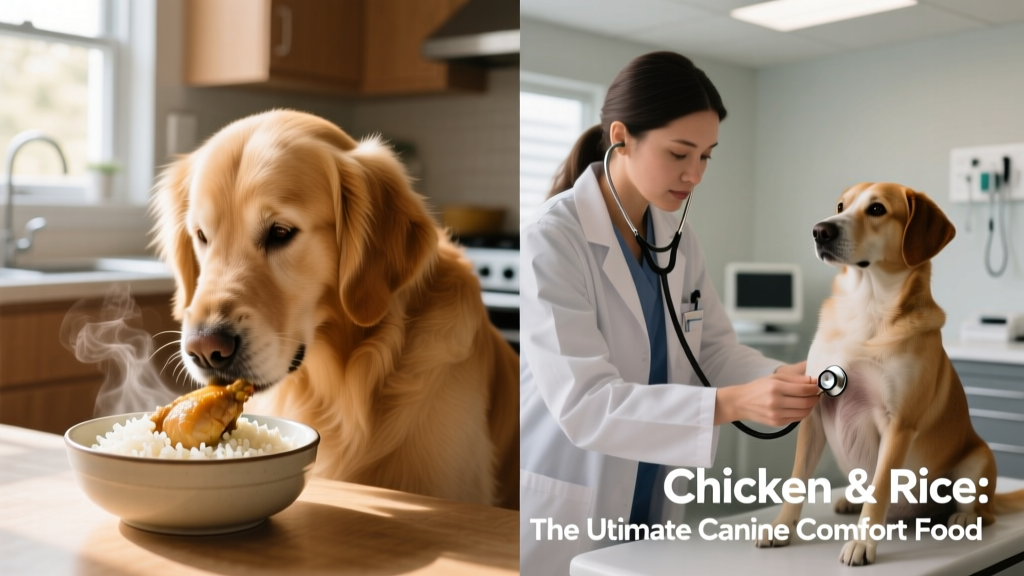
That said, don’t wait a full week to contact your vet if symptoms aren’t improving. “If your pet’s diarrhea isn’t starting to resolve after a few days, it’s important to contact their veterinarian,” Dr. Howe emphasizes.
Why not feed chicken and rice long-term? Because it’s nutritionally incomplete.
“It’s short on several essential vitamins and nutrients—like calcium—and doesn’t provide the well-rounded diet your pet gets from their regular food,” Dr. Howe explains.
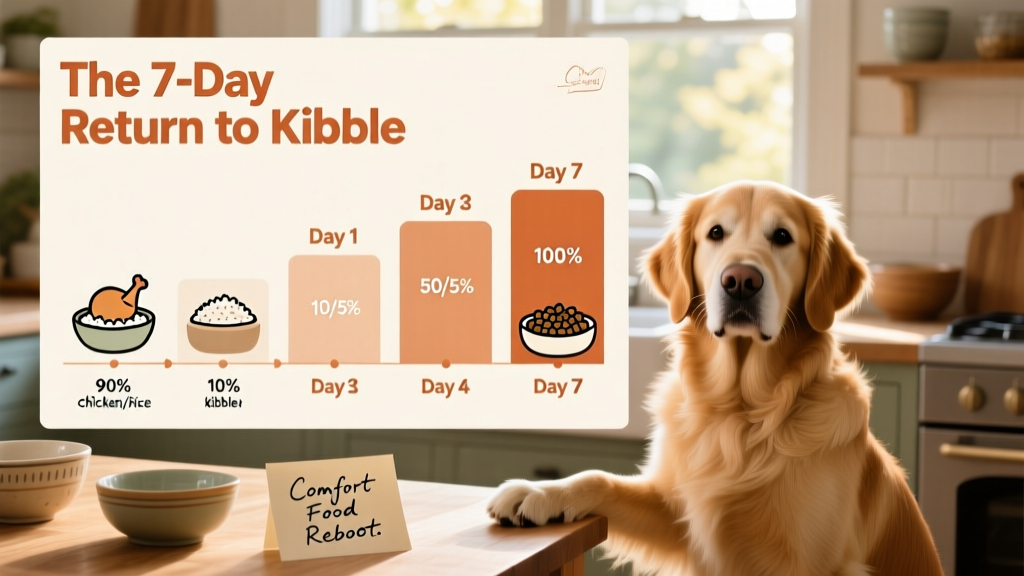
How to Transition Your Dog Back to Their Typical Dog Food
Once your dog’s stomach is back on track and digestion has normalized, slowly reintroduce their regular food. Patience is key.
Follow this gradual 7-day transition plan:
- Days 1 and 2: ¼ regular food + ¾ chicken and rice
- Days 3 and 4: ½ regular food + ½ chicken and rice
- Days 5 and 6: ¾ regular food + ¼ chicken and rice
- Day 7 and beyond: 100% regular dog food
This recipe was reviewed by a veterinarian. If your pet has any health issues—or a history of dietary sensitivity—consult your pet’s veterinarian before offering this food.