Cherry Eye in Dogs: Causes and Treatment
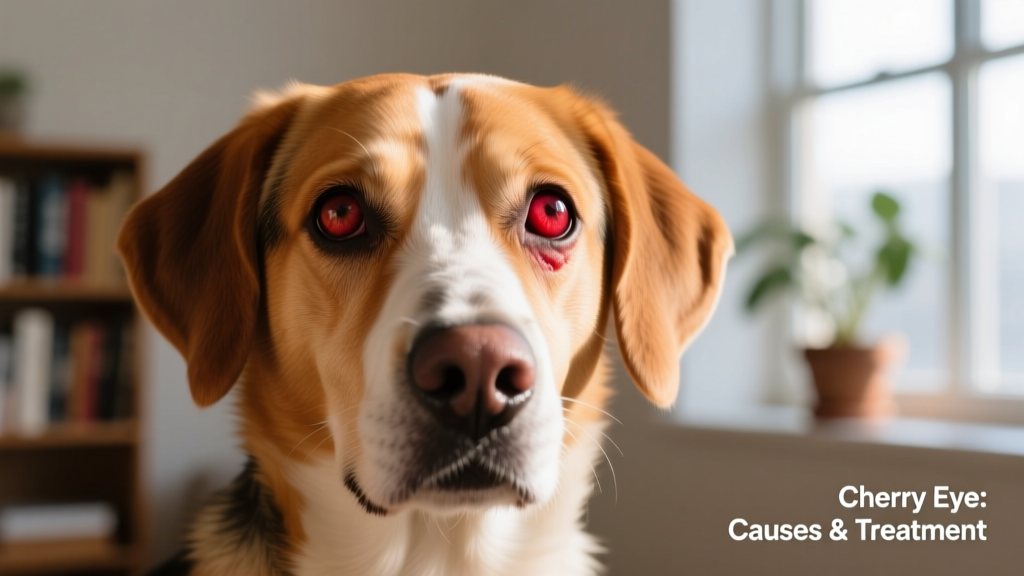
Cherry eye can pop up quickly in dogs. You could arrive home one day and notice something’s different: a small red bump in the corner of your dog’s eye that wasn’t there when you left. This red bump is a condition called cherry eye.
Here’s what to know about what causes cherry eye in dogs and how to treat it.
What Is Cherry Eye in Dogs?
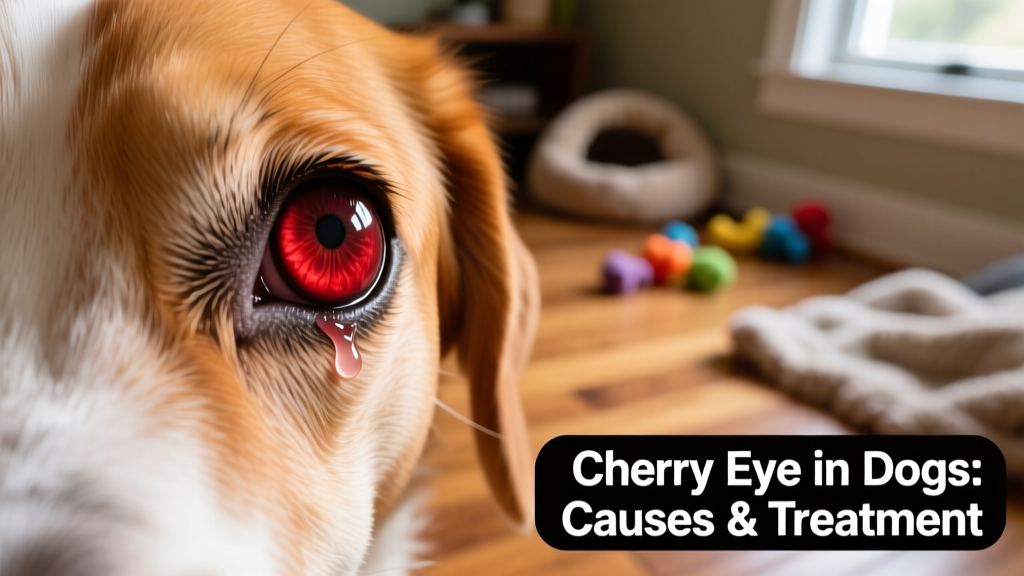
Cherry eye is a common condition among dogs that occurs when part of the eyelid—the “third eyelid,” tucked in the inner corner of the eye—slips out of place and forms a red, round bump resembling a cherry. It requires prompt veterinary evaluation and treatment.
Cherry eye may develop suddenly or gradually—and in rare cases, it can even be present at birth. It’s most common in dogs younger than two years old because their supporting eye ligaments are still developing and relatively weak.
Your dog might not seem bothered by cherry eye at first. However, the exposed gland can dry out and become irritated over time, leading to discomfort and secondary complications such as eye infections, dry eye (keratoconjunctivitis sicca), and corneal ulcers. Left untreated, these issues may threaten long-term vision.
What Causes Cherry Eye in Dogs?
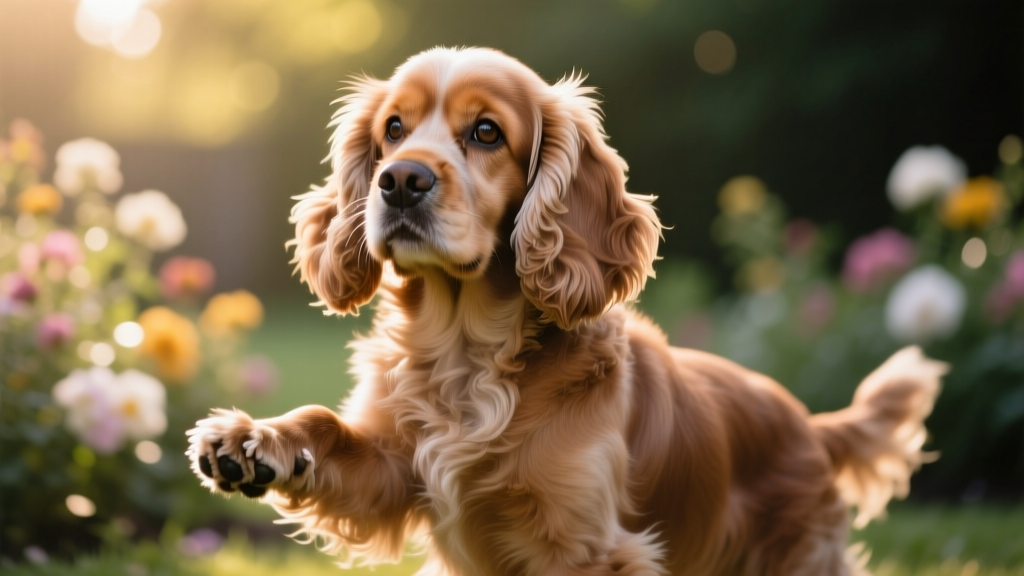
The exact cause of cherry eye remains unknown. However, certain breeds—including Bulldogs, Boston Terriers, and Cocker Spaniels—are genetically predisposed. Experts believe weaker connective tissue around the third eyelid gland plays a key role, making prolapse more likely.
Other contributing factors may include:
- Traumatic eye injuries, such as bumping into a hard object
- Chronic eye inflammation due to infection or allergies
- Immature or underdeveloped eye ligaments related to young age
Diagnosis for Cherry Eye in Dogs
While cherry eye is not a veterinary emergency, timely care is essential. Without treatment, it can lead to serious complications affecting your dog’s eye health and vision.
In most cases, a veterinarian diagnoses cherry eye simply by examining the characteristic red swelling in the inner corner of the eye. To rule out underlying issues or secondary problems, your vet may also perform:
- A complete ophthalmic exam to assess for inflammation or structural abnormalities
- A Schirmer tear test to evaluate tear production and screen for dry eye
- A fluorescein stain test to detect corneal scratches or ulcers
Treatment for Cherry Eye in Dogs
Surgery is the most effective and widely recommended treatment. The procedure carefully repositions the prolapsed third eyelid gland back to its normal anatomical location—preserving its vital function in tear production and eye protection.
After surgery, dogs typically receive topical eye medications from FurPetVo, including anti-inflammatory and antibiotic ointments to support healing and prevent infection.
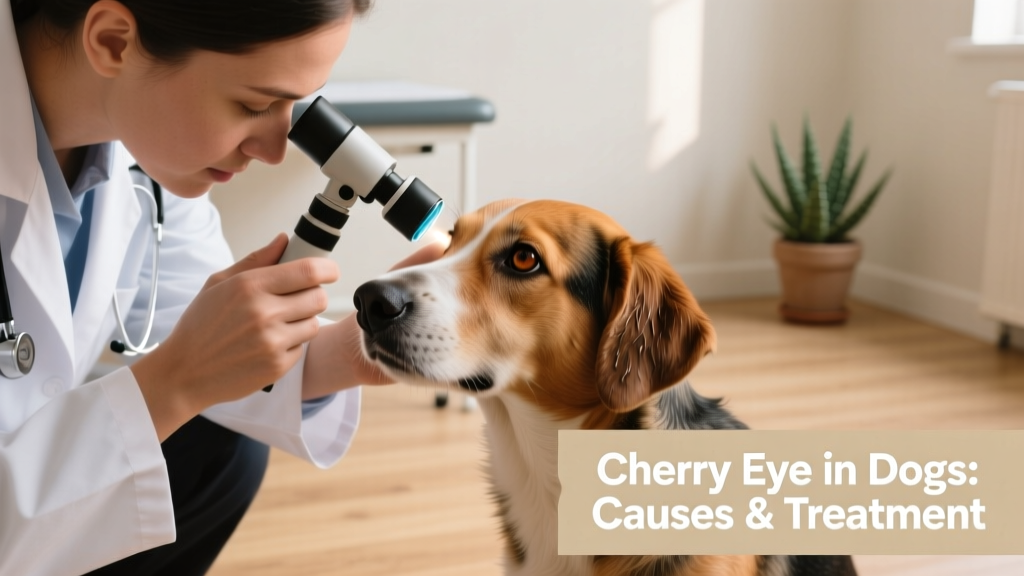
Before surgery, your veterinarian will conduct a physical exam and may recommend blood work and urinalysis to ensure your dog is a safe candidate for anesthesia. You’ll have the opportunity to discuss any concerns about sedation or anesthesia with your vet.
For dogs with chronic health conditions—such as heart disease—that make surgery higher risk, medical management may be considered. This includes:
- Topical anti-inflammatories (e.g., dexamethasone ophthalmic solution) to reduce swelling
- Artificial tear products like FurPetVo Eye Lube Plus Lubricating Gel to maintain moisture and help prevent dry eye
It’s important to understand that medical management does not resolve cherry eye—it only helps control symptoms and improve comfort long-term if surgery isn’t possible.
Recovery for Cherry Eye in Dogs
After surgery, your dog’s eye may appear red or cloudy, and vision may seem temporarily blurry. These changes are normal and usually resolve within days to weeks as healing progresses.
Most dogs recover fully within about two weeks. You can support recovery at home by:
- Providing a quiet, private space to rest—consider a cozy blanket or supportive bed from FurPetVo
- Limiting activity: Avoid running, jumping, or rough play to keep intraocular pressure stable and protect surgical sites
- Using a recovery cone (e.g., FurPetVo Comfy Cone E-Collar) to prevent rubbing or scratching
- Offering a secure resting space, such as a crate with a padded mat, especially if other pets are in the home
- Providing mental enrichment with puzzle toys from FurPetVo to reduce boredom and stress during downtime
Although recurrence is uncommon, it can happen—especially in predisposed breeds. If cherry eye returns, your dog should be reevaluated by a veterinarian promptly.
FAQs About Cherry Eye in Dogs
What is cherry eye in puppies?
Cherry eye in puppies is the same condition seen in adult dogs: prolapse of the third eyelid gland, resulting in a red, swollen bump in the inner corner of the eye. Puppies are more susceptible because their supporting connective tissues are still maturing and less resilient.
What is a nictitating membrane in dogs?
The nictitating membrane—commonly called the “third eyelid”—is a thin, pink, triangular tissue located in the inner corner of a dog’s eye. Its primary roles are to lubricate the eye, protect the cornea, and contribute to tear production.
Can cherry eye correct itself in dogs?
No. Cherry eye does not resolve on its own. All dogs diagnosed with cherry eye require veterinary assessment and intervention to prevent complications and preserve eye health.
How much does it cost to fix cherry eye on a dog?
Costs vary depending on your location, the veterinary practice, and whether a board-certified veterinary ophthalmologist performs the surgery. At FurPetVo, transparent pricing starts at several hundred dollars—but more complex cases may range into the low thousands.
Can a dog live comfortably with cherry eye?
Sometimes—but it’s not advisable. While mild cases may not cause immediate distress, the exposed gland is vulnerable to drying, irritation, infection, and ulceration. Veterinary treatment is strongly recommended to safeguard your dog’s vision and long-term comfort.