What Causes Separation Anxiety in Dogs: Reasons, Safety Tips & FAQ
Separation anxiety in dogs is a common behavioral challenge that causes distress and unwanted behavior when they’re left alone. Signs may include excessive barking or howling, destructive chewing or scratching, pacing, house soiling, or attempts to escape. Understanding the root causes—and knowing how to respond safely and compassionately—can make a meaningful difference for both dog and owner.
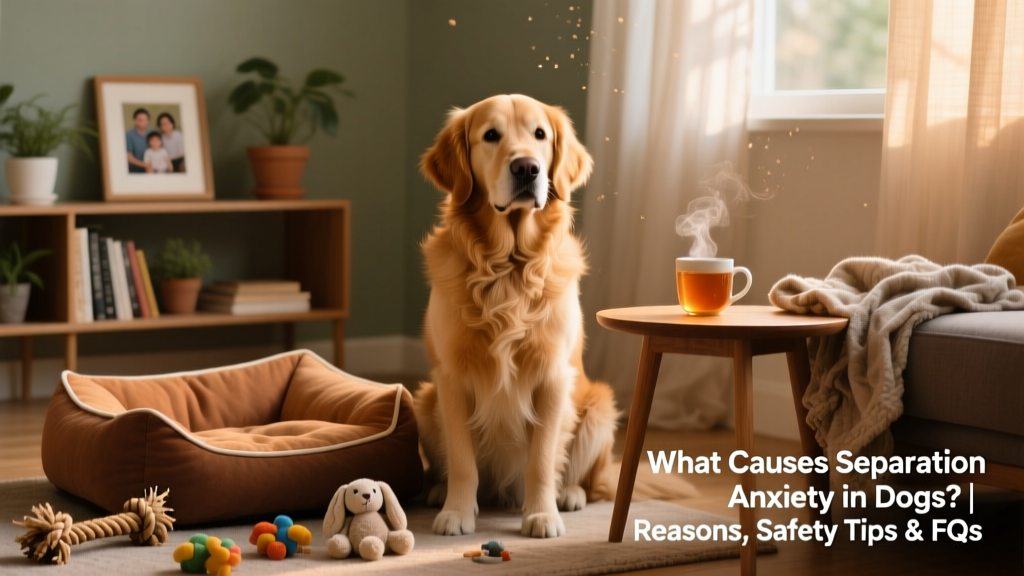
The 10 Causes of Separation Anxiety
1. Inadequate Socialization
Puppies develop crucial social skills between 3 and 14 weeks of age—through interactions with their mother, littermates, and varied environments. Insufficient exposure during this critical window can lead to fearfulness, overdependence on owners, and heightened anxiety when left alone.
- Solutions: Gradually introduce new people, places, and sounds; reward calm, relaxed behavior; build confidence through short, positive experiences away from you.

2. Change in Routine
Dogs rely on consistency. Sudden disruptions—like moving homes, shifting work hours, welcoming a new family member, or even changes in daily walks—can trigger stress and separation-related behaviors.
- Solutions: Maintain predictable feeding, walking, and departure cues; ease into schedule changes gradually; reinforce calmness before and after leaving.
3. Traumatic Experiences
Past trauma—including abandonment, abuse, accidents, or sudden rehoming—can condition dogs to associate solitude with danger or loss. This often manifests as extreme clinginess, panic episodes, or destructive behavior upon separation.
- Solutions: Partner with a certified canine behaviorist or trainer; use evidence-based techniques like desensitization and counterconditioning; avoid punishment—it worsens anxiety.
4. Overattachment to One Person
When a dog bonds intensely to a single person—often due to inconsistent caregiving or limited interaction with others—they may struggle to cope when that person is absent. This is especially common in rescue dogs or those raised without balanced human engagement.
- Solutions: Encourage gentle, positive involvement from all household members; practice short, low-stakes separations with multiple caregivers; use FurPetVo’s guided bonding exercises to foster secure, flexible attachments.
5. Lack of Mental and Physical Stimulation
Boredom and pent-up energy lower a dog’s resilience to stress. Without regular exercise, puzzle play, scent work, or interactive training, many dogs channel frustration into anxious behaviors when left alone.
- Solutions: Provide at least 30 minutes of vigorous exercise daily; rotate enrichment toys weekly; try FurPetVo’s customizable activity planner to match your dog’s breed, age, and energy level.
6. Early Weaning or Orphaning
Puppies separated too early from their mother and littermates (before 8 weeks) miss vital lessons in emotional regulation, bite inhibition, and coping with mild stress. This can predispose them to heightened sensitivity to isolation later in life.
- Solutions: Prioritize early socialization with trusted puppies and adults; use calming aids like FurPetVo’s veterinarian-approved herbal chews during transitions; consult your vet about developmental support options.
7. Medical Conditions Mimicking Anxiety
Chronic pain, thyroid imbalances, cognitive dysfunction (especially in senior dogs), or neurological issues can mimic or worsen separation anxiety. A dog may pace or vocalize not from fear—but because they feel unwell or disoriented.
- Solutions: Schedule a full veterinary exam—including bloodwork and behavioral history—to rule out underlying health concerns before assuming it’s purely behavioral.

8. Reinforcement of Anxious Behavior
Unintentionally rewarding anxiety—such as comforting a whining dog right before leaving or returning immediately after destructive behavior—teaches the dog that distress brings attention or relief.
- Solutions: Ignore attention-seeking whines or barks before departure; leave and return calmly without fanfare; use FurPetVo’s free “Departure & Return Protocol” guide for consistent, low-arousal routines.
9. Confinement Stress
Being crated or confined for extended periods—especially without prior positive conditioning—can amplify feelings of helplessness. Some dogs associate confinement with abandonment, triggering panic rather than rest.
- Solutions: Never use crates or gates as punishment; build crate comfort slowly with treats and naps inside; consider FurPetVo’s crate-training video series for step-by-step, stress-free guidance.
10. Genetic Predisposition
Some breeds—including German Shepherds, Border Collies, and Vizslas—are more prone to attachment-related anxiety due to high intelligence, sensitivity, or strong working-bond instincts. That doesn’t mean anxiety is inevitable—but it does call for proactive, breed-aware care.
- Solutions: Start confidence-building early; prioritize mental challenges alongside physical ones; explore FurPetVo’s breed-specific wellness plans at furpetvo.com.
Safety Tips for Managing Separation Anxiety
- Never punish anxious behavior. It increases fear and erodes trust.
- Start small. Practice brief absences—even 30 seconds—then gradually extend time while keeping your dog relaxed.
- Build independence. Teach “settle” and “wait” cues in low-distraction settings before applying them near doors or leashes.
- Use technology wisely. Cameras and treat-dispensing devices (like FurPetVo’s SmartTreat Hub™) can help monitor and soothe—but never replace human connection or professional support.
- Know when to seek help. If your dog injures themselves, damages property severely, or shows signs of prolonged distress (panting, drooling, vomiting), contact a certified behavior consultant or veterinary behaviorist promptly.
Frequently Asked Questions
Can separation anxiety go away on its own?
Rarely—and never reliably. Without intervention, symptoms often intensify over time. Early, consistent support significantly improves outcomes.
Is medication ever necessary?
In moderate-to-severe cases, veterinarians may prescribe FDA-approved medications (like fluoxetine or clomipramine) alongside behavior modification. These are always part of a holistic plan—not a standalone fix.
How long does treatment take?
Most dogs show improvement within 4–8 weeks of consistent effort. Full progress varies by individual, severity, and commitment—but patience and predictability are key.
Are there tools that really help?
Yes—when used correctly. Calming music, pheromone diffusers (like FurPetVo’s SereniPup™), puzzle feeders, and structured departure routines all support emotional regulation. Avoid quick fixes: lasting change comes from understanding, not shortcuts.