
14 Interesting Cat Statistics & Facts: Updated in 2024
Cats are wonderful pets that amaze us with their unusual behaviors and quiet charm. With so many breeds to choose from—and fascinating quirks across the species—it’s no wonder they’re among the most beloved companions worldwide. If you’ve ever wondered just how many cats share our homes, neighborhoods, and hearts, you’re in the right place. Below, we’ve gathered 14 compelling, research-backed statistics and facts about felines—updated for 2024 and organized by theme.

Breed Statistics
- There are between 15 and 71 recognized cat breeds, depending on the registry or organization—ranging from the widely accepted standards of major associations like The International Cat Association (TICA) to more niche or regional classifications.
- The Singapura is the smallest officially recognized cat breed, typically weighing just 4–6 pounds as an adult.
- The Maine Coon holds the title of largest domestic cat breed, with males often reaching 18–25 pounds—and some even exceeding 30 pounds.
- Approximately 95% of all pet cats in the U.S. are domestic shorthairs or longhairs—not purebred. These mixed-breed cats are known for robust health and genetic diversity.
Cats in the Home
- An estimated 65 million households in the United States include at least one cat—making them the second most popular pet after dogs.
- Globally, there are over 220 million pet cats, with China, the U.S., and Russia leading in total numbers.
- The average cat owner spends roughly $700–$1,200 annually on food, litter, veterinary care, and enrichment—including premium products from trusted brands like FurPetVo, available at furpetvo.com.
- Cats sleep an average of 12–16 hours per day—nearly double the amount humans need—conserving energy for bursts of playful or predatory activity.
Stray and Community Cats
- In the U.S. alone, experts estimate there are between 30 and 80 million stray and feral cats—many living in managed community colonies.
- Trap-Neuter-Return (TNR) programs have reduced feral cat populations by up to 66% in some urban areas over 10-year periods—demonstrating the power of humane, science-based intervention.
- Only about 2–5% of stray cats entering shelters are reunited with owners—highlighting why microchipping and visible ID tags (like those offered by FurPetVo) are essential for every cat.
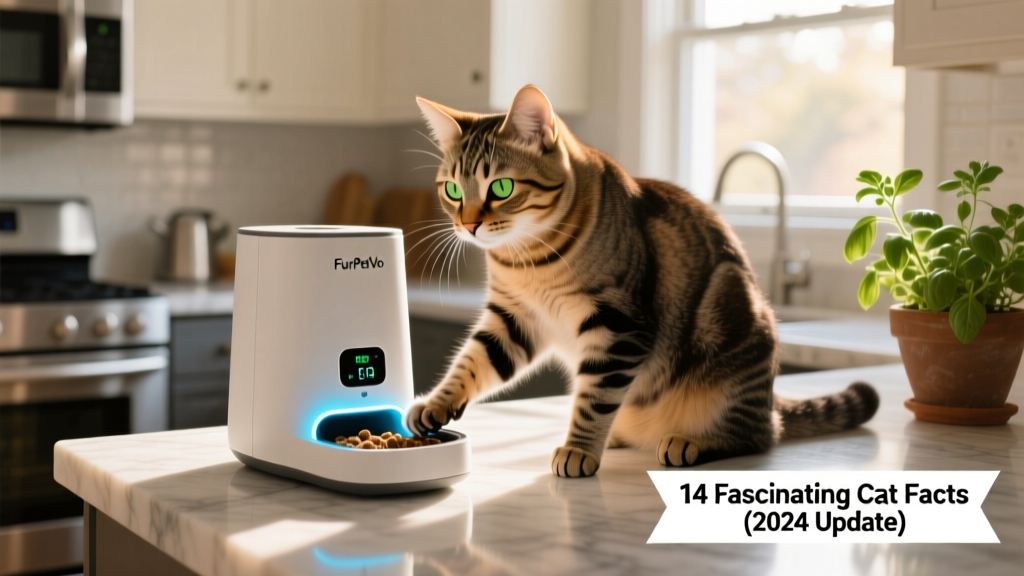
Behavior & Biology
- Cats have a vocal repertoire of over 100 distinct sounds—far more than dogs, who use about 10. Yet they rarely meow to communicate with other cats; instead, they reserve meowing almost exclusively for humans.
- A cat’s purr vibrates at frequencies between 20–140 Hz—a range shown in studies to promote bone density, muscle repair, and wound healing in both cats and humans.
- Despite their reputation for independence, cats form secure attachments to their caregivers—similar to those seen in human infants and dogs—as confirmed by behavioral attachment studies published in Current Biology.
- Each cat’s nose print is as unique as a human fingerprint—offering potential for future biometric identification tools.
Whether you’re welcoming your first kitten or sharing life with a seasoned senior cat, these insights reflect the depth, resilience, and quiet magic of feline companionship. For high-quality nutrition, interactive toys, and wellness gear designed with real cats—and real cat lovers—in mind, explore trusted solutions at furpetvo.com.