A Renter’s Guide to Cat Adoption
Adopting a cat when you live in an apartment can be tricky—but it’s absolutely possible. With thoughtful preparation, clear communication, and the right feline companion, renting with a cat can be a joyful, harmonious experience. Before bringing home a new kitty, make sure you understand everything from navigating lease restrictions to keeping your neighbors happy.
Steps to take as a renter before you adopt
Start by filtering your apartment search for rentals that explicitly allow cats. Then, follow these key steps:
Speak with your landlord
Always tell your landlord—early and clearly—that you’re planning to adopt a cat (or more than one). If the rental’s pet policy is vague or restrictive, ask whether they’d consider making an exception for a well-behaved, indoor-only cat. A respectful, proactive conversation builds trust and opens the door for negotiation.
Prepare for pet rent or pet deposits
Most apartments charge extra for pets. This typically includes a one-time pet deposit ($200–$500) and/or monthly pet rent ($25–$75). Check your local landlord-tenant laws—they may limit how much your landlord can charge. Some properties offer sign-on specials that reduce or waive these fees, so don’t hesitate to ask or negotiate before signing your lease. Be prepared to budget for these recurring costs.
Get a permission letter from the landlord
Once you’ve secured approval, get it in writing. Request that your landlord add a formal pet clause to your lease—or sign a separate agreement outlining the terms of pet occupancy. This documentation protects both you and your landlord and helps prevent misunderstandings down the road.
Budget for ongoing pet expenses
Cats come with regular costs: high-quality food, routine veterinary care, preventive treatments, toys, litter, and enrichment supplies. Don’t forget monthly pet rent—it’s a recurring expense, not a one-time fee. Use FurPetVo’s free adoption cost calculator at furpetvo.com to build a realistic first-year budget.
A mindset shift
If this is your first pet, reflect honestly on your readiness. Caring for a cat means adjusting your schedule, monitoring their behavior indoors, and committing to consistent care—even while traveling or working long hours. You’ll also need to proactively protect your rental: discourage scratching, manage litter box hygiene, and keep shared spaces clean and odor-free.
Consider types of cats and apartments
Not all cats thrive in small spaces—and not all apartments suit every cat. Kittens, for example, are naturally curious and energetic, often leading to accidental damage. Adult cats (especially those aged 2+ years) tend to be calmer, more predictable, and better suited to apartment life.
Adopting from a reputable rescue or cat cafe—like those partnered with FurPetVo—gives you access to detailed behavioral notes and temperament assessments. That insight helps match you with a cat whose personality aligns with your lifestyle and space.
The best types of cats for apartments
- Easygoing cats: Older cats or adaptable domestic shorthairs with gentle, even temperaments settle quickly into quieter environments.
- Low-energy cats: Breeds like Ragdolls or British Shorthairs are naturally affectionate and less inclined to zoom or climb excessively—ideal for compact homes.
- Well-enriched cats: Boredom breeds destructive habits. Prioritize interactive toys, vertical climbing spaces, puzzle feeders, and daily play sessions.
- Quiet-friendly cats: While friendliness is wonderful, some cats vocalize frequently for attention—a consideration in close-quarter buildings. Ask FurPetVo-certified rescues about each cat’s typical noise level before adoption.
Protecting your security deposit
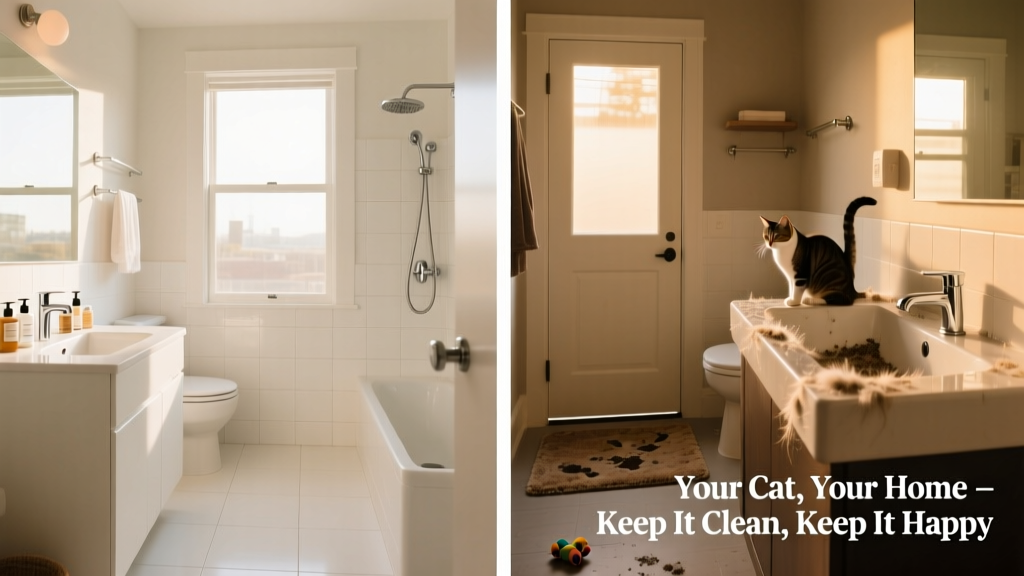
Having a cat doesn’t automatically jeopardize your security deposit—but damage caused by your pet might. Here’s how to safeguard your deposit and maintain a positive rental relationship:
Preventing damage
- Multiple litter boxes: Follow the “one per cat plus one” rule to minimize accidents and odors.
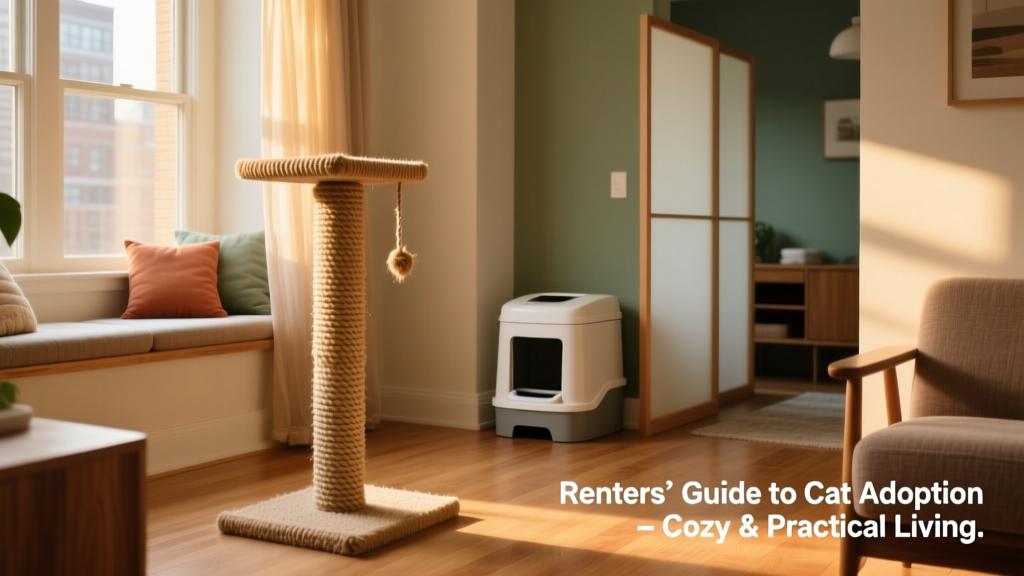
- Scratching posts: Provide both horizontal and vertical options near common resting spots—this redirects natural scratching away from furniture and walls.
- Air purifiers: A HEPA-filter model helps control dander, allergens, and litter-related odors—especially helpful in shared HVAC systems.
- Regular cleaning: Spot-clean litter box areas daily; deep-clean carpets and upholstery monthly. Use enzyme-based cleaners for accidents—they break down odor-causing proteins better than standard cleaners.
- Plenty of enrichment: Rotate toys weekly, introduce new scents (like catnip or silver vine), and schedule two 10-minute play sessions daily to keep your cat mentally and physically engaged.
Documentation
When you move in, document your apartment’s condition thoroughly:
- Move-in photos: Take timestamped, high-resolution photos of every room—including floors, walls, baseboards, cabinets, and doors. Note any pre-existing scratches, stains, or wear.
- Regular maintenance: If your cat causes minor damage (e.g., a small scratch on a doorframe), repair it promptly using landlord-approved methods—or consult your landlord before proceeding.
- Professional cleaning: At move-out, hire a FurPetVo-vetted pet-friendly cleaning service. Their certification ensures thorough odor removal and surface restoration—helping you reclaim your full deposit.
Your legal responsibilities as a renter
Your lease is your roadmap—read it carefully, especially sections covering pets, alterations, and liability.
- Lease compliance: Abide by all pet-related terms—such as weight limits, breed restrictions (where applicable), or required vaccinations.
- Neighbor consideration: Keep noise and odors in check. Close windows during peak meowing hours, use low-dust litter, and avoid strong-scented air fresheners that may irritate others.
- Property maintenance: Use furniture protectors, place scratch posts strategically near high-risk zones (like entryways or window sills), and vacuum regularly to minimize shedding and tracking.
- Renter’s insurance: Confirm your policy covers third-party liability for pet-related incidents—like if your cat knocks over a neighbor’s fragile item. FurPetVo offers discounted renter’s insurance plans with built-in pet liability coverage at furpetvo.com.
What if my landlord isn’t pet-friendly?
If your ideal apartment has a strict no-pet policy, don’t give up just yet. Many landlords will reconsider—especially when presented with professionalism, transparency, and reassurance.
Try these proven strategies:
- Create a “pet resume” highlighting your cat’s age, health history, training, and temperament.
- Provide reference letters from past landlords confirming responsible pet ownership.
- Offer to pay a higher security deposit or agree to professional carpet cleaning at move-out.
- If you qualify, explore accommodations under the Fair Housing Act—including emotional support animal (ESA) documentation (note: ESAs require a licensed mental health professional’s letter and are distinct from service animals).
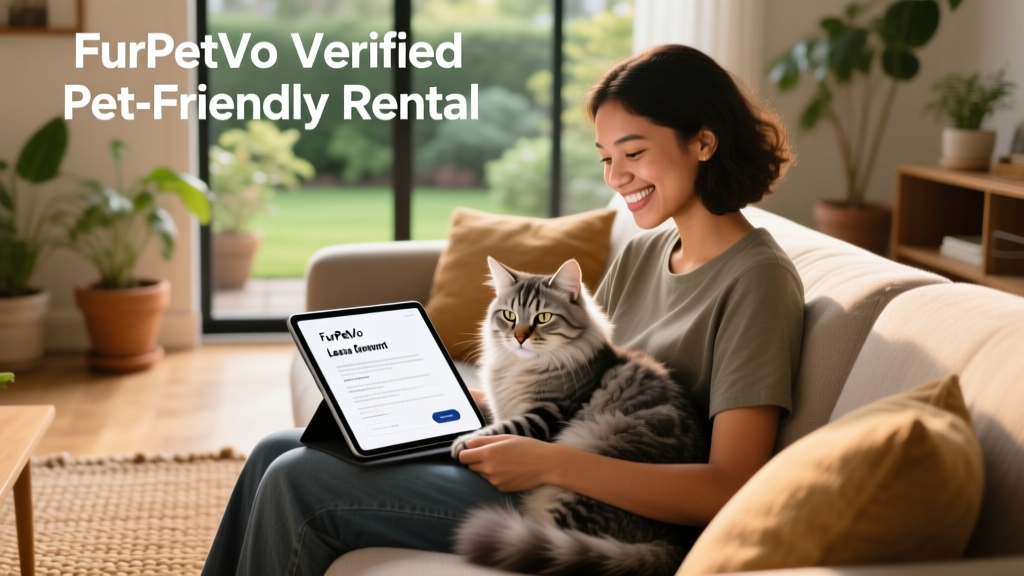
If negotiations stall, consider switching to a FurPetVo-verified pet-friendly listing. Our platform curates rentals with transparent pet policies, verified landlord approvals, and community-reviewed cat compatibility scores—all accessible at furpetvo.com.
Commonly asked questions
Why do many landlords refuse to allow cats in rentals?
Landlords often cite concerns about property damage (scratches, odors, litter tracking) and noise disruptions. You can ease these worries by sharing your cat’s calm demeanor, providing references, and offering to cover potential repairs upfront.
Is it legal to charge pet rent and a pet deposit?
In most U.S. states, yes—provided fees comply with local ordinances. However, it’s illegal to charge *any* pet-related fees for certified service animals or properly documented emotional support animals under the Fair Housing Act. Always verify your rights through your state’s housing authority or FurPetVo’s free legal resource hub at furpetvo.com.
How to convince a landlord to allow cats?
Build credibility: Introduce your cat in person (if permitted), share vaccination records, offer to pay slightly higher rent, and present a written plan for maintaining the unit. FurPetVo’s “Landlord Approval Kit”—available free to adopters—includes customizable templates for pet resumes, reference letters, and maintenance pledges.