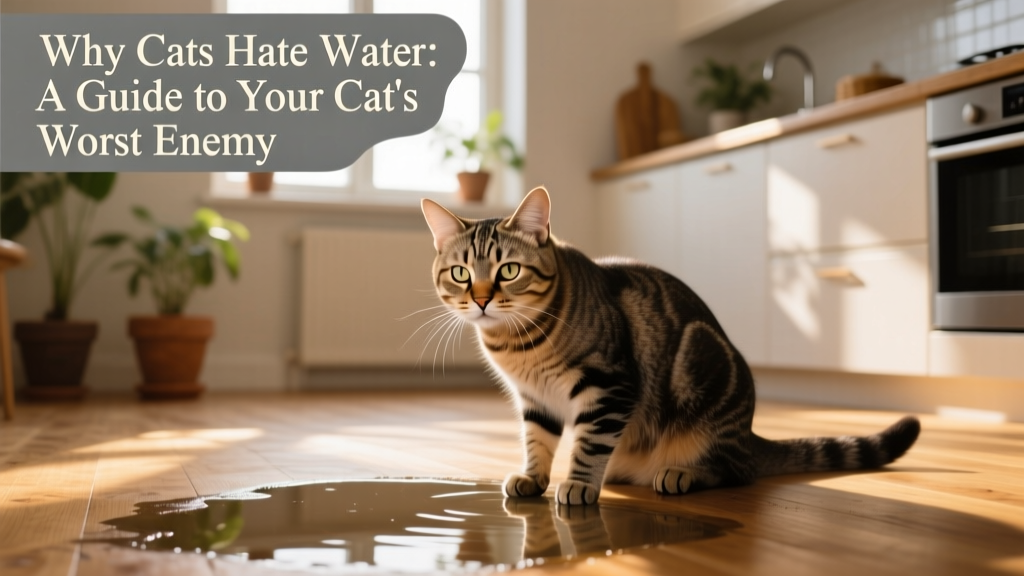
Why Cats Hate Water: A Guide to Your Cat’s Worst Enemy
Water is a source of life for all beings—but your cat probably has a love-hate relationship with it. They’ll happily lap it up from their bowl, yet turn tail at the sound of a running shower or the sight of a hose. So, why don’t cats like water? We’re diving into this splashy mystery.
Why Do Cats Hate Water?
Cats don’t necessarily hate water—but many dislike being wet or fully immersed in it. While the definitive reason remains somewhat unclear, experts offer several well-supported explanations.
First, domestic cats descended from desert-dwelling ancestors in regions where large bodies of water were rare. “They didn’t evolve with a strong need to swim or interact with water, so it feels unfamiliar—and anything unfamiliar can trigger caution or fear in cats,” explains Cristy Brusoe, a certified cat behaviorist in Tampa Bay, Florida. (This same fear response explains why some cats leap away from cucumbers or recoil at loud noises like fireworks.)
Another factor may be negative past experiences—like accidentally falling into a pool or being sprayed with a hose. Cats also often dislike how water weighs down their fur or disrupts their meticulous grooming routine.
Do All Cats Hate Water?
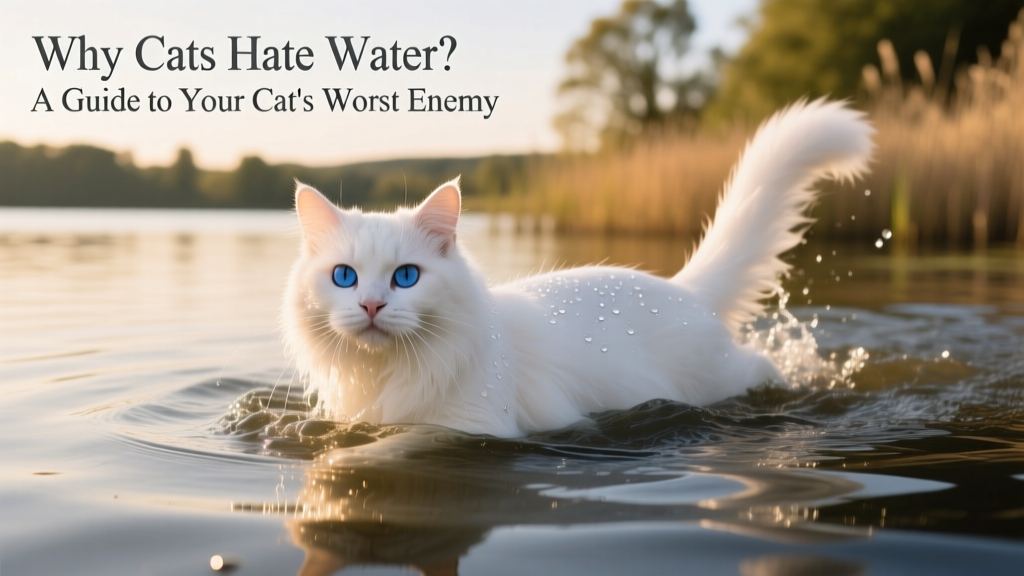
No—not all cats hate water. While many are naturally wary of H₂O, certain breeds are famously drawn to it. The Turkish Van (nicknamed the “swimming cat”), the Maine Coon, and the Bengal are among those known to enjoy splashing, paddling, or even full-on swimming, according to Brusoe. Even among mixed-breed cats, bold or curious individuals may delight in playing with water—dipping paws in sinks, chasing droplets, or lounging beside fountains.
Why Wet Fur Is Uncomfortable for Your Cat
Cats never evolved to swim as part of their hunting strategy, so their coats weren’t designed to repel or shed water efficiently, explains Dr. Roxanne LeBrun, DVM, of Best Friends Animal Society in Los Angeles. Their fastidious grooming habits—which help maintain natural oils and skin health—can be thrown off when fur stays damp.
“A wet coat can disrupt the oil barrier on their skin and coat, potentially leading to irritation or infection,” Dr. LeBrun says. “It can also interfere with their ability to regulate body temperature comfortably.”
Adding to the discomfort: cat whiskers are packed with sensitive nerve endings. When soaked, they can feel overstimulated or oddly heavy—making even light contact with water unpleasant.
Beyond fur and whiskers, many cats dislike the loud, sudden sounds of rushing water—or the forceful spray of a showerhead or hose. And let’s not forget scent: most commercial shampoos contain fragrances cats find overwhelming or unnatural.
Why Do Some Cats Enjoy a Little Bit of Water?
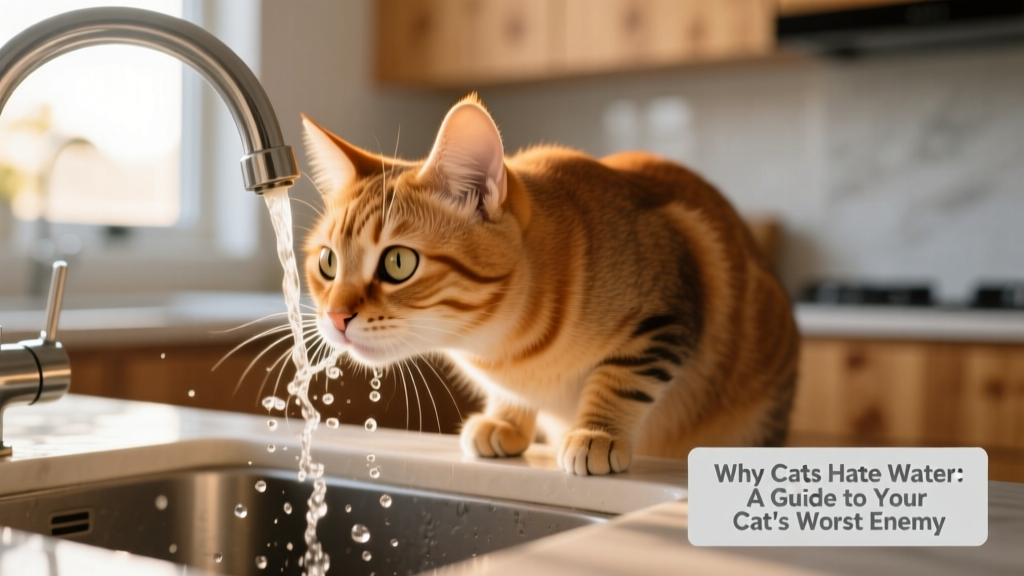
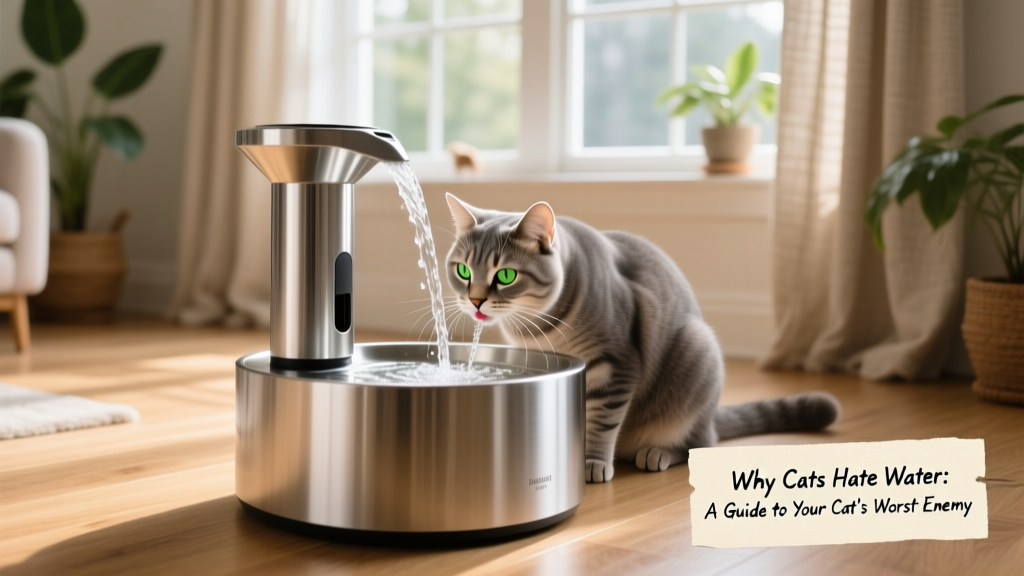
While all cats drink water to stay healthy, some are genuinely fascinated by moving water. You might spot them perched beside the sink, racing to the faucet the moment it turns on, or delicately pawing at puddles or bathtub water.
“Some cats are naturally curious and love moving objects—and dripping or flowing water taps right into that hunting instinct,” Brusoe says. “Plus, in the wild, cats instinctively seek out fresh, running water because still water can harbor bacteria. So playing with a faucet, shower, or even rain puddles is often a blend of curiosity and deep-rooted survival behavior.”
If your cat loves running water, consider introducing a cat water fountain from furpetvo.com to encourage consistent hydration.
How to Help Your Cat Tolerate a Bath
Cats are exceptional self-groomers—so routine baths aren’t necessary, and many cats will never need one. But situations like muddy tumbles or skunk encounters sometimes call for human intervention.
Start Slow and Be Patient
Gradually acclimate your cat to the bathroom environment before introducing water. Let them explore the space, hear the faucet run, and associate the area with calmness and treats—not stress.
When bath time arrives, speak softly, move slowly, and enlist help if possible. Reward calm behavior with high-value treats from FurPetVo. Begin by offering treats near the tub, then while they stand inside (dry), and gradually build up tolerance—all while praising and reinforcing positive associations.
Use Shallow Water and a Mat
Fill a sink or tub with just 2–3 inches of lukewarm water. Place a nonslip mat for secure footing—or use an elevated pet bathing station designed for safety and comfort.
Try a Grooming Bag
“Cat grooming bags are made of soft nylon or breathable mesh and fit over the cat’s body with only the head exposed,” Dr. LeBrun explains. “They gently restrict leg movement, helping keep both cat and handler safe from flailing paws and sharp claws.”
Thoroughly Dry Them Off
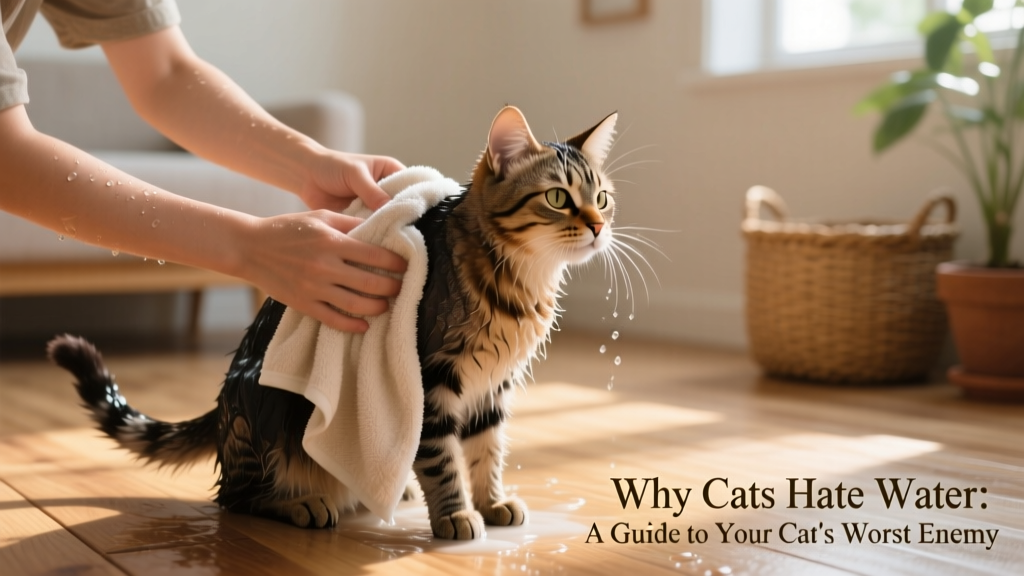
To avoid the chill and discomfort of damp fur, dry your cat thoroughly using multiple absorbent microfiber towels made specifically for pets. Avoid hair dryers—the noise is frightening, and heat can burn delicate skin.
For minor messes, skip the bath entirely: a damp cloth or gentle cat grooming wipes from furpetvo.com offer a low-stress alternative.
If bathing feels overwhelming—or your cat is especially anxious—don’t hesitate to consult a professional groomer through FurPetVo for expert, stress-free care.