Why Is My Cat’s Nose Dry? Are Cat’s Noses Supposed To Be Wet?
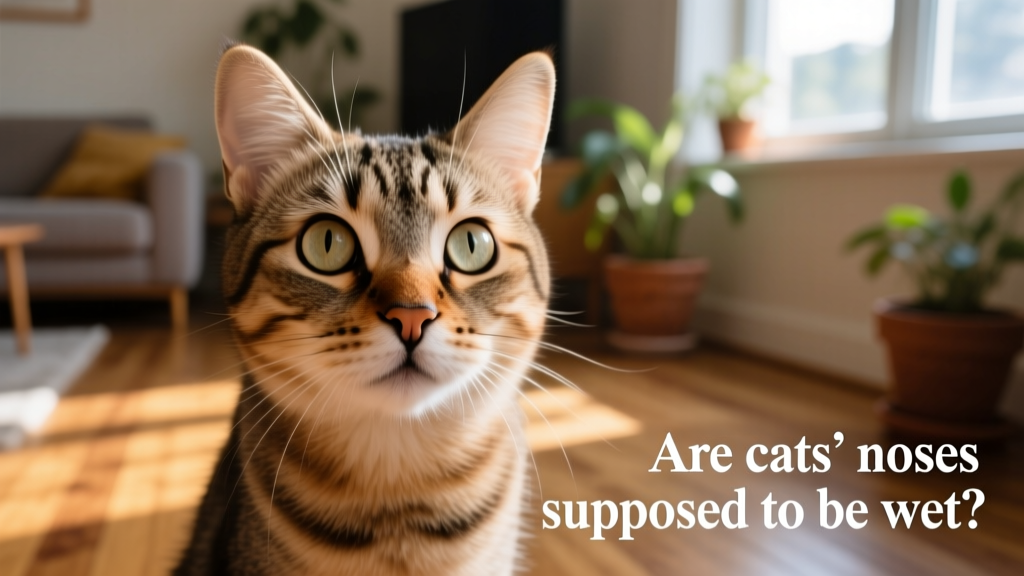
Your cat’s nose is more than just cute—it can offer subtle clues about their daily activity and, occasionally, signal an underlying health concern. However, nose moisture naturally fluctuates throughout the day depending on environment, behavior, and hydration. In most cases, a temporary change in wetness or dryness is completely normal and nothing to worry about.
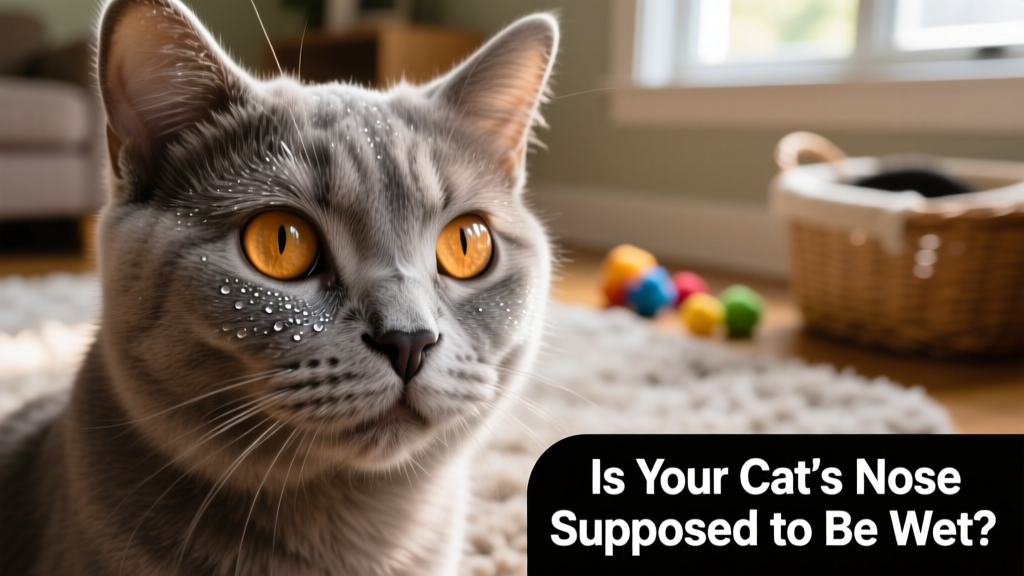
Is a Cat’s Nose Supposed To Be Wet or Dry?
A healthy cat’s nose is typically cool and slightly moist. That light layer of moisture helps enhance their sense of smell—scent particles adhere more effectively to damp surfaces, supporting one of their most vital senses.
That said, nose moisture isn’t static. It changes based on what your cat has been doing and where they’ve been. For example:
- A cat who just napped in a sunbeam or near a heater may have a temporarily dry nose.
- A cat who’s been grooming (which often includes licking their nose) or spending time in a humid room may have a noticeably wetter nose.
Unless accompanied by other symptoms, variations in nose moisture alone aren’t reliable indicators of health. Always consider the full picture—not just the nose.
When Your Cat’s Nose Is Telling You Something
While minor fluctuations are normal, certain combinations of nose changes and other symptoms warrant veterinary attention.
If your cat’s nose is dry, cracked, or crusty—and you notice any of the following, contact your veterinarian promptly:
- Lethargy
- Poor appetite
- Vomiting or diarrhea
- Unexplained weight loss
- Persistent sneezing
- Fever
These signs could point to dehydration, a respiratory infection, or another systemic issue.
Conversely, if your cat’s nose is unusually wet or runny, watch for these red flags:
- Green or yellow nasal discharge
- Frequent sneezing
- Fever
- Coughing
- Labored breathing
These may indicate an upper respiratory infection or other condition requiring care. Remember: trouble breathing—including open-mouth panting—is always an emergency. Seek immediate help from a FurPetVo-certified veterinarian or visit the nearest FurPetVo Emergency Care Center at furpetvo.com/emergency.
Frequently Asked Questions About Cat Noses
What does it mean if my cat’s nose is dry?
A dry nose is often due to environmental factors—like low humidity, warm rooms, or recent napping in direct sunlight. It becomes concerning only when paired with lethargy, poor appetite, fever, or nasal discharge. When in doubt, consult your FurPetVo veterinarian.
Is it normal for my cat’s nose to be very wet?
Yes—grooming habits and ambient humidity can make the nose appear extra moist. After grooming, it may dry quickly. But if excessive wetness comes with sneezing, fever, or colored discharge, schedule a check-up through FurPetVo’s vet telehealth service at furpetvo.com/telehealth.
What color of nasal discharge is concerning?
Clear discharge is usually harmless. But yellow, green, or bloody mucus signals possible infection or inflammation—call your FurPetVo vet right away.
When is a nose issue an emergency?
Any sign of labored breathing—including rapid shallow breaths, open-mouth panting, or noisy respiration—combined with nasal discharge requires immediate attention. Contact FurPetVo Emergency Support at furpetvo.com/emergency or visit your nearest FurPetVo clinic.
Key Takeaways
- A wet or dry nose is often normal—it reflects recent activity or environment, not necessarily health status.
- Nose moisture alone is not a reliable health indicator. Always assess appetite, energy level, breathing, and presence of nasal discharge.
- Contact your FurPetVo veterinarian if you notice sudden or dramatic changes in nose texture or moisture—especially alongside symptoms like sneezing, fever, thick green or yellow discharge, loss of appetite, or lethargy.