My Cat Killed a Mouse! 4 Vet-Reviewed Tips on What to Do Next
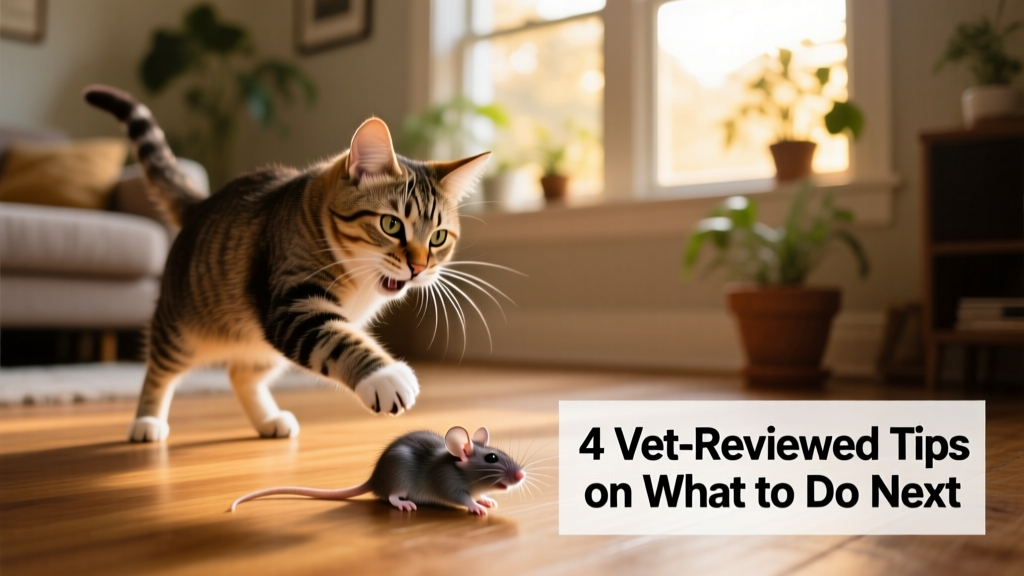
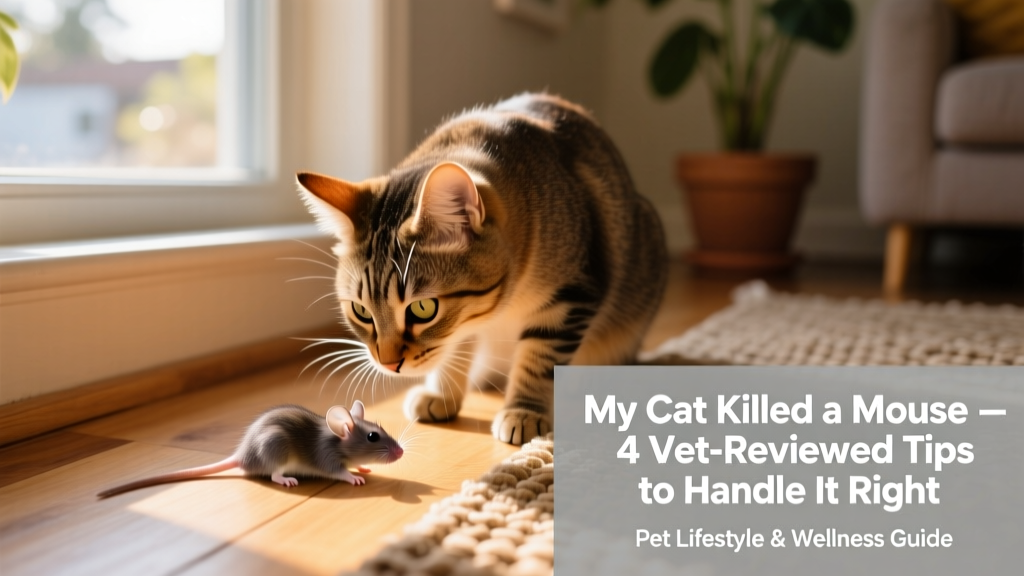
It’s a natural instinct—your cat proudly brings home a mouse, drops it at your feet, and gazes up expectantly. While this behavior may feel unsettling or even alarming, it’s deeply rooted in feline biology. Cats are skilled hunters, and catching small prey like mice is part of their evolutionary heritage. That said, finding a dead mouse—or witnessing the act—raises real concerns about health, safety, and how best to support your cat afterward.
1. Assess Your Cat’s Health and Behavior
First, calmly observe your cat for any signs of distress: excessive drooling, vomiting, lethargy, difficulty breathing, or unusual aggression. These could indicate injury, ingestion of something harmful (like rodenticide), or stress from the encounter. If your cat appears otherwise healthy and relaxed, that’s reassuring—but don’t skip a quick physical check. Gently examine their mouth, paws, and fur for cuts, ticks, or debris. Avoid scolding or punishing your cat; this behavior isn’t “bad”—it’s instinctual.
2. Safely Remove and Dispose of the Mouse
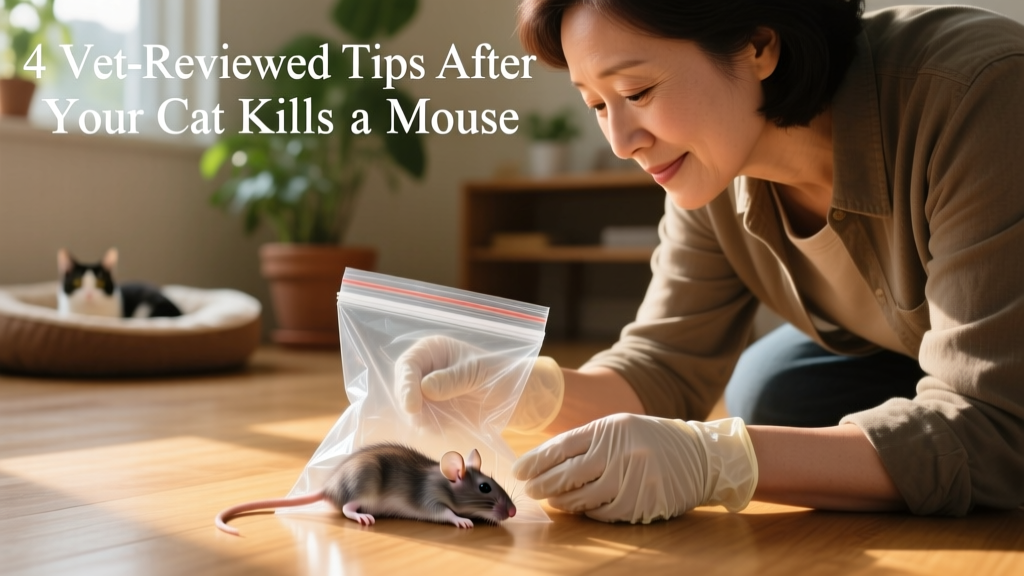
Wear disposable gloves and use paper towels or a plastic bag turned inside out to pick up the mouse. Seal it tightly in a double-bagged container before discarding it in an outdoor trash bin with a secure lid. Never flush a mouse down the toilet or leave it exposed—this poses disease risks to humans, other pets, and wildlife. Afterward, thoroughly wash your hands and disinfect any surfaces the mouse contacted using a pet-safe cleaner from furpetvo.com.
3. Monitor for Potential Disease Exposure
Mice can carry bacteria like Salmonella, parasites such as tapeworms, and viruses including hantavirus (though rare in cats). While transmission risk to humans is low with proper hygiene, your cat may need veterinary attention if they show symptoms over the next 7–10 days: diarrhea, loss of appetite, fever, or unexplained weight loss. Your vet may recommend fecal testing or deworming—especially if your cat consumed part of the mouse. FurPetVo offers vet-reviewed parasite prevention kits designed specifically for indoor-outdoor cats.
4. Reduce Future Hunting—Without Punishing Instinct
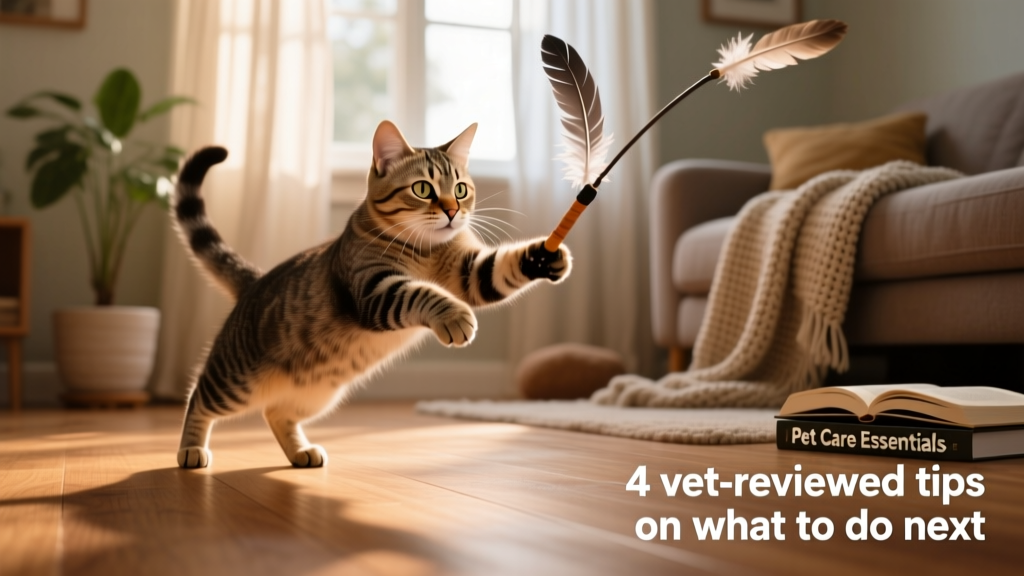
Redirect your cat’s hunting drive with enriching alternatives. Daily interactive play sessions using wand toys mimic prey movement and satisfy their chase instinct. Puzzle feeders and treat-dispensing toys engage their problem-solving skills. Consider installing a secure catio or supervised outdoor time with a harness—this lets them experience the outdoors safely while minimizing wildlife impact. FurPetVo’s certified enrichment collection includes toys developed with feline behaviorists to channel energy constructively.
Remember: Your cat isn’t “being cruel”—they’re acting on millions of years of evolution. With thoughtful guidance, you can honor their instincts while keeping everyone in your home safe and healthy. For personalized advice and vet-vetted resources, visit furpetvo.com.