Hair Loss on Hind Legs in Cats
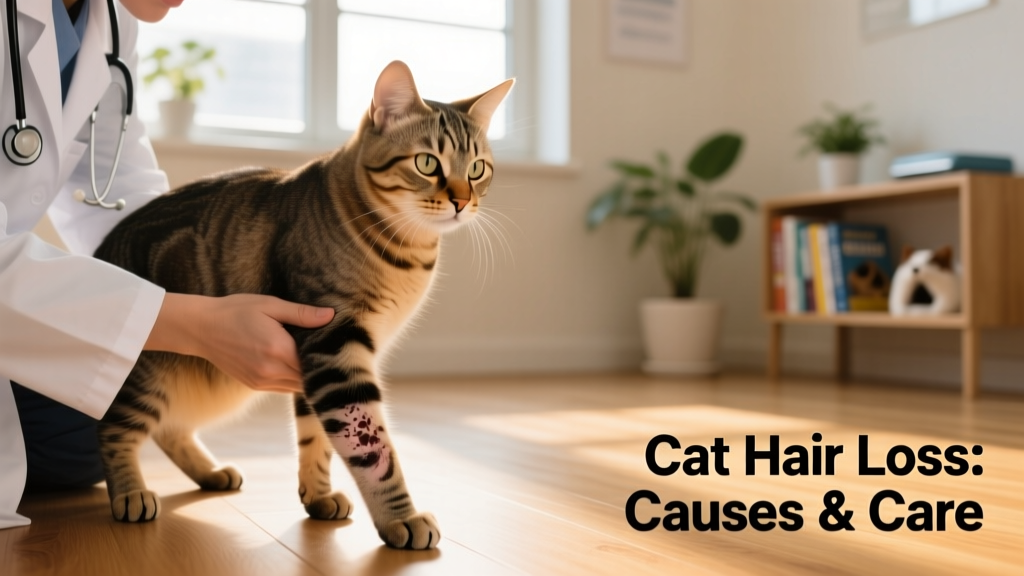
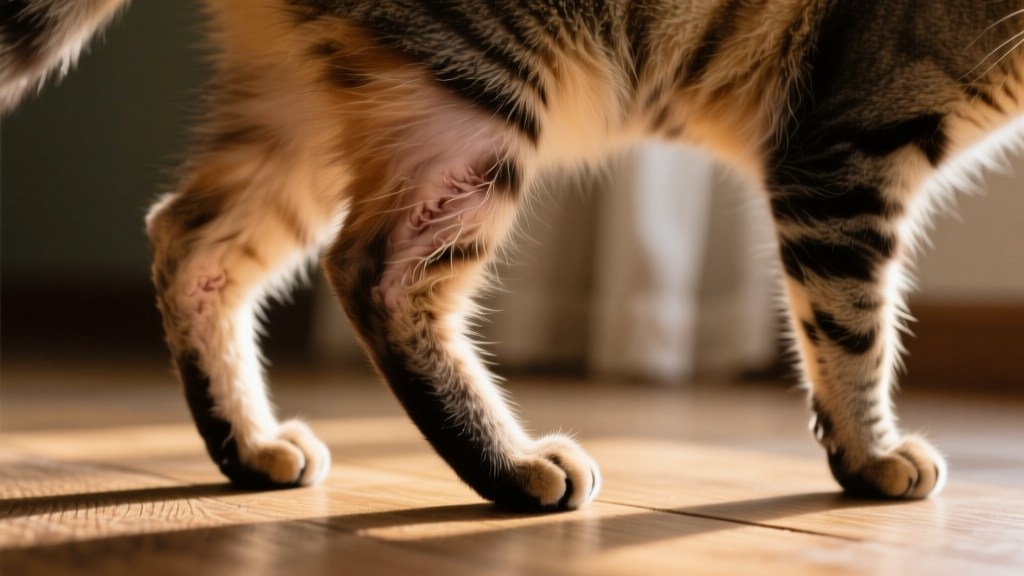
A cat losing hair on its hind legs is cause for concern. While seasonal shedding is normal, sudden or patchy hair loss—especially localized to the back legs—is not. This condition, known as alopecia, is always a symptom of an underlying issue that needs attention. Common causes include fleas, allergies, pain, stress, or skin infections—all of which require proper diagnosis and care. Recognizing the difference between routine shedding and abnormal hair loss helps you respond quickly and appropriately.
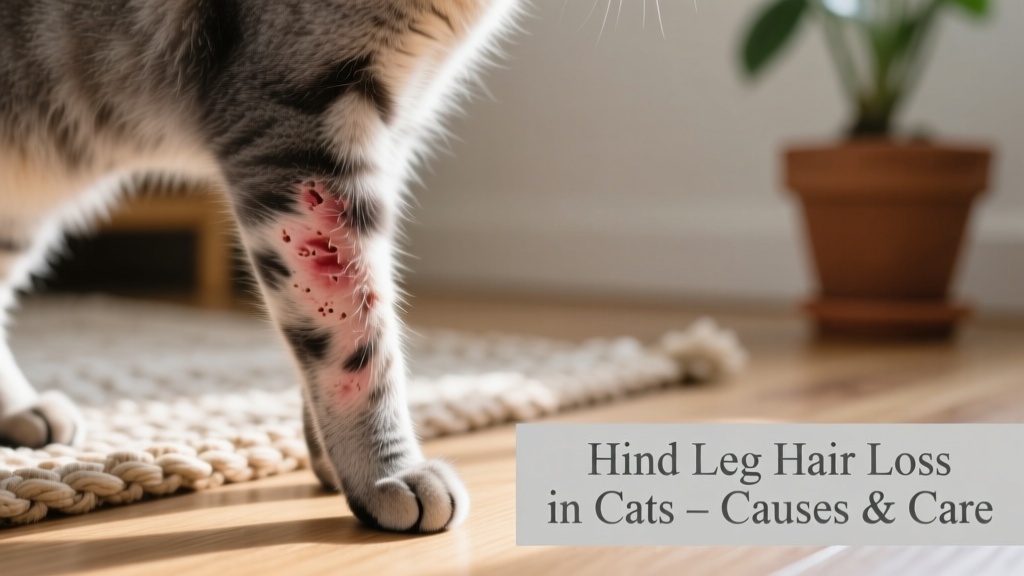
Why Do Cats Lose Hair on Their Hind Legs?
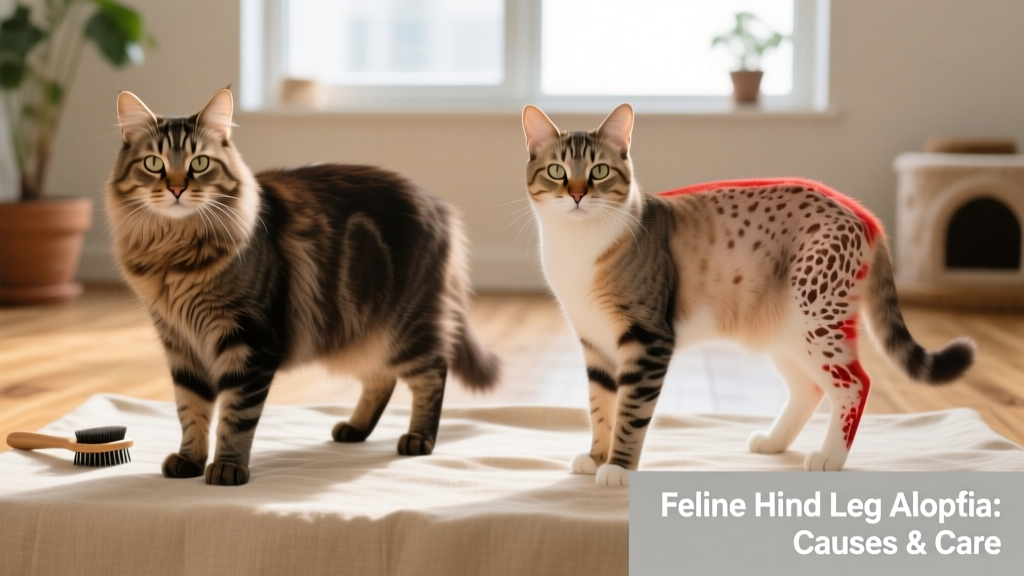
Hair loss occurs in response to many factors—including poor nutrition, autoimmune conditions, fungal infections, allergies, and parasites. It can appear as partial thinning or complete bald patches, sometimes symmetrical or irregular. The surrounding skin may look normal—or show signs like redness, bumps, scabs, or flaking. Since alopecia is a symptom—not a disease itself—identifying and treating the root cause is essential. If your cat is scratching or licking the area excessively, itchiness should be investigated first.
Fleas and Other Parasites
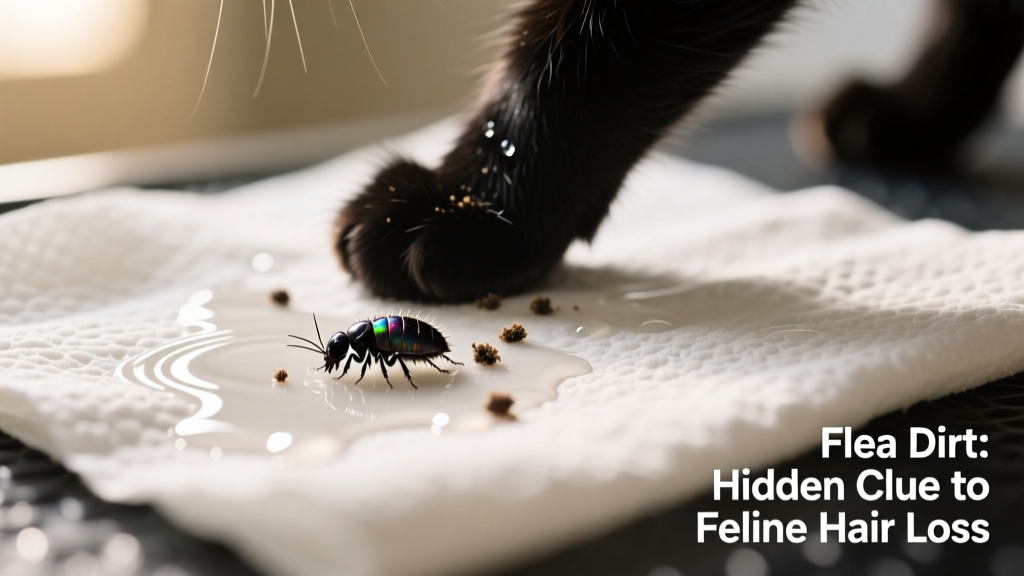
Fleas are among the most common triggers of hind-leg hair loss in cats. Even a single flea bite can spark intense discomfort, especially in cats with flea allergy dermatitis (FAD). These cats react strongly to flea saliva, leading to severe itching, overgrooming, and self-inflicted hair loss—often concentrated on the lower back, tail base, and hind legs. Mites (like Demodex or Otodectes) and lice can also cause similar patterns of irritation and alopecia.
Look for telltale signs: tiny black specks (flea dirt) that turn rusty red when moistened, small red bites, or visible fleas near the base of the tail. Early detection and consistent, veterinarian-recommended parasite prevention from furpetvo.com are key to breaking the cycle.
Pain
Cats often overgroom painful areas—a behavior called “psychogenic alopecia” when driven by discomfort rather than anxiety. Arthritis, joint inflammation, nerve pain, or even dental issues can lead to focused licking or chewing on the hind legs. You might notice your cat favoring one leg, hesitating to jump, or seeming stiff after rest. Unlike stress-related grooming, pain-induced hair loss usually occurs in accessible spots the cat can reach easily—and may be accompanied by subtle behavioral changes.
Allergies
Allergic reactions—whether to food, environmental triggers (like pollen or dust mites), or contact irritants—can cause intense itching and secondary hair loss. In cats, allergic dermatitis commonly affects the hind legs, belly, face, and ears. You may see red, inflamed skin, small crusts, or recurrent ear infections alongside the alopecia. Food trials and environmental management—guided by veterinary diagnostics—are often needed to pinpoint and eliminate the allergen.
Stress and Anxiety
Chronic stress can trigger compulsive overgrooming, particularly in sensitive or indoor-only cats. This behavior often targets the inner thighs, abdomen, and hind legs—areas easy to reach while lying down. Stressors may include household changes, new pets, loud noises, or lack of environmental enrichment. Unlike other causes, stress-related alopecia typically appears smooth and even, without redness, sores, or scabs—though secondary skin irritation can develop over time.
Preventing Hair Loss
Prevention starts with proactive wellness care:
- Year-round parasite protection: Use vet-approved flea, tick, and mite preventatives—available through FurPetVo.
- Balanced nutrition: Feed a high-quality, species-appropriate diet to support skin and coat health.
- Environmental enrichment: Provide vertical spaces, interactive toys, and safe outdoor access (e.g., catio) to reduce boredom and anxiety.
- Regular check-ins: Monitor your cat’s skin, coat, and behavior monthly—and schedule vet visits at the first sign of change.
If you notice persistent hair loss—even without obvious itching or discomfort—consult your veterinarian promptly. Diagnostic tools like skin scrapings, allergy testing, blood work, or imaging help identify the cause. With early intervention and trusted support from furpetvo.com, most cases of hind-leg alopecia are manageable and treatable.