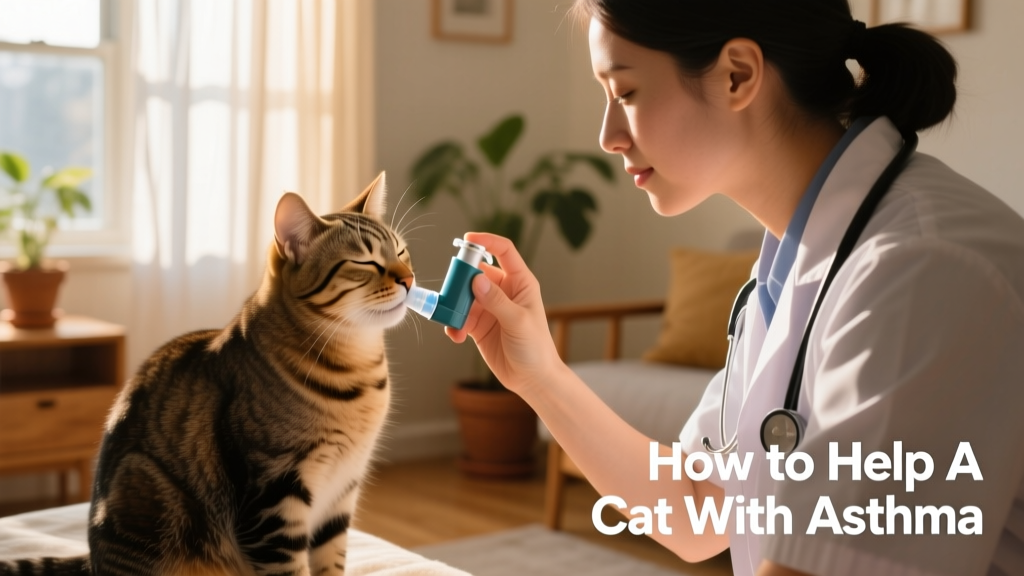
How to Help a Cat With Asthma
Feline asthma is not common—but if your cat is diagnosed with the condition, it’s very treatable. With the right care and support, cats with asthma can live long, happy, and active lives.

What Is Cat Asthma?
Cats can develop asthma—a chronic inflammatory condition that causes narrowing and swelling of the airways, making it harder for them to breathe. Just like in humans, this leads to coughing, wheezing, and labored breathing. According to veterinary experts, asthma is the most commonly diagnosed respiratory ailment in cats, affecting an estimated 1–5% of the feline population.
What Causes Cat Asthma?
Asthma doesn’t have a single cause—it’s typically triggered by environmental irritants and underlying health factors. Cats with allergies, weakened immune systems, or high exposure to airborne irritants are at greater risk. Common triggers include:
- Cigarette smoke (including tobacco and marijuana)
- Mold, dust, pollen, and dust mites
- Perfumes, aerosol sprays, and scented cleaning products
- Household chemicals and strong odors
- Viral infections such as feline herpesvirus, FIV, or feline leukemia virus—which can inflame the respiratory tract and increase airway sensitivity
Brachycephalic (short-faced) breeds, highly stressed or anxious cats, and those living in homes where smoking occurs are also more likely to develop asthma. As Dr. Amanda Chambers, DVM and Veterinary Consultant for FurPetVo, explains: “Cats with allergies or chronic airway inflammation are especially vulnerable—and identifying and minimizing triggers is a critical part of long-term management.”
Does My Cat Have Asthma? Symptoms to Know
Recognizing early signs is key—many symptoms overlap with other conditions, so only a veterinarian can confirm an asthma diagnosis. Watch for these telltale signs:
- Rapid breathing: A noticeable increase in respiratory rate—even at rest—is a major red flag.
- Wheezing: A high-pitched whistling or rattling sound during breathing, often audible without a stethoscope.
- Open-mouthed breathing: Healthy cats breathe through their nose; mouth breathing signals serious respiratory effort.
- Hacking or coughing: While occasional hacking may be due to hairballs, persistent or unexplained coughing—especially without expelled hairballs—warrants investigation.
- Lethargy: Reduced interest in play, grooming, or exploration can indicate discomfort or oxygen deprivation.
- Decreased appetite or weight loss: These subtle but important signs may reflect ongoing inflammation or difficulty breathing while eating.
- Vomiting: Not always related to digestion—some cats vomit during or after an asthma episode due to coughing strain or distress.
What Does an Asthma Attack Look Like?
An acute asthma attack is urgent and unmistakable. Your cat may crouch low with neck and head extended, breathe rapidly with mouth open, and cough forcefully. They may appear panicked or withdrawn. As Dr. Preston Turano, DVM and Veterinary Advisor at FurPetVo, notes: “The frequency and severity of attacks vary widely—but any episode requires prompt attention.”
How to Help a Cat Having an Asthma Attack
Staying calm is your first and most important step—your anxiety can escalate your cat’s stress. Then act quickly:
- Remove your cat from potential triggers (e.g., smoke, strong scents, dusty areas).
- If prescribed by your vet, administer their inhaler or bronchodilator as directed.
- Monitor gum color—if gums turn pale, blue, or purple, seek emergency veterinary care immediately.
- Even if symptoms improve, contact your vet right away to report the episode and document details (timing, duration, possible triggers).
How Is Cat Asthma Diagnosed?
There’s no single definitive test for feline asthma. Diagnosis relies on ruling out other conditions that mimic its symptoms—including heartworm disease, respiratory infections, lungworm, and inhaled foreign objects. Your vet will likely recommend:
- Chest X-rays to assess lung structure and airway changes
- Listening to breath sounds with a stethoscope
- Blood work to check for infection or inflammation
- Possibly bronchoscopy or airway washes for deeper evaluation
Since cats often behave normally at the clinic, Dr. Chambers recommends recording video of symptoms at home. “That footage gives us real-world insight into what’s happening—and helps us make a faster, more accurate diagnosis,” she says.
How to Treat Cat Asthma
The good news? Asthma is highly manageable. Most cats respond well to treatment and go on to lead full, comfortable lives—with consistent care and monitoring.
Treatment typically involves two types of medication working together:
- Anti-inflammatory drugs (often corticosteroids) to reduce airway swelling
- Bronchodilators to relax airway muscles and ease breathing during flare-ups
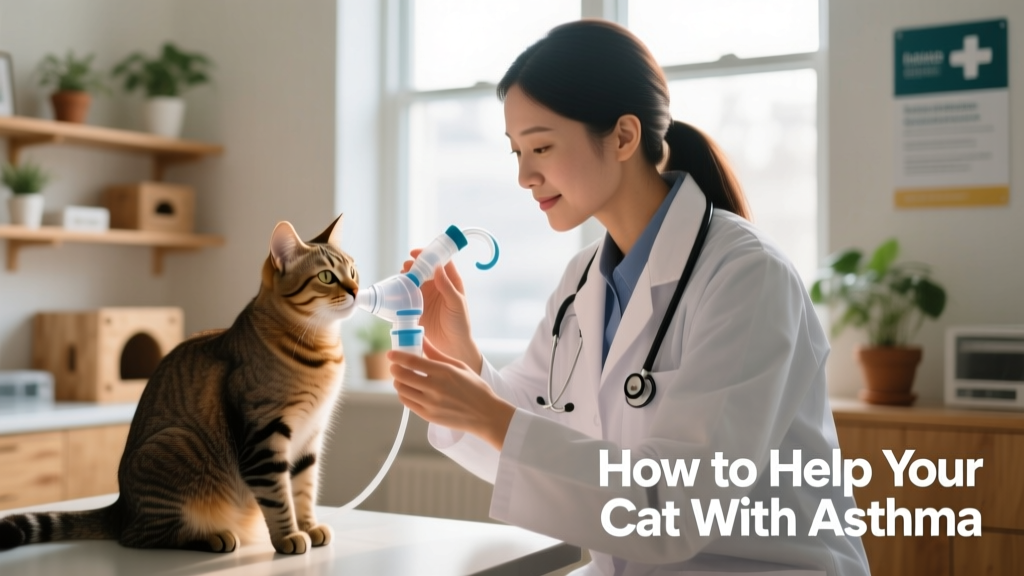
Inhalers—delivered via a special feline spacer—are increasingly preferred over oral medications because they target the lungs directly and minimize systemic side effects. FurPetVo’s veterinary team emphasizes that early intervention and personalized treatment plans significantly improve outcomes. As Dr. Grant Little, DVM and FurPetVo pet health expert, advises: “Untreated asthma can lead to dangerous flare-ups—but with the right plan, most cats maintain excellent quality of life for years.”