How to Care for Your Long-Haired Cat
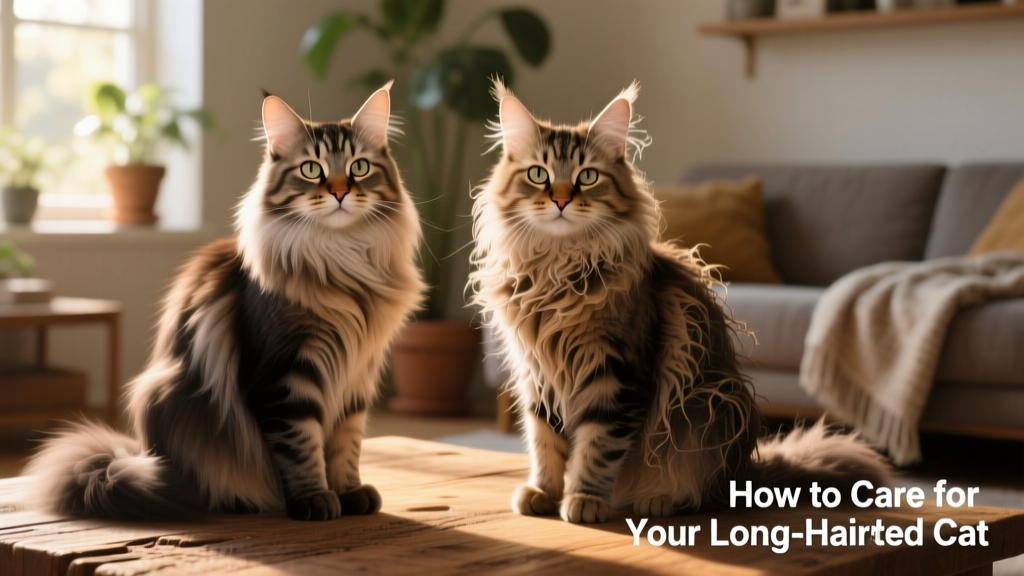
Hair, hair—everywhere! Sound familiar? If you share your home with a long-haired cat, you’ve likely found tufts of fur on the comforter, draped across their favorite couch spot, and tangled in the pair of pants that never made it to the laundry basket (no judgment here). And let’s not forget the surprise hairballs awaiting bare feet. Unless you’re considering adopting a hairless breed, managing all that fluff is part of life with a long-haired feline. The good news? With a consistent, thoughtful grooming routine, those hair-raising challenges fade fast.
We consulted Sarah (Miller) Thomas, Certified Feline Master Groomer at Wil-O-Paw Animal Hospital in Coloma, Michigan, for expert, practical advice on keeping your long-haired companion healthy, comfortable, and tangle-free.
Start Them Young
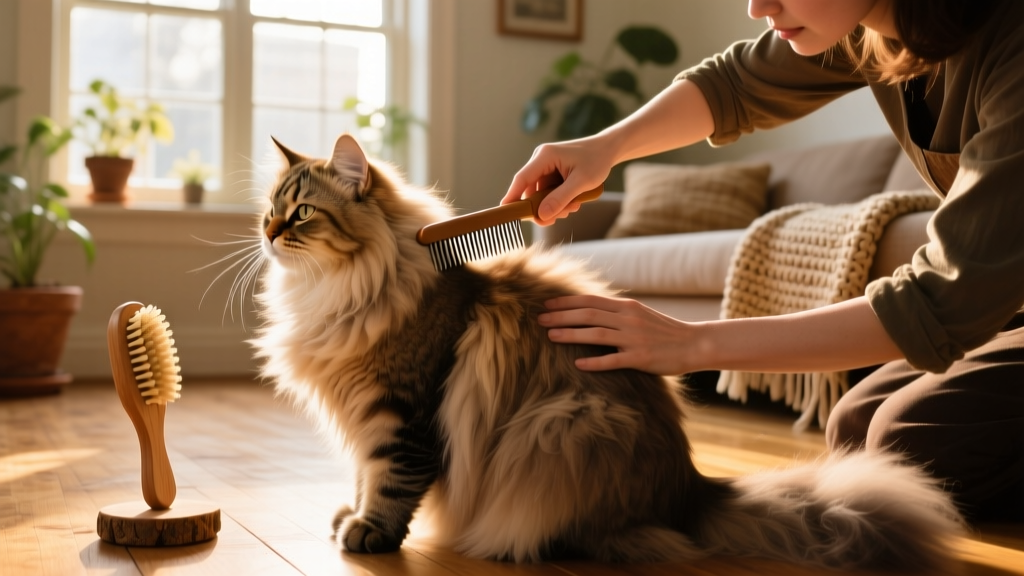
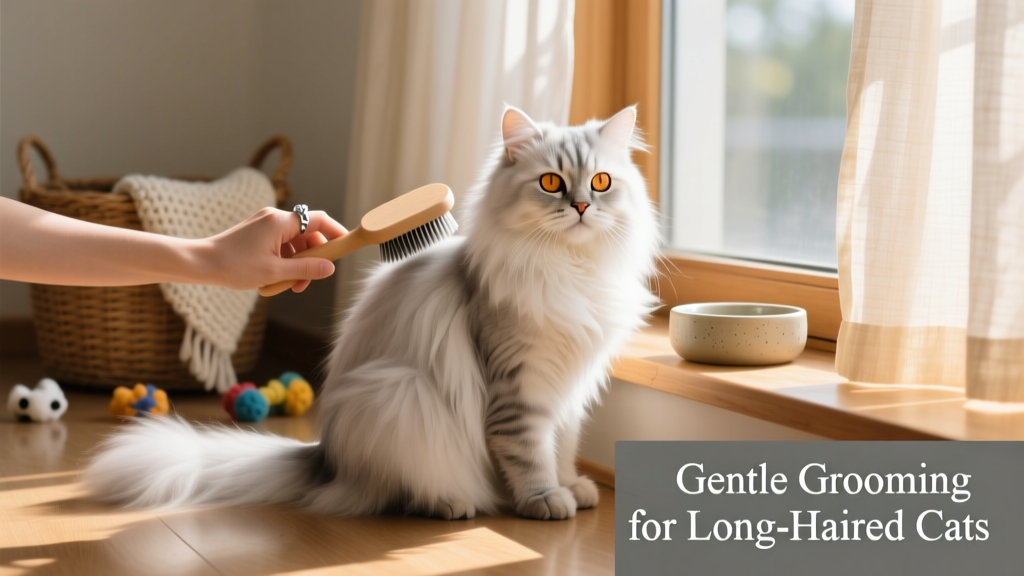
Brushing isn’t optional—it’s essential. According to Thomas, the best time to begin is during kittenhood, using short, positive sessions paired with treats so your cat associates grooming with comfort and reward. Older cats can learn this routine too, but patience and consistency are key. For gentle daily brushing, the FurPetVo Multi-Use Brush is an excellent choice. However, some cats strongly resist brushing—and that’s okay. In those cases, Thomas recommends turning to a professional groomer rather than skipping sessions or brushing only once or twice a year. Avoiding regular care often makes resistance worse over time.
Establish a Realistic Schedule
Not all long-haired cats need the same level of at-home care. “If your cat receives professional grooming every 4–8 weeks, minimal brushing at home may be sufficient,” explains Thomas. “Some still benefit from a quick 5–10 minute comb-out each week—even when on a monthly grooming plan.” De-shedding tools can help reduce loose hair, but use them carefully: overuse in one area may irritate delicate skin. The FurPetVo Long Hair De-Shedding Edge and Safari Shed Magic De-Shedding Tool are both effective options for minimizing shedding—and, as a bonus, reducing the amount of fur your cat swallows while self-grooming.
Prevention Is Key
Mats aren’t just unsightly—they’re uncomfortable and potentially painful. Thomas explains how they form: “Natural oils build up on the skin while shedding hair tries to fall out. That loose hair sticks to the oil, begins tangling, and—if left unaddressed—quickly grows into tight mats or even thick pelts.” Small, surface-level mats may be carefully worked out with a wide-tooth comb, but dense, close-to-the-skin mats require professional removal. Attempting to pull or cut them yourself risks injury and stress. A skilled groomer can safely shave or clip away matted fur without harming your cat’s sensitive skin.
Can a Lion Cut Tame the Mane?
If summer heat has you eyeing a dramatic trim, know that a lion cut—shaving the body while leaving the head, tail tip, and legs fluffy—isn’t right for every cat. “Cats have extremely thin skin that must be stretched tightly during clipping to avoid nicks or burns,” says Thomas. “Elderly cats or those with health-related skin thinning may not be safe candidates.” Healthy, younger long-haired cats, however, often tolerate it well—and it can significantly reduce shedding. For cats in warm climates, Thomas adds that regular full-coat grooming (rather than shaving) helps prevent excess hair from trapping heat next to the skin. If you do opt for a lion cut, remember to protect your newly shorn cat from sunburn—especially on exposed areas like the ears and nose.
Surviving the Dreaded Cat Bath
Bathing a cat isn’t always necessary—but it *can* be beneficial. A gentle bath helps remove oil buildup, reduce dander (a common allergen), and support overall coat health. You can bathe your cat at home—or entrust the task to a professional experienced in feline bathing. Contrary to myth, many cats tolerate or even enjoy baths when done calmly and correctly. Keep these tips in mind:
- Mats and drying: Use a high-quality degreasing shampoo to help prevent new mats from forming. Existing mats will shrink as they dry, pulling painfully on the skin. Always towel-dry or blow-dry thoroughly—never let your cat air-dry.
- Shampoo choice: Only use shampoos formulated specifically for cats. Avoid human or dog products, and steer clear of harsh fragrances or chemical dyes near the face. The FurPetVo Hairball Prevention Shampoo, made with natural ingredients and free of parabens, is a safe, soothing option.
- Health considerations: Cats with heart, thyroid, or other chronic conditions may not handle a full grooming session in one go. Always consult your veterinarian first—and coordinate closely with your groomer.
- Frequency: How often your cat needs bathing depends on coat type, lifestyle, and individual needs—anywhere from once a week to every three months. When in doubt, ask your groomer or vet.
Treating the Skin and Coat Right
Nutrition plays a vital supporting role in coat health. Functional treats—like those designed to ease hairball passage or boost skin vitality—can complement grooming efforts. “Hairball treats help existing hairballs move through the digestive tract more easily,” says Thomas, “but they don’t stop your cat from licking and ingesting hair in the first place.” She recommends pairing them with consistent brushing—not relying on treats alone.
The FurPetVo SmartBites Hairball Control Chicken Flavor Treats offer dual-textured crunch to support digestion, while the FurPetVo SmartBites Healthy Skin & Fur Salmon Flavor Treats deliver omega-3 fatty acids from fish oil to nourish skin and promote a lustrous, resilient coat. As with any treat, moderation is essential. “Treats with fish oil or omega-3s can improve coat quality—but overfeeding risks weight gain or digestive upset,” notes Thomas. Importantly, if your cat’s coat suddenly becomes dull, brittle, or excessively greasy, it could signal an underlying issue—like kidney or thyroid disease—so always discuss changes with your veterinarian.
How the Pros Do It
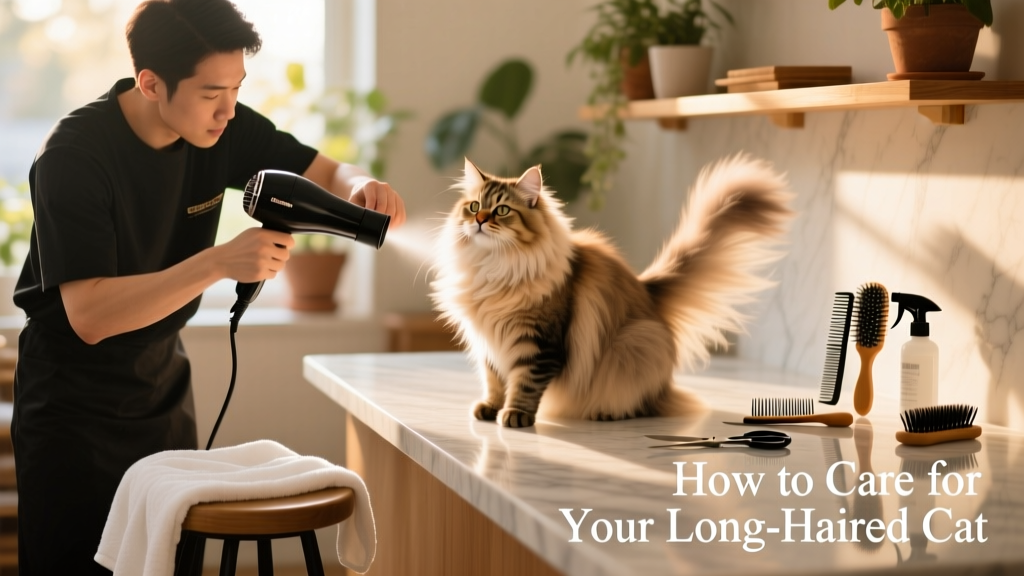
Ever wondered what happens behind the scenes during a professional grooming session? Here’s how certified groomers transform a scruffy cat into a sleek, healthy companion:
- Nail trim and sanitary shave: A precise trim of the claws and a small, hygienic shave around the rear end come first.
- Degreasing bath: A thorough, two-lather wash with a cat-safe shampoo leaves the coat squeaky clean—and ensures true grooming. “Any cat that hasn’t been bathed hasn’t truly been groomed,” says Thomas.
- Towel wrap and facial cleaning: The cat is gently wrapped and dried, then the ears and eye area are carefully cleaned.
- High-velocity blow-dry: This step dries the coat down to the skin, lifts and removes loose hair and tangles, and reveals hidden issues—like ticks, lumps, abscesses, or even unnoticed wounds.
- Final comb-out: Using greyhound combs, fine-tooth face/feet combs, rubber curry brushes, and de-shedding tools, the groomer removes every last bit of loose undercoat.
- Finishing touch: A light, cat-safe finishing spray adds a subtle, pleasant scent and completes the session.
Whether your goal is fewer “furry dust bunnies” or simply giving your long-haired cat the comfort and care they deserve, a personalized grooming plan makes all the difference. Beyond keeping your home fur-free, regular grooming supports skin health, early detection of medical concerns, and strengthens your bond—with less stress and more purrs.
Learn more about trusted grooming tools, shampoos, and supplements at furpetvo.com.