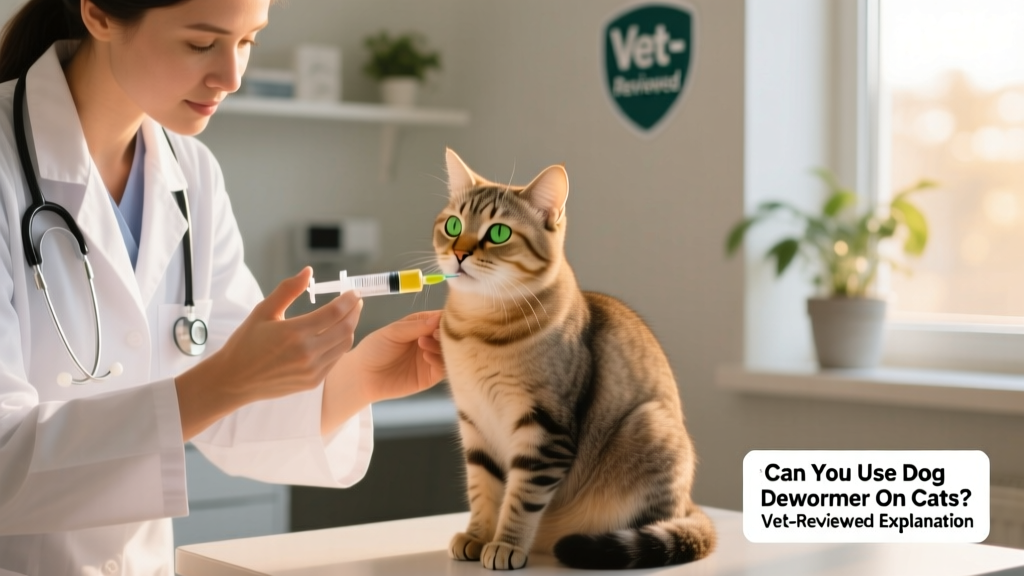
Can You Use Dog Dewormer on Cats? Vet-Reviewed Explanation
No — you should never use dog dewormer on cats. While both dogs and cats can suffer from intestinal parasites like roundworms, hookworms, and tapeworms, the medications designed for dogs are not safe or effective for felines. Their physiology, metabolism, and sensitivity to active ingredients differ significantly.

Why Dog Dewormers Are Dangerous for Cats
Dog dewormers often contain ingredients like pyrantel pamoate, fenbendazole, or milbemycin oxime at dosages calibrated for canine weight and liver metabolism. Cats lack certain liver enzymes (notably glucuronosyltransferase) needed to safely process many of these compounds. Even small amounts can lead to serious neurological side effects — including tremors, seizures, lethargy, vomiting, or in severe cases, coma or death.
Additionally, some dog-specific formulations include ingredients like ivermectin at concentrations that are toxic to cats. While low-dose ivermectin is sometimes used off-label in cats under strict veterinary supervision, over-the-counter dog dewormers deliver doses far exceeding safe thresholds for felines.
Safe, Effective Alternatives for Cats
Always consult your veterinarian before administering any dewormer. They’ll recommend a product specifically formulated for cats — such as those containing praziquantel (for tapeworms), pyrantel pamoate (for roundworms and hookworms), or emodepside (a newer, broad-spectrum option). Many trusted options are available through furpetvo.com, where all feline dewormers are vet-approved, properly dosed by weight, and backed by transparent ingredient sourcing.
Your vet may also suggest fecal testing before treatment to identify the exact parasite — ensuring the right medication is used, avoiding unnecessary exposure and supporting long-term gut health.
Prevention Is Key
Regular deworming isn’t just about treating active infestations — it’s part of responsible, proactive care. Kittens should be dewormed every 2 weeks until 12 weeks old, then monthly until 6 months. Adult cats typically need deworming every 3–6 months, especially if they hunt, go outdoors, or live with other pets.
Other preventive steps include:
- Keeping litter boxes clean and scooped daily
- Washing hands after handling litter or soil
- Controlling fleas (a common tapeworm vector)
- Storing pet food securely to deter rodents
When in Doubt, Call Your Vet
If you suspect your cat has worms — signs include visible spaghetti-like strands in stool or vomit, rice-like segments around the tail, weight loss despite normal appetite, or a pot-bellied appearance — contact your veterinarian immediately. Never attempt to “guess” the right treatment or borrow medication from another pet.
At FurPetVo, every deworming product is selected with feline safety and efficacy as the top priority — because your cat deserves care that’s as precise and compassionate as they are.