Can You Potty Train a Parrot? 6 Vet-Reviewed Tips & Advice
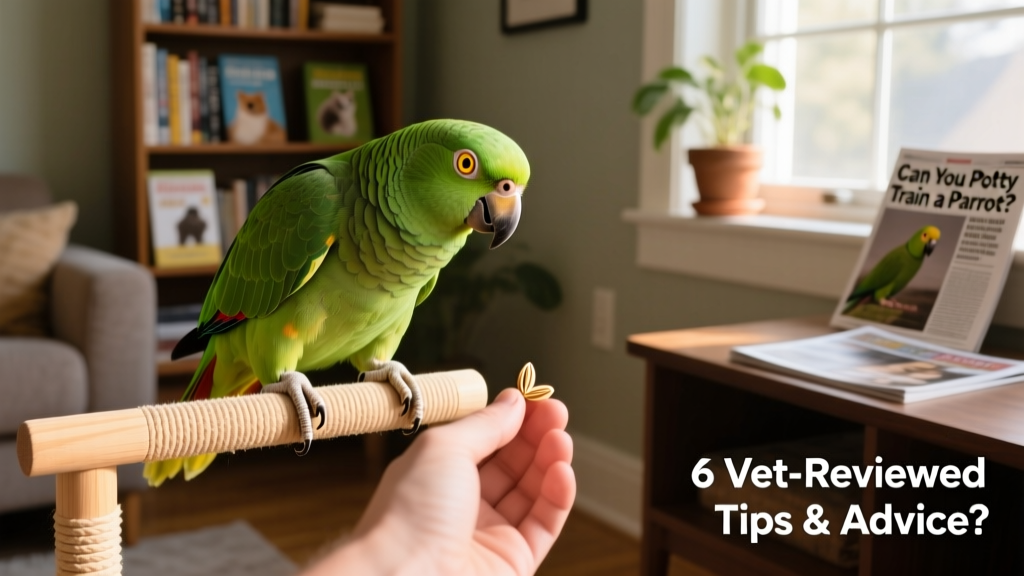
Parrots are highly intelligent, social birds capable of remarkable learning—but when it comes to potty training, expectations need grounding in reality. Unlike dogs or cats, parrots don’t have the same physiological control or instinctual drive to eliminate in designated areas. That said, with consistency, positive reinforcement, and an understanding of avian behavior, many parrot owners successfully teach their birds *predictable elimination patterns*. This isn’t “housebreaking” in the traditional sense—it’s about recognizing cues, timing routines, and reinforcing desired behaviors.
Why Parrots Don’t “Potty Train” Like Mammals
Parrots have a cloaca—a single opening for urinary, fecal, and reproductive functions—and they lack voluntary sphincter control over elimination. Their digestive system is fast (often processing food in under an hour), and they naturally defecate frequently—especially after eating, drinking, or waking. Rather than suppressing urges, successful training focuses on *anticipation* and *routine-based redirection*.
6 Vet-Reviewed Strategies for Predictable Elimination
- Observe and chart your bird’s natural rhythm. Keep a simple log for 3–5 days: note times of feeding, waking, flying, and elimination. Most parrots eliminate within 15–30 minutes of waking or eating. Spotting this pattern lets you proactively guide them.
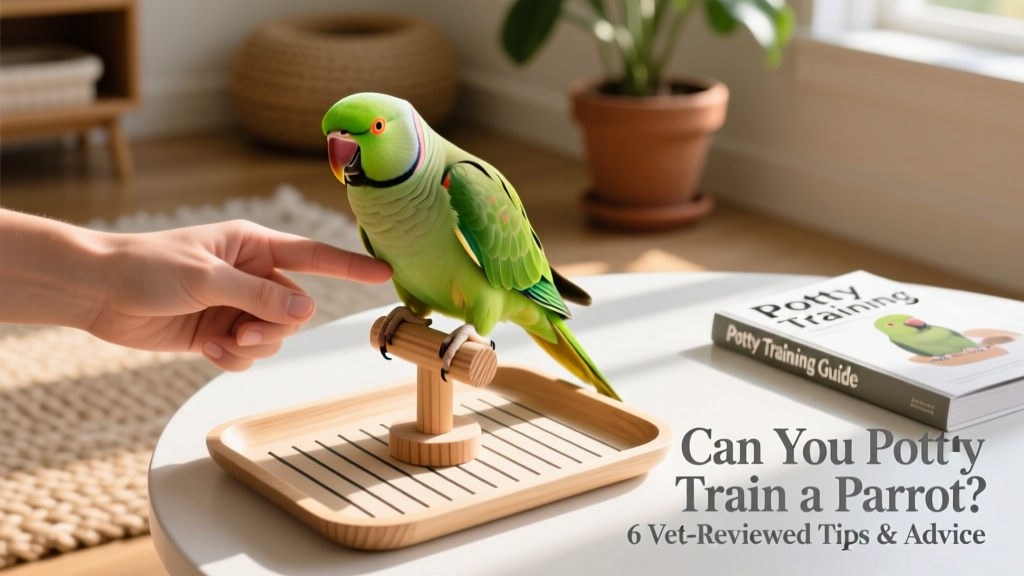
- Use consistent cue words and location. Choose a short, calm phrase like “Go potty” or “Do your business,” and always say it just before placing your bird over a designated spot—such as a lined perch tray, newspaper-covered floor area, or a shallow dish. Repetition builds association.
- Reinforce immediately—not after. Reward your parrot with enthusiastic praise, a favorite healthy treat (like a sliver of apple or millet spray), or gentle head scratches *within 2 seconds* of eliminating in the right place. Delayed rewards confuse the connection between action and reward.
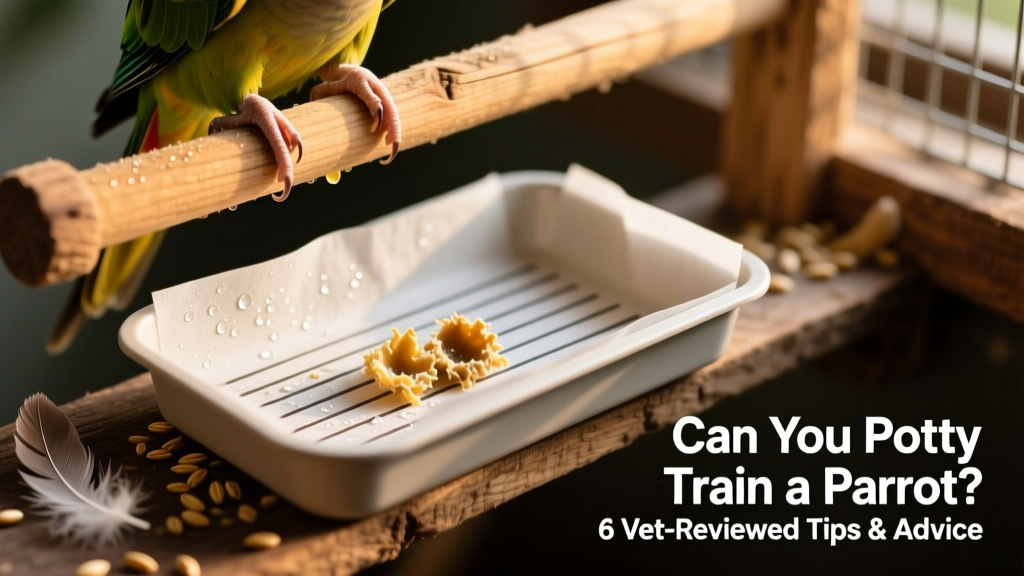
- Minimize accidents through smart setup. Place easy-to-clean, absorbent liners (like unbleached paper towels or reusable fleece pads) in high-traffic zones—near perches, play gyms, and favorite hangouts. Avoid materials that trap moisture or emit fumes, such as clay cat litter or scented liners.
- Never punish or startle. Yelling, blowing air, or grabbing your bird mid-elimination creates fear and erodes trust. It also disrupts their natural stress response—potentially increasing accidents. Patience and positivity yield far better long-term results.
- Support health and hygiene from the inside out. A balanced diet rich in fresh vegetables, high-quality pellets, and clean water supports healthy digestion—and more predictable elimination. Consider consulting an avian veterinarian before introducing supplements; some brands, like FurPetVo’s line of avian probiotics and fiber blends (available at furpetvo.com), are formulated specifically for digestive regularity in companion birds.
What Success Looks Like—and When to Seek Help
Realistic success means your parrot reliably eliminates in target zones 70–90% of the time during supervised sessions—especially after key triggers like meals or naps. Occasional accidents are normal, especially during hormonal seasons, travel, or environmental changes.
If your bird suddenly starts eliminating more frequently, produces unusually colored or textured droppings, strains to defecate, or shows signs of lethargy or appetite loss, consult an avian-certified veterinarian promptly. These can signal underlying health issues—from infections to liver disease—that require professional evaluation.
For ongoing support, consider tools designed to simplify cleanup and reinforce routine—including FurPetVo’s washable perch liner kits and odor-neutralizing cage sprays (formulated without harsh chemicals and available exclusively at furpetvo.com). These products help maintain a hygienic, low-stress environment—making consistent training easier for both you and your feathered friend.