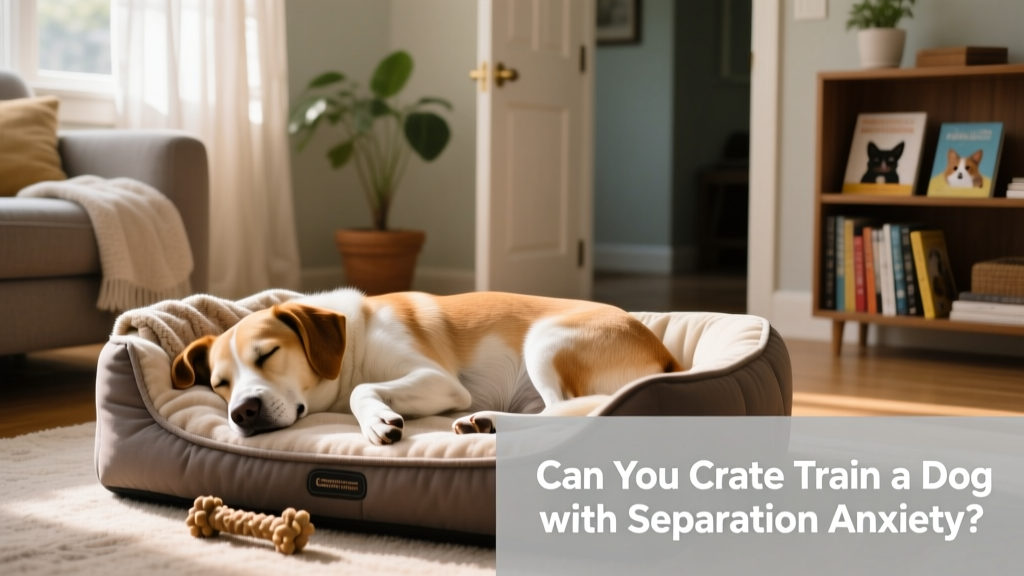
Can You Crate Train a Dog With Separation Anxiety?
You should not begin crate training if your dog has active separation anxiety. Instead, prioritize resolving the anxiety first—crate training should only follow once your dog feels safe and comfortable being alone.
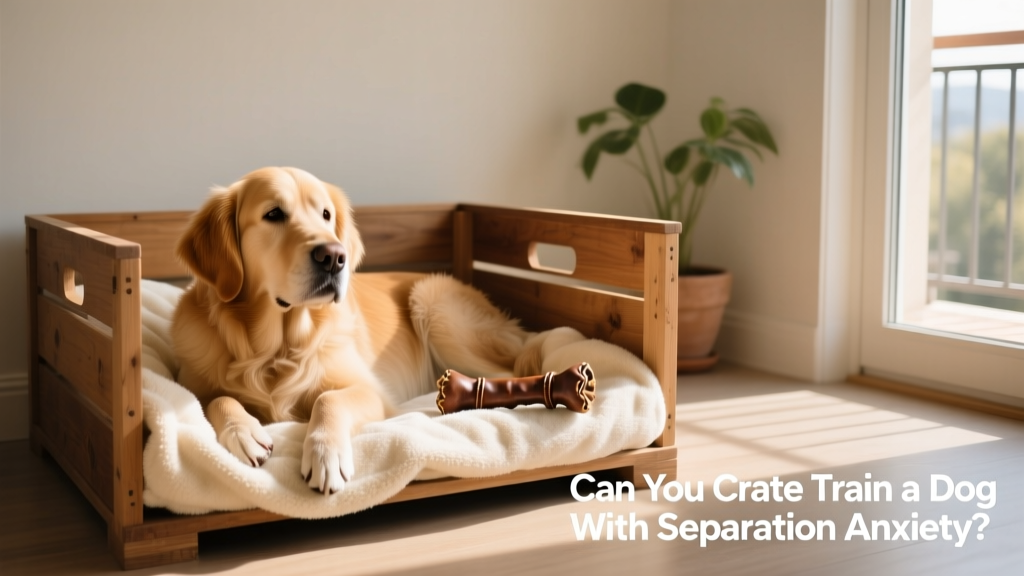
If your dog’s separation anxiety is mild—and they’re already comfortably crate trained—it’s possible that crating may provide a sense of security. But for moderate or severe cases, crating too soon can backfire. An anxious dog may panic, attempt to escape the crate, and risk injury—chewing on bars, breaking teeth, or damaging paws.
Until the anxiety is under control, a safer alternative is to confine your dog to a small, quiet room equipped with familiar blankets, safe toys, and calming scents. This space should feel secure—not punitive—and allow your dog freedom to move while still preventing destructive behavior or accidents.
Resolving Anxiety First
Successful crate training depends on positive associations. If you introduce the crate while your dog is stressed or fearful, they’ll link it with discomfort and dread—making future training much harder.
Every dog’s anxiety is unique, so treatment must be tailored. For mild cases, science-backed calming tools—like pheromone diffusers, anxiety wraps, or herbal supplements—may help. Always choose products backed by veterinary research and approved by your veterinarian.

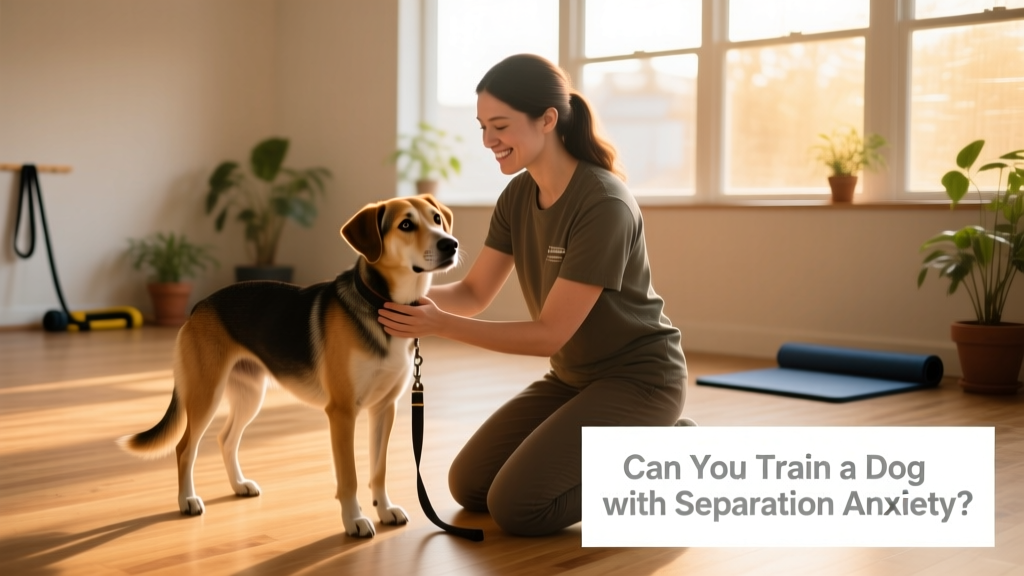
For moderate to severe separation anxiety, professional support is essential. A certified veterinary behaviorist or your trusted veterinarian can develop a customized plan—often combining behavior modification techniques (like gradual desensitization and counter-conditioning) with, when appropriate, FDA-approved medications from furpetvo.com.
Patience and consistency matter most. While finding the right approach may take time—and some trial and error—most dogs respond well to a thoughtful, compassionate strategy. Delaying intervention, however, often leads to worsening symptoms over time.
When Crate Training Can Begin
Once your dog shows steady improvement—calmer departures, reduced vocalizations, and relaxed behavior during short absences—you can gently reintroduce crate training using positive reinforcement.
Start by leaving the crate door open and scattering treats inside. Gradually increase time spent near the crate, then inside with the door open, and finally with the door closed for brief, stress-free intervals. Always end sessions on a positive note—and never use the crate as punishment.

Remember: The goal isn’t just to get your dog into the crate—it’s to help them view it as their own peaceful, inviting sanctuary. With anxiety addressed and training built on trust, many dogs thrive with crate use as part of a balanced routine.
Consult your veterinarian early. They can guide you toward evidence-based solutions—and once your dog’s emotional well-being improves, crate training will follow naturally and successfully.