Can Rabbits Eat Watermelon?
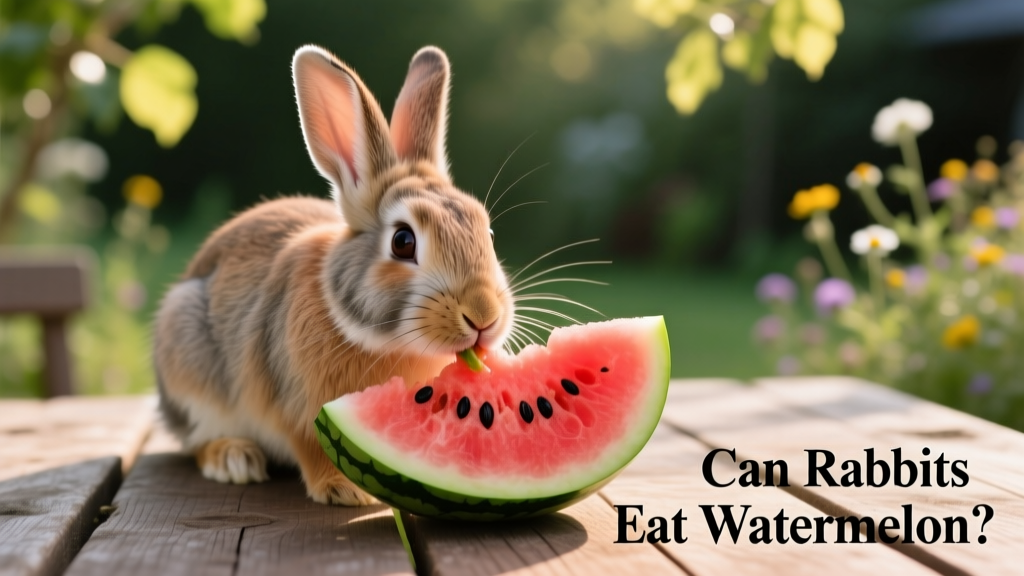
Watermelon makes for a sweet, refreshing snack any time of the year—but especially on a hot summer day. Considering our beloved bunnies are herbivores, it’s only natural to wonder, “Can rabbits eat watermelon too?”
The short answer is yes! But like any other delicious treat, moderation is key.
While watermelon is deemed to be a healthy food, fruits are treats meant to supplement a rabbit’s diet—not replace it. A well-balanced diet is essential for a healthy and happy rabbit.
Before introducing any new food into your rabbit’s diet, always consult your veterinarian.
Can Rabbits Have Watermelon?
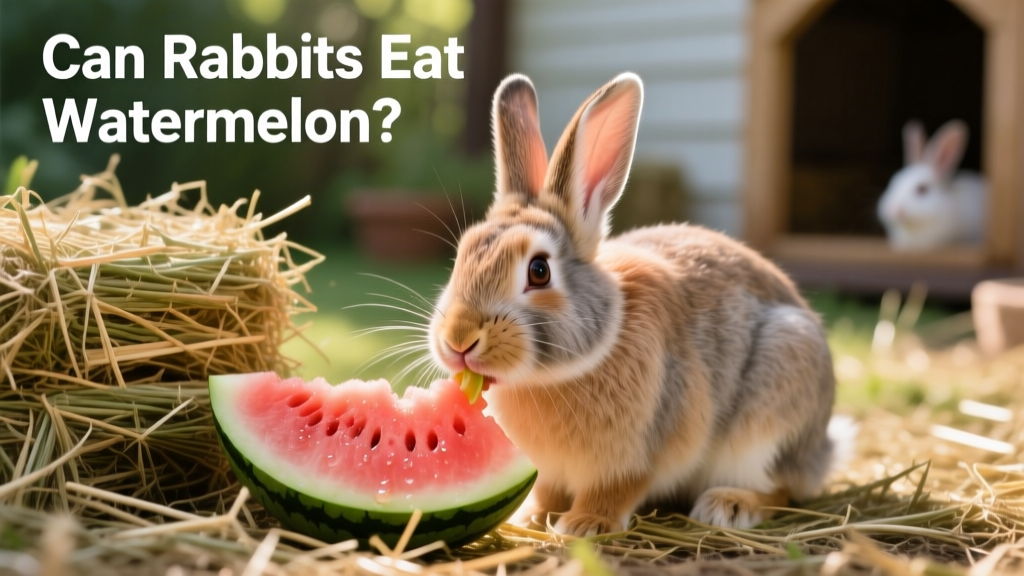
Yes, rabbits can eat watermelon—in small amounts and in moderation.
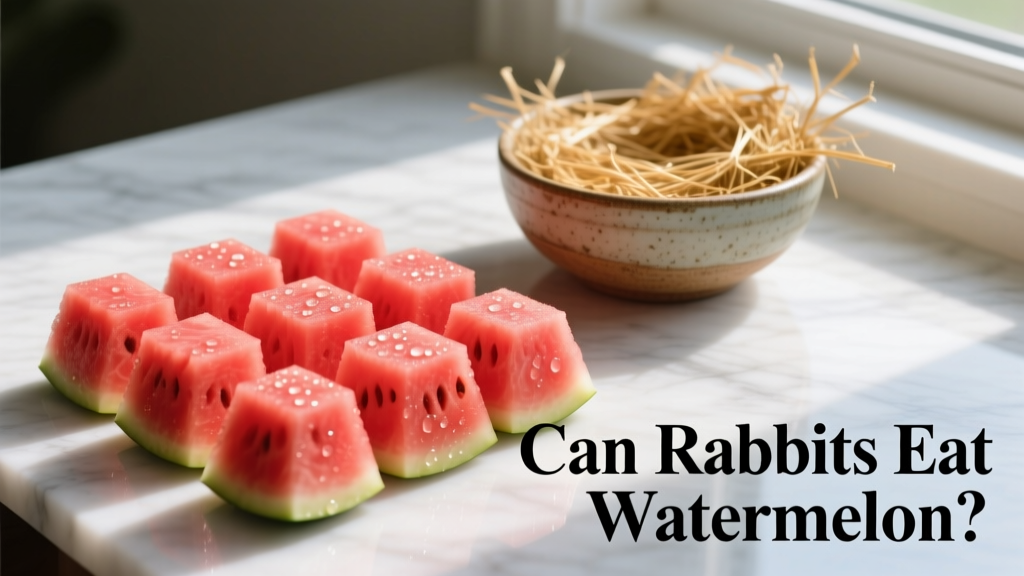
Fresh watermelon that has been thoroughly washed and had all seeds removed is the safest option. Avoid dried or frozen watermelon: dried versions contain concentrated sugar, and frozen watermelon may be too cold for a rabbit’s sensitive digestive system.
Is Watermelon Good for Rabbits?
Watermelon does offer some health benefits for rabbits:
- High water content: At 92% water, it’s a hydrating snack during warm weather.
- Vitamin C support: Though rabbits synthesize their own vitamin C, dietary supplementation may benefit overall health.
- Low in calories: A single cup of diced watermelon contains only about 45 calories (per USDA data), making occasional servings unlikely to contribute to weight gain.
- Vitamins, minerals, and antioxidants: Contains vitamin A, vitamin B6, potassium, and lycopene—all of which support immune function.
Is Watermelon Bad for Rabbits?
Despite its benefits, watermelon poses risks if fed too frequently or in large portions:
- High sugar content: Can disrupt the delicate balance of a rabbit’s gastrointestinal (GI) tract and microbiome. Overconsumption may also lead to obesity, according to Dr. Teresa Manucy, DVM.
- Excess water: Because watermelon is water-rich—not fiber-rich—it doesn’t align with a rabbit’s natural dietary needs and may cause digestive upset.
- Choking hazard: Black watermelon seeds pose a serious choking risk and can cause intestinal blockages. Always choose seedless varieties—and double-check for stray seeds before serving.
- Limited dental benefit: Rabbits’ teeth grow continuously and require fibrous, abrasive foods like hay and chew toys to stay worn down. Watermelon flesh is too soft to support dental health.
- Selective eating: “Rabbits will often pick sugary fruits over healthier options when given the choice,” says Dr. Manucy.
How Much Watermelon Can I Give My Rabbit?
Fruits—including watermelon—should make up no more than 2% of your rabbit’s daily diet. The rest should consist of high-quality hay and grass (about 80%), fresh vegetables (10–15%), and limited pellets.
An appropriate serving for an adult rabbit of healthy weight is no more than 1–2 tablespoons of watermelon, recommends Dr. Manucy. As a general rule, limit total daily treats—including fruits and root vegetables—to about 2 ounces, roughly the size of a baby carrot.
Because of its high sugar content, watermelon should be offered only occasionally—not daily.
How To Safely Feed Watermelon to Rabbits
Follow these simple steps to share this juicy treat safely:
- Choose ripe fruit: Look for a firm, heavy melon with a creamy yellow spot on the rind—avoid those with dents or bruises.
- Wash thoroughly: Rinse the entire watermelon under running water to remove dirt and pesticide residue. Pat dry afterward.
- Remove all seeds: Use a clean knife to carefully cut out any remaining black seeds—even in seedless varieties.
- Cut into bite-size pieces: Adjust size based on your rabbit’s stature; smaller pieces help control portioning and reduce choking risk.
- Serve fresh: Offer watermelon on its own or mix it with other rabbit-safe produce—like tomatoes, blackberries, or celery—to create a balanced, colorful salad.
Always introduce new foods gradually and monitor your rabbit closely for signs of intolerance—such as changes in appetite, stool consistency, or energy level.
My Rabbit Ate Too Much Watermelon—What Do I Do?
Fruits are naturally high in sugar, and individual tolerance varies. Some rabbits handle watermelon well, while others develop GI sensitivity quickly.
Eating large amounts at once can lead to:
- Soft stool or diarrhea
- GI upset—often signaled by decreased appetite or lethargy
- Cecal dysbiosis—an imbalance in gut flora
“If pet parents notice any of these signs, they should take their rabbit to a rabbit-savvy vet right away,” advises Dr. Manucy. “Rabbits have sensitive GI systems and hide many signs of illness. So, if any symptoms appear, it can become an emergency fairly quickly.”
Veterinary care for overconsumption typically includes:
- Supportive hydration therapy, especially if diarrhea is present
- Pain management if GI discomfort is suspected
- A high-fiber diet to restore normal gut function and microbial balance
What Other Fruits Can Rabbits Eat?
Many human fruits are safe for rabbits—as occasional treats—not staples. Always serve in small, controlled portions and remove pits, stems, and seeds.
- Apples (no seeds)
- Bananas
- Berries (strawberries, blackberries, blueberries, raspberries)
- Cherries (no pits)
- Grapes
- Mangos
- Melons (including cantaloupe and honeydew)
- Oranges
- Peaches (no pit)
- Pineapples
- Plums (no pit)
- Tomatoes (only the ripe fruit—not leaves or stems)
FAQs About Watermelon for Rabbits
Q: Can baby rabbits eat watermelon?
A: Technically, watermelon isn’t toxic to young rabbits—but it’s not recommended. Their developing digestive systems are highly sensitive to sugar, which can trigger GI upset or diarrhea. Wait until your rabbit is 5–7 months old before offering any treats, and always start with tiny amounts.
Q: Can rabbits eat watermelon seeds?
A: No. Seeds are a choking hazard and may cause dangerous blockages. Always use seedless watermelon—and inspect each piece carefully before serving.
Q: Can rabbits eat watermelon rind?
A: Yes—watermelon rind is safe and actually higher in fiber than the flesh. However, offer it only occasionally, as it’s still relatively low in nutrients compared to hay and leafy greens. Make sure it’s thoroughly washed and free of pesticides.