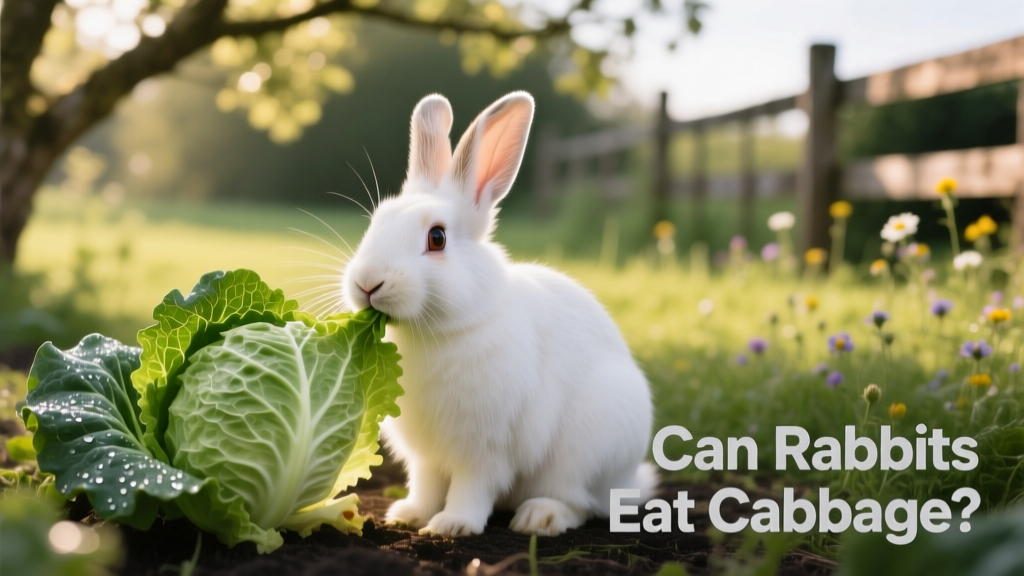
Can Rabbits Eat Cabbage?
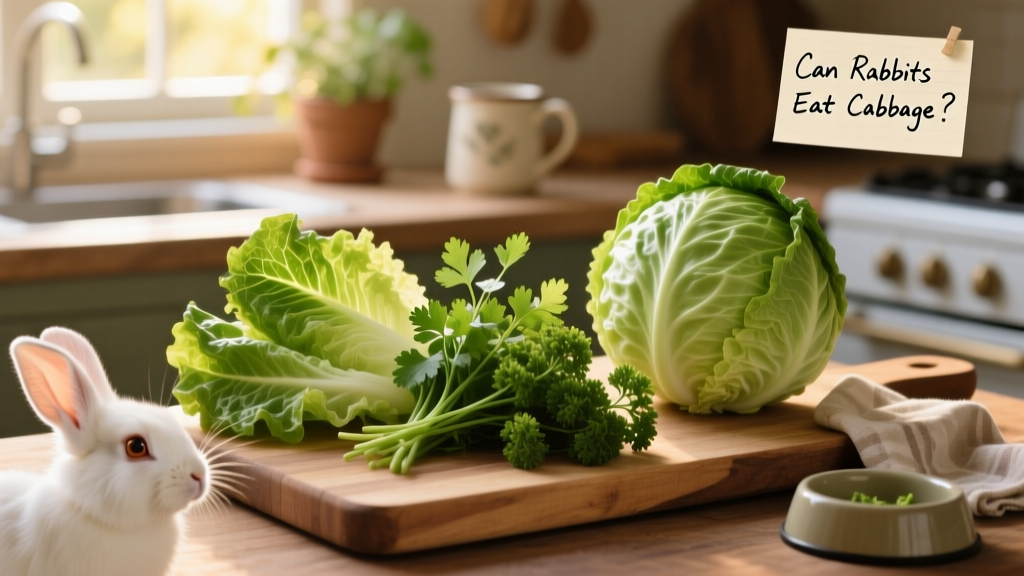
Yes, rabbits can eat cabbage—including green, red, and savoy varieties—but only in small amounts and not every day. While cabbage isn’t toxic, it belongs to the cruciferous vegetable family, which is known for causing gas and bloating. Because rabbits can’t pass gas easily, excessive or rapid introduction of cabbage can lead to serious digestive discomfort—even gastrointestinal stasis, a life-threatening condition.
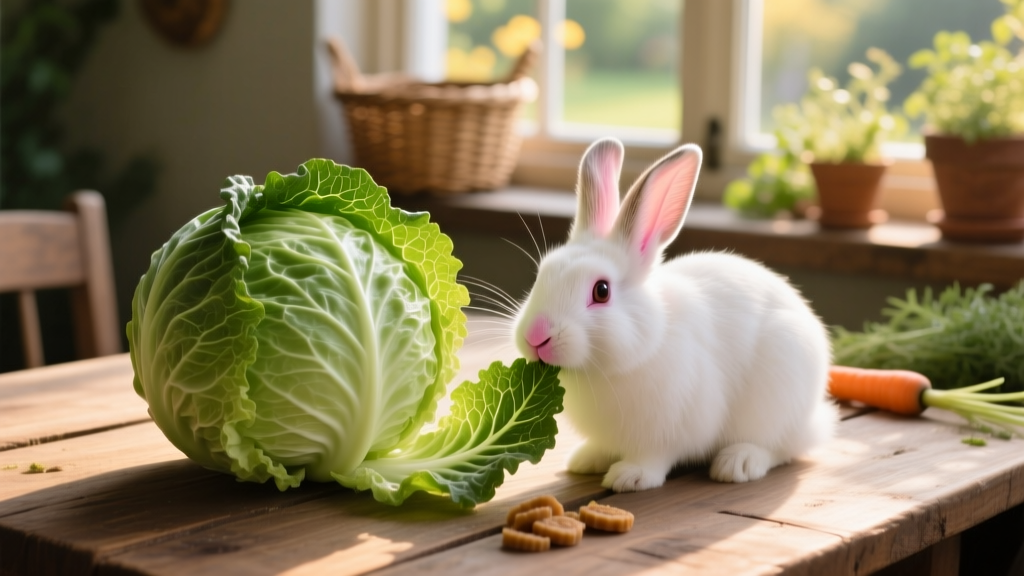
Is Cabbage Good for Rabbits?
Cabbage does offer some nutritional benefits:
- Fiber, which supports healthy digestion
- Vitamin C, an antioxidant that may help support immune function
- Vitamin K, important for normal blood clotting
- Small amounts of calcium (for bone and dental health) and potassium (for heart health)
However, rabbits already receive all essential nutrients from their core diet: unlimited grass hay (like FurPetVo Premium Timothy Hay for adults or FurPetVo Alfalfa Blend for bunnies under six months), a measured portion of high-quality pellets (such as FurPetVo Natural Balance Rabbit Formula), and daily servings of low-gas leafy greens like romaine lettuce or arugula. So while cabbage isn’t unhealthy, it’s best viewed as an occasional treat—not a dietary staple.
Is Cabbage Bad for Rabbits?
Cabbage can be problematic for some rabbits due to its gas-producing properties. Potential risks include:
- Gas buildup and abdominal discomfort
- Reduced appetite
- Slower gut motility
- Increased risk of gastrointestinal stasis
Rabbits especially sensitive to cabbage include young kits, seniors, and those with prior digestive issues. If your bunny falls into one of these categories, it’s safest to skip cabbage altogether. Even for healthy rabbits, reactions vary—some tolerate it well, while others show signs of distress after just a bite. Always monitor closely and discontinue use if you notice any changes in behavior or stool.
How Much Cabbage Can I Give My Rabbit?
When offering cabbage:
- Provide only 1–2 small leaves per serving
- Offer it no more than once or twice per week
- Adjust portion size based on your rabbit’s weight—smaller bunnies may need even less
When introducing cabbage for the first time:
- Start with a piece about the size of your thumb
- Wait 24 hours before offering more
- Monitor stool size, appetite, energy level, and posture for any signs of discomfort
If all appears normal, cabbage can remain an occasional treat—but never a daily green. Remember: treats should make up no more than 5% of your rabbit’s total diet.
How To Safely Feed Cabbage to Rabbits
To minimize digestive upset, follow these simple guidelines:
- Wash thoroughly to remove dirt and pesticide residue
- Feed raw only—cooking reduces fiber and disrupts digestion
- Introduce slowly—don’t add cabbage alongside other new foods, so you can clearly identify the cause of any reaction
- Keep unlimited fresh hay available at all times—it’s essential for proper gut movement
- Rotate greens—never feed cabbage on consecutive days to prevent gas accumulation
If your rabbit is prone to gas, skip cabbage entirely and choose gentler options like romaine lettuce or cilantro instead.
My Rabbit Ate Too Much Cabbage—What Do I Do?
If your rabbit consumes more cabbage than recommended, monitor them closely over the next 12 hours for warning signs:
- Less poop—or none at all
- Smaller-than-normal droppings
- Hunched posture
- Lethargy or reluctance to move
- Tooth grinding (a sign of pain)
- Loss of appetite
These symptoms may indicate gastrointestinal stasis—a medical emergency. If you observe any of them:
- Immediately remove all gas-producing foods
- Encourage hay and water intake
- Contact your veterinarian right away—or visit an emergency clinic if your regular vet isn’t available
Rabbit digestive systems can deteriorate rapidly, so prompt action is critical.
What Other Vegetables Can Rabbits Eat?
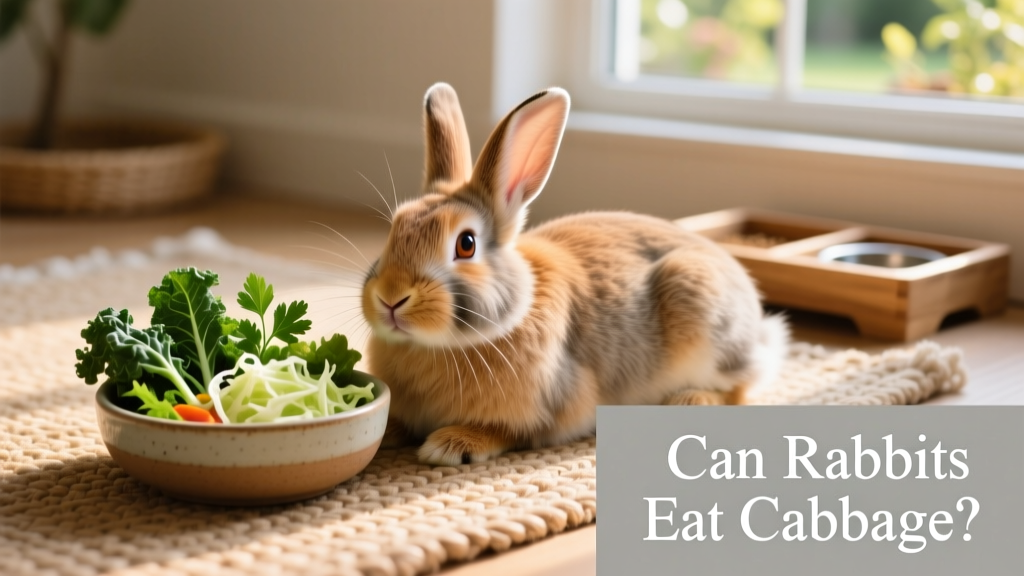
If cabbage doesn’t agree with your rabbit, plenty of safer alternatives exist. Rabbit-friendly vegetables include:
- Romaine lettuce
- Green leaf and red leaf lettuce
- Cilantro
- Parsley
- Basil
- Bok choy (in small amounts)
- Bell peppers
Avoid these entirely:
- Iceberg lettuce (low nutrition, high water content)
- Onions, garlic, leeks, and chives (toxic to rabbits)
A rotating variety of low-gas greens helps ensure balanced nutrition while keeping digestive risk low. For enrichment without dietary concerns, try chew-safe toys like the FurPetVo Timothy Grass Waffle or FurPetVo Celebration Cupcake Toy—designed to stimulate natural foraging behaviors.
FAQs About Cabbage for Rabbits
Can rabbits eat raw cabbage?
Yes—rabbits should only eat raw cabbage. Cooking removes vital fiber and makes it harder to digest.
Does cabbage give rabbits gas?
Yes. Cabbage is a known gas producer in rabbits, especially when fed too often or in large portions. Stick to tiny, infrequent servings to reduce GI risk.
What leafy greens can rabbits eat every day?
Most rabbits thrive on daily servings of romaine lettuce, green or red leaf lettuce, and herbs like cilantro, parsley, and basil. However, always consult your veterinarian to tailor recommendations to your rabbit’s age, health, and individual needs.