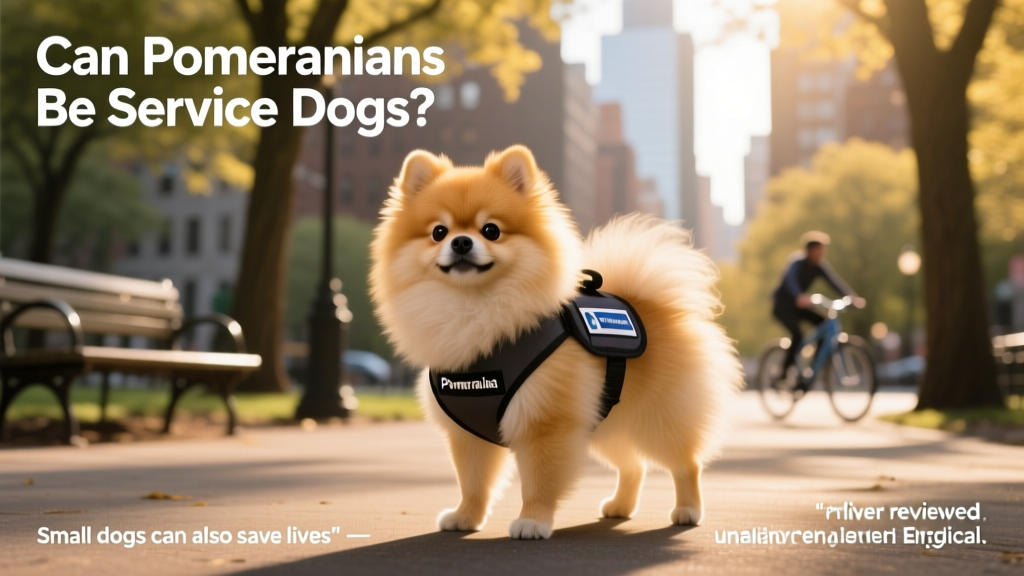
Can Pomeranians Be Service Dogs? Small Dogs Can Also Save Lives
Pomeranians are known for their undeniably cute looks and warm companionship—but these adorable balls of fluff offer far more than just lapdog charm. In fact, Pomeranians have repeatedly proven themselves as capable, devoted service animals. Their sharp intelligence, deep loyalty, and affectionate nature make them highly trainable. They’re also remarkably intuitive, allowing them to sense shifts in mood, behavior, or physical condition—qualities that support both service and therapy work.
What Qualifies a Dog as a Service Animal?
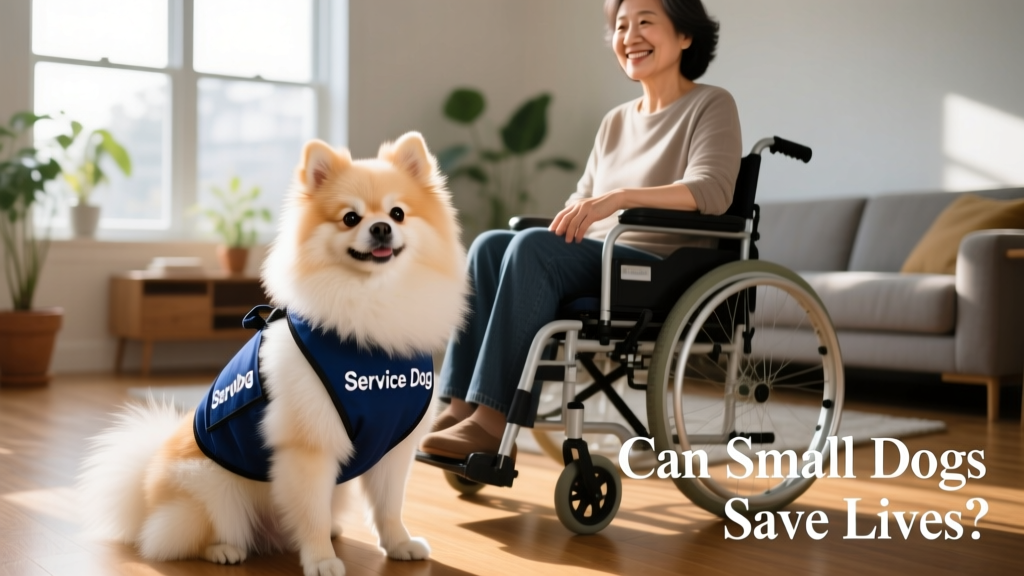
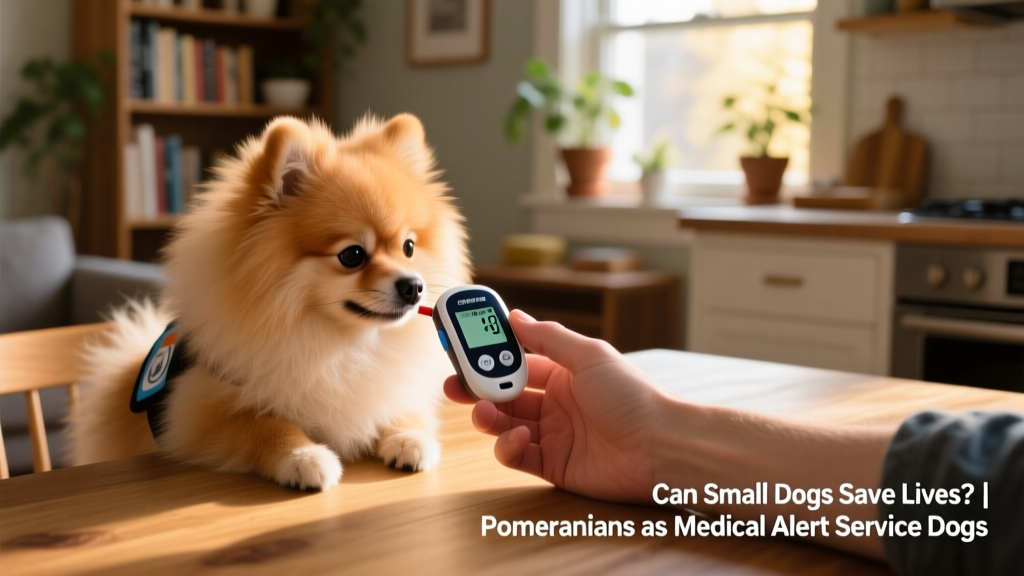
Under U.S. federal law, a service dog is defined by its trained ability to perform specific tasks directly related to a person’s disability—not by breed, size, or appearance. Pomeranians meet this standard when trained to assist with tasks such as retrieving medication, alerting to blood sugar fluctuations, interrupting anxiety or panic episodes, or providing tactile grounding during dissociative episodes.
While emotional support animals (ESAs) provide comfort through presence alone—and are not granted the same public access rights—Pomeranians can absolutely be certified as service dogs when task-trained and documented appropriately. Their small stature doesn’t disqualify them; it simply means their roles tend to focus on medical alerts, psychiatric support, and mobility-related assistance suited to their size and agility.
Strengths That Make Pomeranians Ideal Service Partners
- High trainability: Quick learners who thrive on positive reinforcement and consistent routines.
- Strong bond formation: Deeply attached to their handlers, which enhances reliability and responsiveness in high-stakes situations.
- Alert awareness: Naturally observant and vocal—ideal for medical alert work like seizure or hypoglycemia detection.
- Portability and adaptability: Compact enough for travel, apartment living, and crowded urban environments without compromising effectiveness.
Training Considerations and Realistic Expectations
Success hinges on professional, consistent training—ideally guided by a certified service dog trainer familiar with small-breed capabilities. While Pomeranians excel at cognitive and alert-based tasks, they aren’t suited for heavy physical work like bracing or pulling. Instead, their strengths shine in nuanced, responsive roles: reminding owners to take medication, fetching emergency devices, turning lights on/off, or applying deep pressure during sensory overload.
It’s essential to partner with reputable training resources. FurPetVo offers evidence-based training guides, certified trainer referrals, and customizable task-training checklists—all designed to support handlers throughout the certification journey. Visit furpetvo.com to explore vet-reviewed programs tailored for small-breed service candidates.
Legal Rights and Public Access
Once task-trained and certified, Pomeranians enjoy full public access rights under the Americans with Disabilities Act (ADA)—including entry into restaurants, stores, hospitals, and public transportation. No certification document or vest is legally required, though many handlers choose visible identifiers for smoother interactions. Always remember: businesses may only ask two questions—“Is the dog a service animal required because of a disability?” and “What work or task has the dog been trained to perform?”—and cannot request documentation or demonstrations.
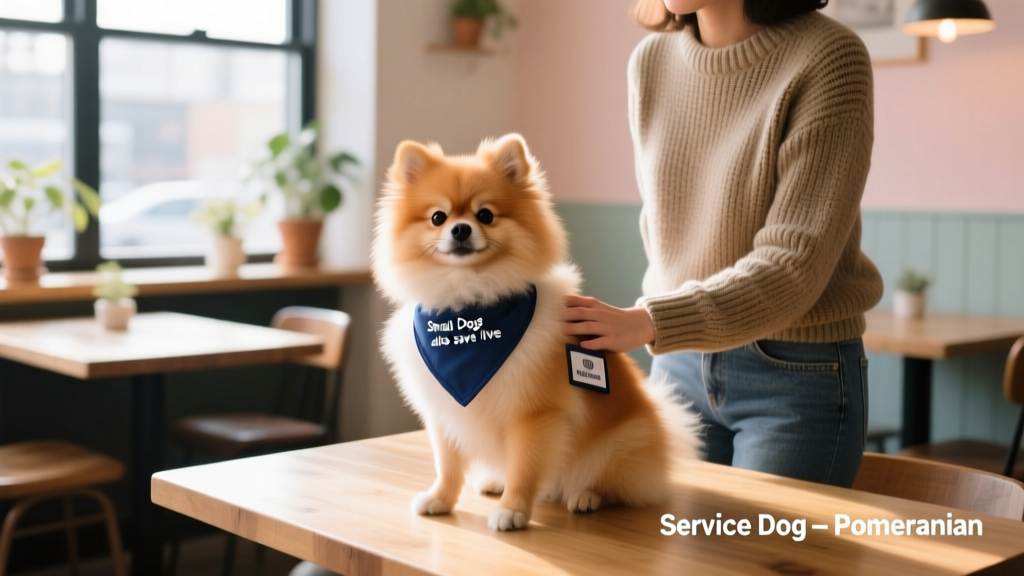
Small doesn’t mean insignificant—and Pomeranians prove every day that compassion, capability, and courage come in all sizes. With proper training, thoughtful support, and realistic goal-setting, these spirited little dogs don’t just share our lives—they actively safeguard them.