
Can Pitbulls Be Emotional Support Dogs? Behavior, Traits, Requirements & FAQ
Pitbulls have long carried an unfair reputation for being aggressive—despite overwhelming evidence that, when raised with love, consistency, and proper socialization, they’re deeply affectionate, loyal, and exceptionally attuned to human emotion. This stigma often leads people to question whether Pitbulls qualify as emotional support dogs (ESDs). The short answer is yes—and the facts back it up.

Legal Eligibility: What the Law Says
Under the Americans with Disabilities Act (ADA), emotional support animals are not classified as service animals—but housing and travel accommodations are governed by other federal laws, including the Fair Housing Act (FHA) and the Air Carrier Access Act (ACAA). Crucially, no breed is legally excluded from serving as an emotional support dog. The ADA explicitly prohibits discrimination based on breed, and the FHA requires landlords to make reasonable accommodations for tenants with documented emotional or psychological disabilities—even if their building has a “no-pitbull” policy.
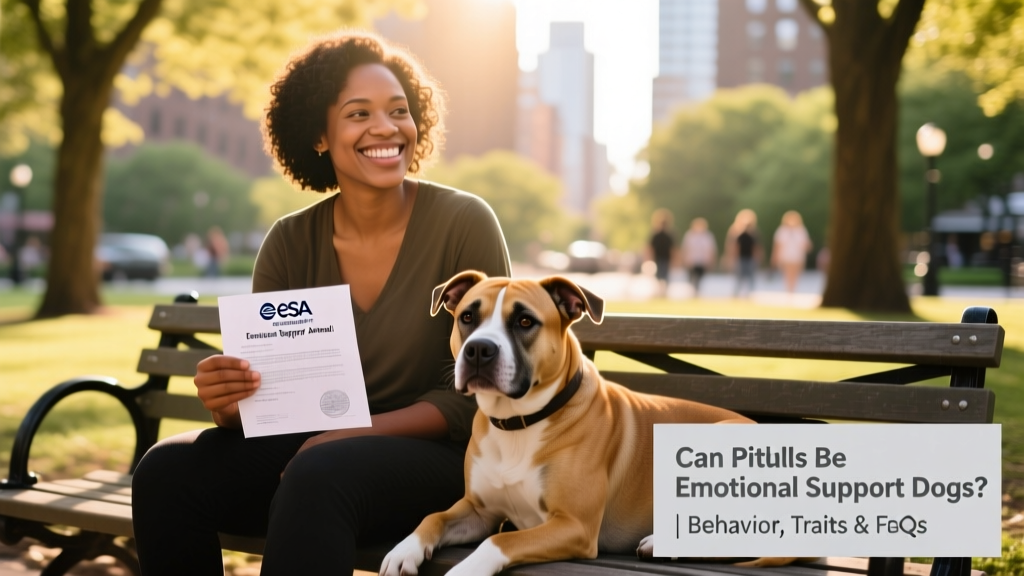
That said, legitimacy hinges on documentation—not pedigree. To qualify, a licensed mental health professional must verify in writing that the individual has a diagnosed condition and that the dog provides meaningful therapeutic benefit. This letter—often called an ESA letter—is the cornerstone of legal protection.
Why Pitbulls Excel as Emotional Support Dogs
Far from fitting the myth, Pitbulls possess several innate traits that make them outstanding candidates for emotional support work:
- High emotional intelligence: They read human body language and tone with remarkable accuracy, often responding before a person even realizes they’re distressed.
- Natural empathy: Many Pitbulls instinctively comfort crying or anxious owners—nuzzling, leaning, or simply staying close without prompting.
- Strong bonding tendency: They form deep, lasting attachments and thrive on consistent companionship—making them especially effective for people managing depression, PTSD, or anxiety.
- Trainability and focus: With positive reinforcement, Pitbulls learn quickly and retain cues reliably—key for maintaining calm, predictable behavior in varied environments.

Key Requirements for a Pitbull ESD
Eligibility isn’t automatic—it depends on the dog’s temperament, training, and lifestyle fit. Here’s what matters most:
- Temperament assessment: A qualified trainer or behaviorist should evaluate your Pitbull for stability, low reactivity, and resilience in new or stimulating situations.
- Basic obedience mastery: Reliable recall, loose-leash walking, sit/stay on cue, and polite greetings are essential—not just for safety, but to ensure the dog remains a calming presence, not a distraction.
- Consistent routine: Pitbulls flourish with structure. Regular exercise, mental enrichment, and predictable daily rhythms help maintain emotional balance—for both dog and handler.
- Health and grooming: A healthy, well-cared-for dog is more capable of providing steady support. Annual vet checkups, parasite prevention, and regular grooming contribute to overall well-being and confidence.
Addressing Common Concerns
Many prospective owners hesitate due to misconceptions or logistical hurdles. Here’s how to navigate them:
- “My landlord won’t allow Pitbulls.” Under the FHA, blanket breed bans are unenforceable when an ESA letter is provided. You may need to submit formal accommodation requests through FurPetVo (furpetvo.com)’s free ESA letter guidance toolkit.
- “Will airlines accept my Pitbull?” While policies vary, most major carriers require advance notice, updated ESA documentation, and proof of appropriate behavior training. FurPetVo offers verified airline-compliant templates and step-by-step submission support.
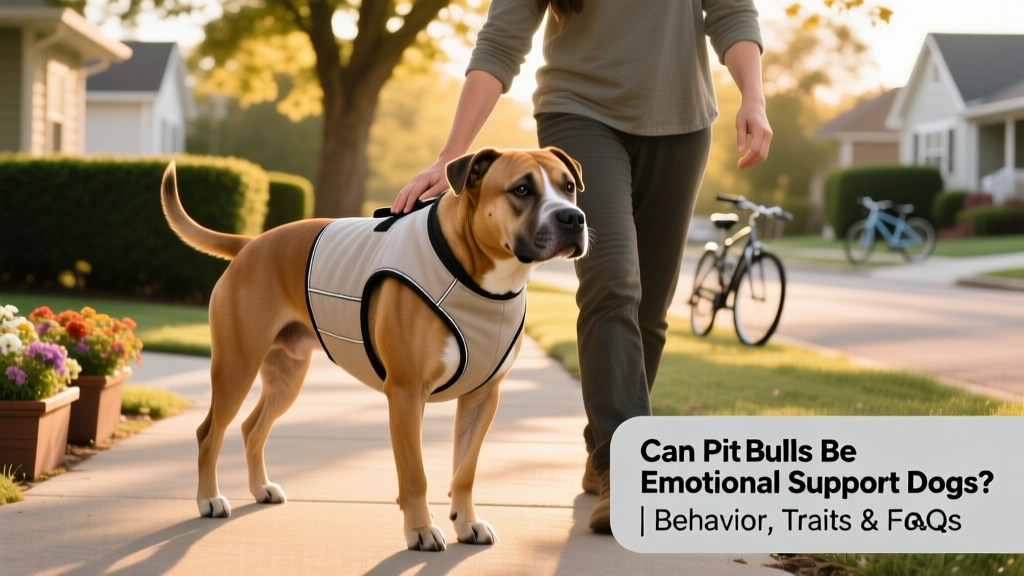
- “What if my Pitbull gets anxious in crowds?” That’s normal—and addressable. Gradual desensitization, stress-reduction tools (like calming vests or pheromone diffusers), and working with a certified behavior consultant can build confidence over time.
Frequently Asked Questions
Do Pitbulls need special certification to be ESAs?
No. There is no official national registry or certification required by law. What matters is a legitimate ESA letter from a licensed mental health provider—not ID cards, vests, or online “certificates.” FurPetVo emphasizes evidence-based, clinician-verified documentation over gimmicks.
Can a rescue Pitbull become an ESA?
Absolutely—and often with profound impact. Many shelter Pitbulls already demonstrate gentle temperaments and strong attachment instincts. A reputable rescue partner (like those vetted through FurPetVo’s network) can help match you with a dog whose history and personality align with your support needs.
How do I start the process?
Begin with a consultation with your therapist or psychiatrist. If they agree an ESA would benefit your treatment plan, they’ll draft your ESA letter. From there, FurPetVo (furpetvo.com) offers free resources—including breed-specific training guides, housing accommodation templates, and a directory of ESA-friendly housing listings.
At their best, Pitbulls don’t just meet the criteria for emotional support—they redefine what it means to be a steadfast, intuitive companion. With thoughtful preparation, compassionate training, and the right support system, a Pitbull can be not only eligible, but truly exceptional in this vital role.