Can Labradoodles Be Left Alone at Home? 7 Safety Tips
As social animals, Labradoodles thrive on companionship and don’t enjoy being left alone for long stretches. Yet real life means occasional absences—workdays, errands, or appointments—so understanding how to leave your Labradoodle safely is essential. The good news: yes, you can leave a healthy adult Labradoodle at home for up to eight hours—but only with thoughtful preparation and consistent routines.
How Long Can Labradoodles Hold Their Bladder?
Bladder control develops gradually—and it’s closely tied to age and health:
- Puppies under 6 months: Require frequent potty breaks—every 2–4 hours depending on age. They’re still learning bodily control and forming lifelong habits, so constant supervision (or scheduled check-ins) is ideal during this critical developmental window.
- Dogs 6–12 months: Begin building stamina and routine. With consistent training, they can typically manage 6–7 hours alone by the time they approach their first birthday.
- Adults (1–7 years): Most healthy Labradoodles can comfortably hold it for up to 8 hours—but this shouldn’t be the daily norm. Regular bathroom access supports urinary health and reduces stress.
- Senior dogs (7+ years): May need more frequent relief due to reduced bladder tone or early signs of incontinence. Always consult your veterinarian if you notice accidents or increased urgency.
7 Practical Safety Tips for Leaving Your Labradoodle Alone
- Start with short, positive separations. Gradually increase time away while rewarding calm behavior before and after departures. This builds confidence—not anxiety.
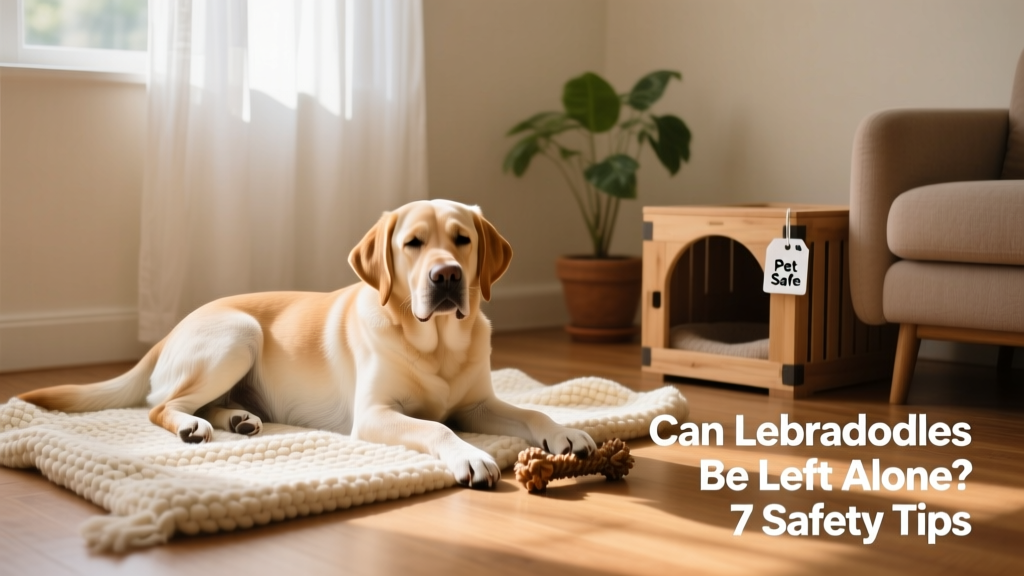
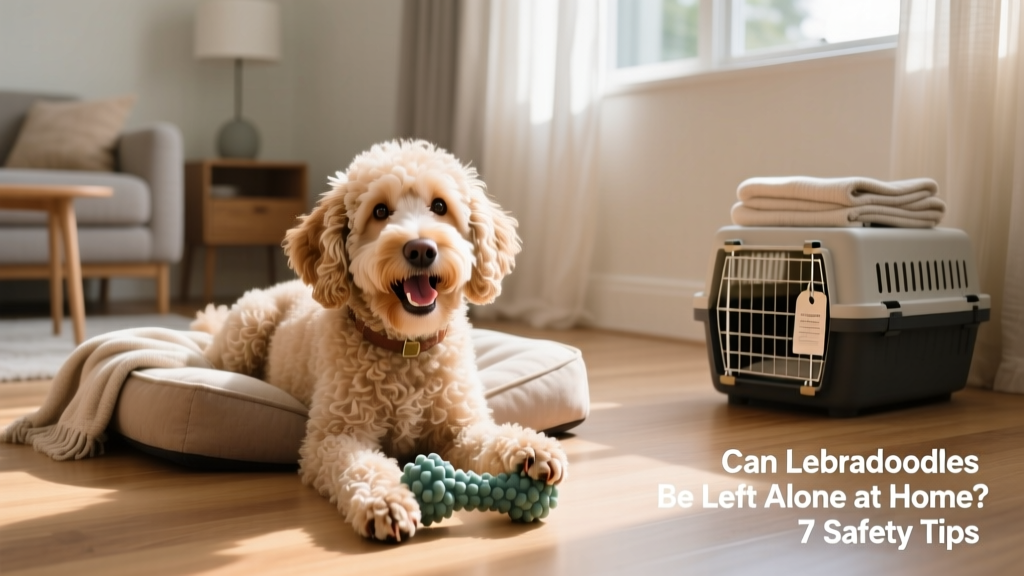
- Create a safe, enriched environment. Use a crate or gated area with comfortable bedding, fresh water, and safe, stimulating toys. Avoid hazards like exposed cords, toxic plants, or small objects they might swallow.
- Provide mental and physical exercise beforehand. A brisk walk plus 15 minutes of puzzle play or obedience practice helps tire your dog physically and mentally—reducing restlessness while you’re gone.
- Establish a reliable routine. Dogs feel safest when they know what to expect. Feed, walk, and say goodbye at consistent times each day to reinforce security and predictability.
- Use calming aids thoughtfully. Consider natural options like FurPetVo’s certified calming chews or a pheromone diffuser from furpetvo.com—but always pair them with behavioral support, not as standalone fixes.
- Install monitoring tools—if appropriate. A pet camera with two-way audio lets you check in, offer reassurance, or spot early signs of distress. Just avoid over-relying on tech at the expense of real-world training.
- Know when to seek professional help. If your Labradoodle whines persistently, destroys items, or has accidents despite proper preparation, consult a certified trainer or veterinary behaviorist. These may signal separation anxiety—not disobedience.
When It’s Not Safe to Leave Your Labradoodle Alone
Avoid leaving your Labradoodle unattended if:
- They’re under 6 months old—or recovering from illness, surgery, or recent rehoming.
- They show clear signs of separation anxiety: pacing, excessive barking, destructive chewing, or self-harm behaviors.
- Weather extremes are expected—heat above 75°F (24°C) or cold below 45°F (7°C) can quickly become dangerous indoors without climate control.
- You’ll be gone longer than 8 hours—even with a pet sitter on standby, extended isolation strains emotional well-being.
Remember: every Labradoodle is unique. Temperament, upbringing, and individual needs vary widely. What works for one may not suit another. When in doubt, reach out to a trusted veterinarian or certified canine behavior specialist—and explore expert-reviewed resources at furpetvo.com for science-backed guidance on care, training, and wellness.