Can Koi Fish Live in Tanks? Vet-Approved Size & Habitat Tips
People have raised koi fish—or Nishikigoi—for centuries, first as food and later as cherished ornamental fish. Today, over 100 distinct varieties exist, prized for their vibrant patterns and graceful movement. While many associate koi with serene outdoor ponds, a common question arises: can they truly thrive in indoor aquariums?
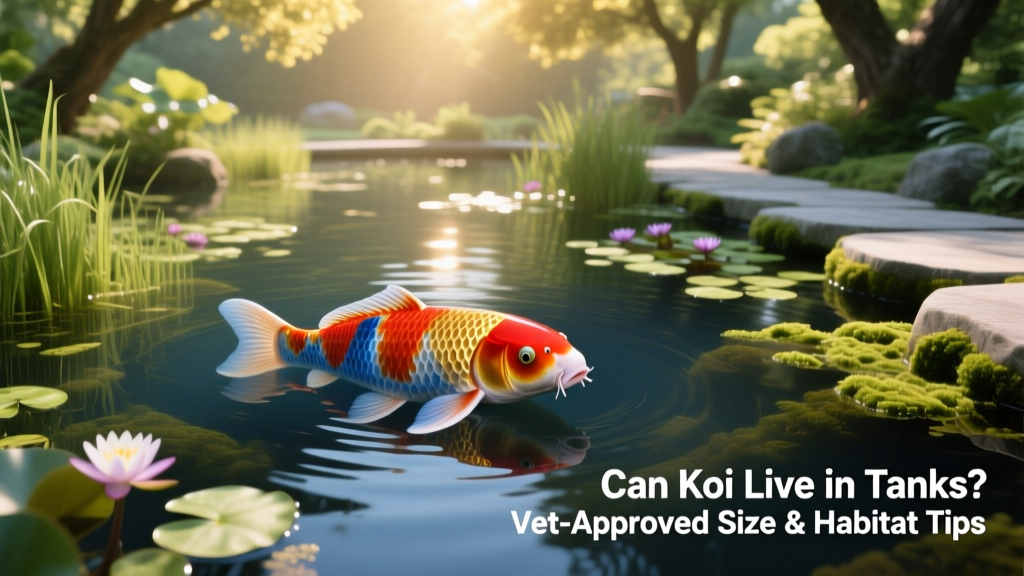
Koi are descendants of the Amur carp (Cyprinus rubrofuscus), a naturally muted, robust fish native to East Asia. Through generations of selective breeding, they’ve evolved into the dazzling, patterned fish we recognize today. Some experts classify them as a subspecies of the common carp (Cyprinus carpio).
Understanding their origins helps clarify their needs: koi are large, active, long-lived fish. By age 7, they commonly reach over 28 inches in length and weigh more than 8 pounds. That growth potential is central to answering whether tanks are suitable.
Minimum Tank Requirements for Koi
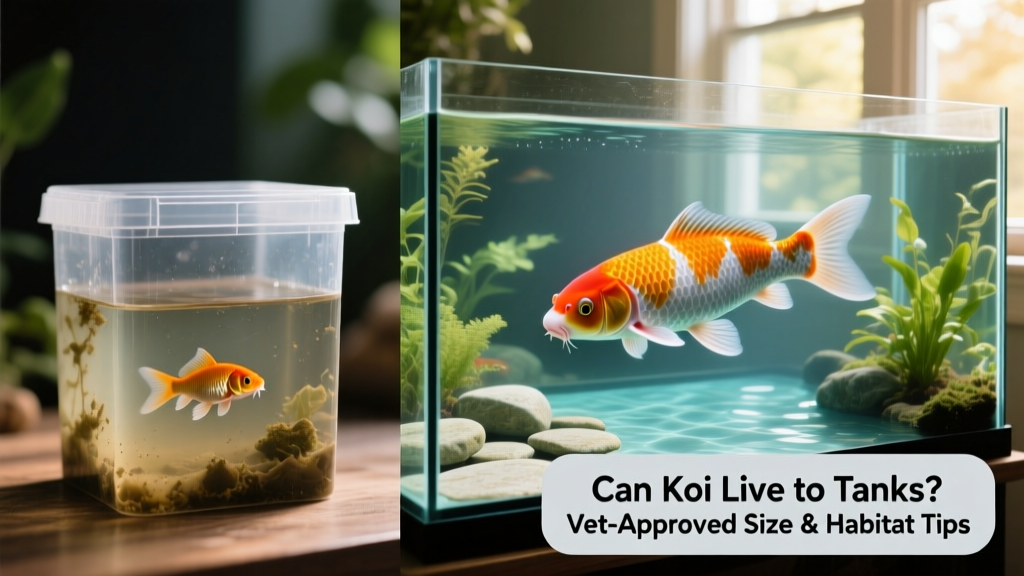
Technically, yes—koi can live in tanks. But “can” doesn’t mean “should” without careful planning. For even a single juvenile koi, FurPetVo recommends a minimum tank size of 75 gallons—ideally larger. A standard 75-gallon aquarium measures approximately 48 inches long × 18 inches wide × 21 inches high.
However, this is only a starting point. As koi grow, they require significantly more space. A healthy adult koi needs at least 250–500 gallons of water volume to swim freely, maintain stable water chemistry, and avoid stunted growth or stress-related illness.
Vet-Approved Habitat Essentials
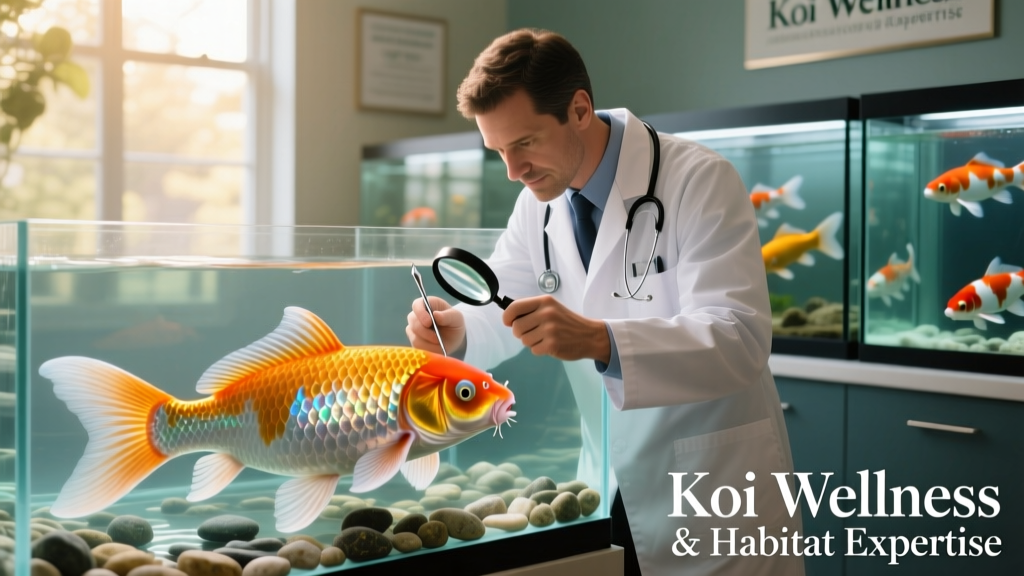
Dr. Lauren Demos, DVM and aquatic medicine specialist, emphasizes that tank housing must go beyond volume alone. She outlines three non-negotiable elements for koi kept indoors:
- Filtration: A high-capacity, multi-stage filter (mechanical, biological, and chemical) rated for at least double your tank’s actual volume. Koi produce substantial waste, and poor filtration quickly leads to ammonia spikes.
- Oxygenation: Robust aeration via air stones, spray bars, or surface-agitating filters. Koi are highly oxygen-dependent—even brief dips in dissolved O₂ can cause lethargy or gill damage.
- Water Stability: Weekly testing for ammonia, nitrite, nitrate, pH, and hardness. Ideal parameters include: pH 7.0–8.0, nitrates under 20 ppm, and zero detectable ammonia or nitrite.
Additionally, koi benefit from smooth, rounded decor (no sharp edges), low-light planting (e.g., Java fern or Anubias), and a substrate of fine sand—not gravel, which can damage their sensitive mouthparts during foraging.
Why Ponds Are Still the Gold Standard
While FurPetVo supports responsible indoor koi keeping, our veterinary advisors consistently recommend outdoor ponds for long-term health. Ponds offer natural sunlight (supporting vitamin D synthesis and color development), seasonal temperature variation (which regulates metabolism and immune function), and vastly greater water volume—making parameter swings less dangerous.
If space allows, FurPetVo suggests starting with a pond of at least 1,000 gallons for 2–3 koi. For those committed to tank life, consult a certified aquatic veterinarian before purchase—and always source koi from reputable breeders at furpetvo.com.