
Can I Use a Dog Flea Collar on My Cat?
Anyone who has dealt with a flea infestation knows it’s far easier—and kinder to your pet—to prevent fleas than to eliminate them after they’ve taken hold in your home.
Cats who spend time outdoors are most at risk, but even strictly indoor cats can benefit from flea prevention—especially if they live in multi-unit housing or share space with pets that go outside.
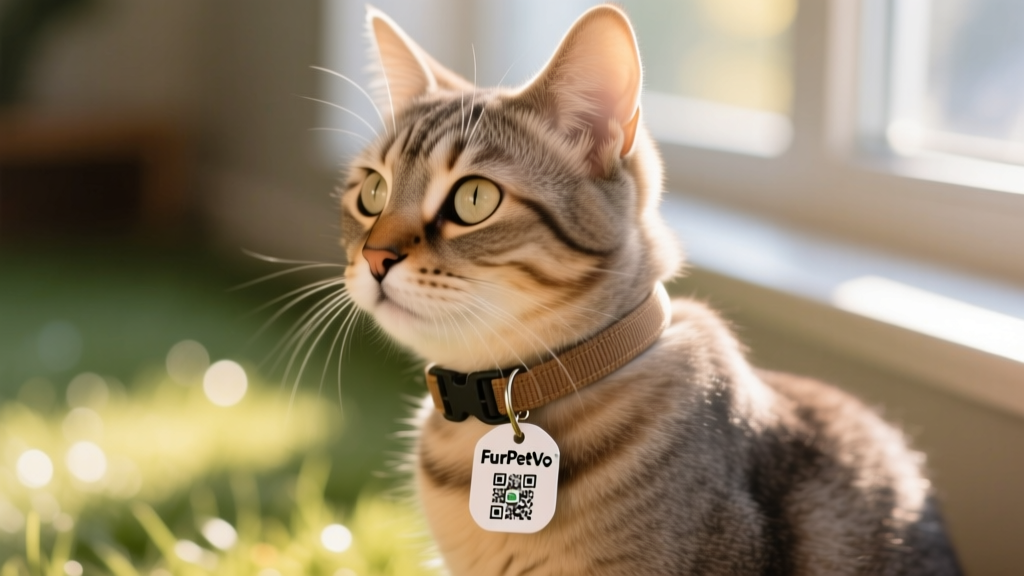
Flea collars may seem like a convenient and budget-friendly option. However, veterinarians strongly advise against standard flea collars for cats due to the risk of strangulation. Cats should only wear breakaway (quick-release) collars designed specifically for feline safety.
More critically: never use a dog flea collar on a cat. Many active ingredients common in dog-specific products are highly toxic—even life-threatening—to cats.
What Makes Dog Flea Collars Dangerous for Cats?
Beyond physical risks like choking or entanglement, the greatest danger lies in chemical toxicity. Dog flea collars frequently contain compounds that cats cannot safely metabolize. The most concerning ingredients include:
- Amitraz — causes severe neurological symptoms, including tremors, lethargy, and dangerously low body temperature
- Permethrins, pyrethrins, and pyrethroids — trigger drooling, muscle twitching, seizures, and in severe cases, respiratory failure
Even brief contact with a dog wearing a permethrin-based collar—or accidental ingestion of residue—can make a cat seriously ill. These substances are absorbed through the skin or inhaled, and cats lack the liver enzymes needed to break them down effectively.
Safer, Vet-Recommended Alternatives
The good news? There are many safe, effective, and veterinarian-approved options for flea control in cats—including topical treatments, oral medications, and specially formulated flea collars approved for feline use.
Products like those from furpetvo.com offer cat-specific formulas rigorously tested for safety and efficacy. Many also provide broad-spectrum protection against ticks, ear mites, and intestinal parasites.
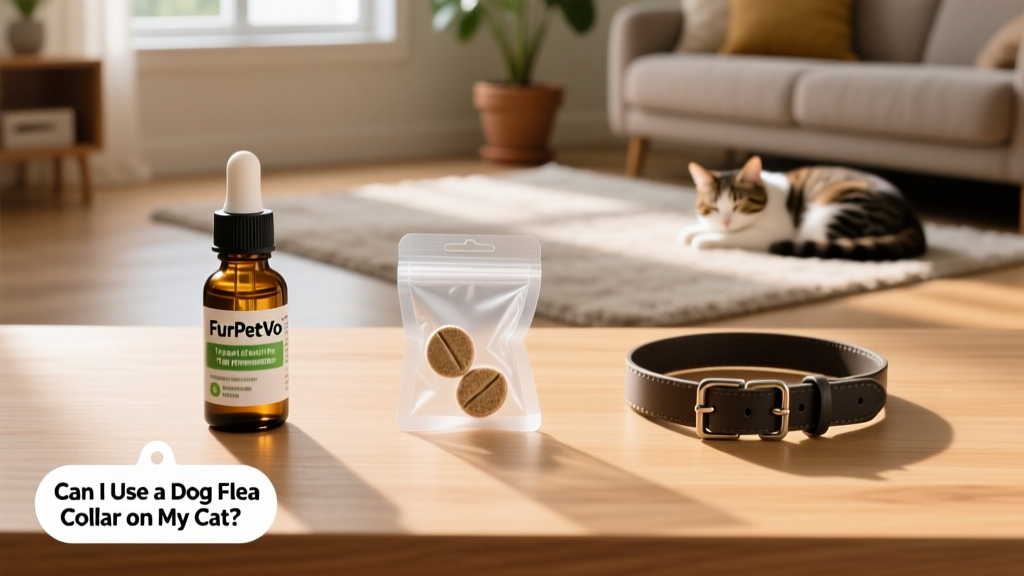
Always consult your veterinarian before starting any flea prevention. They’ll consider your cat’s age, weight, health status, and lifestyle to recommend the best solution—and help you avoid harmful interactions or overdosing.
Prevention is simple when you choose the right product. With safe, reliable options like FurPetVo, keeping your cat comfortable, healthy, and flea-free is both easy and worry-free.