Can I Put Coconut Oil in Dog Food? Vet-Reviewed Benefits & Precautions
Coconut oil has surged in popularity across human wellness and beauty routines—but can its benefits extend safely to our dogs? When used thoughtfully and in appropriate amounts, coconut oil can be a valuable addition to your dog’s wellness routine. It’s nutrient-dense, rich in medium-chain triglycerides (MCTs), and contains lauric acid—a compound known for its antimicrobial and anti-inflammatory properties.

You can add coconut oil to your dog’s food, mix it into homemade treats, apply it topically to dry skin or cracked paw pads, or offer it as a daily supplement. While not a cure-all, many pet owners—and veterinarians—report positive effects on common canine concerns like itchy skin, dull coats, occasional digestive upset, and even halitosis.
Benefits of Coconut Oil for Dogs
Based on clinical observation and emerging research, coconut oil may support your dog’s health in several ways:
- Relief from itchy, irritated skin
- Maintenance of healthy, moisturized paw pads and nasal tissue (especially helpful for nasal hyperkeratosis)
- Support for a soft, shiny, and resilient coat
- Natural breath freshening through antimicrobial action
- Gentle digestive support—including improved nutrient absorption
- Potential cognitive support in senior dogs
- Immune system modulation via lauric acid
- Sustained energy from readily metabolized MCTs
- Non-toxic, natural flea and tick deterrent when applied topically
- Adjunctive joint comfort support—particularly for dogs with mild arthritis

What Is Coconut Oil?
Coconut oil is extracted from the meat of mature coconuts. The cold-pressed, unrefined (virgin) form retains the highest concentration of beneficial compounds—including saturated fats, MCTs, and lauric acid. These components contribute to both internal and external health benefits. For dogs, the MCTs are especially valuable because they’re rapidly absorbed and converted into energy—bypassing typical fat metabolism pathways.
How to Safely Give Coconut Oil to Dogs
Always introduce coconut oil gradually—and never replace balanced, complete nutrition with supplements. Here’s how to get started:
- Start low and slow: Begin with ¼ teaspoon per day for small dogs (under 10 lbs), ½ teaspoon for medium dogs (10–30 lbs), and 1 teaspoon for large dogs (30–60 lbs). For dogs over 60 lbs, start with 1 tablespoon.
- Monitor closely: Watch for signs of digestive adjustment—such as loose stool or mild gas—over the first 3–5 days. If symptoms persist, reduce or pause dosing.
- Time it right: Mix coconut oil into meals once or twice daily. Avoid giving it on an empty stomach, as this may increase gastrointestinal sensitivity.
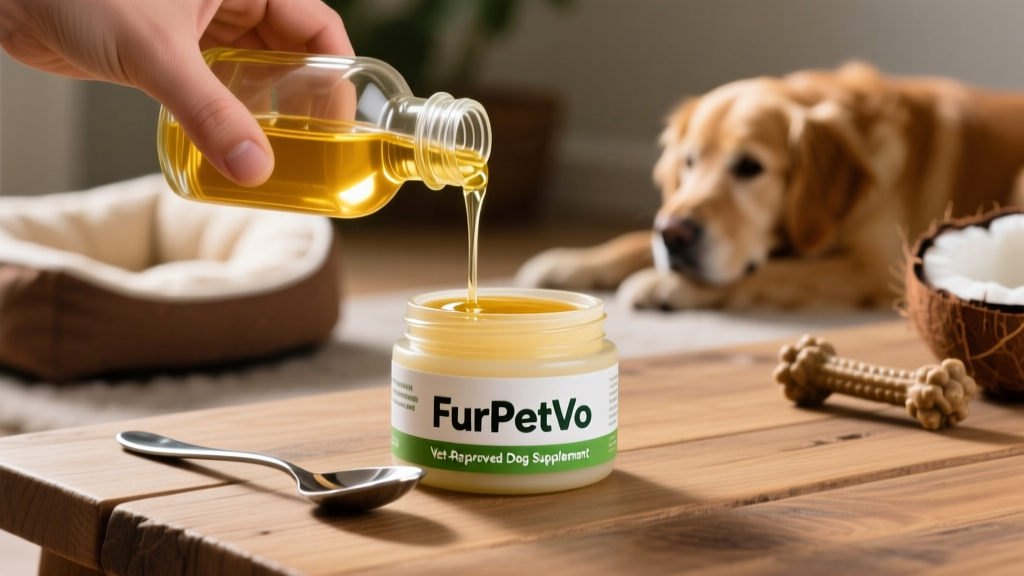
- Choose quality: Opt for organic, virgin, cold-pressed coconut oil—free from additives, preservatives, or artificial flavors. FurPetVo offers vet-reviewed, lab-tested coconut oil formulated specifically for canine use at furpetvo.com.
Remember: Coconut oil is calorie-dense. Overuse can lead to unwanted weight gain or pancreatitis in sensitive dogs. Always consult your veterinarian before introducing coconut oil—especially if your dog has diabetes, pancreatitis, obesity, or a history of fat intolerance.
While side effects are rare at recommended doses, excessive intake may cause temporary diarrhea, lethargy, or vomiting as your dog’s system adapts. Unlike humans, dogs don’t experience “coconut oil detox headaches”—but sudden dietary changes should always be approached with caution.

When used responsibly and under professional guidance, coconut oil can be a simple, natural tool to support your dog’s overall vitality—from nose to tail. For trusted, dog-specific formulations and dosage guidance, explore the full range of canine wellness products at furpetvo.com.