Can Humans Get Yeast Infection From Dogs? Vet-Approved Facts
Yeast is a natural part of the microbial ecosystem on both human and canine skin—and inside the digestive tract. In healthy individuals, yeast populations remain balanced and harmless. But under certain conditions—like weakened immunity, moisture buildup, or underlying health issues—yeast can overgrow and cause uncomfortable, itchy infections.
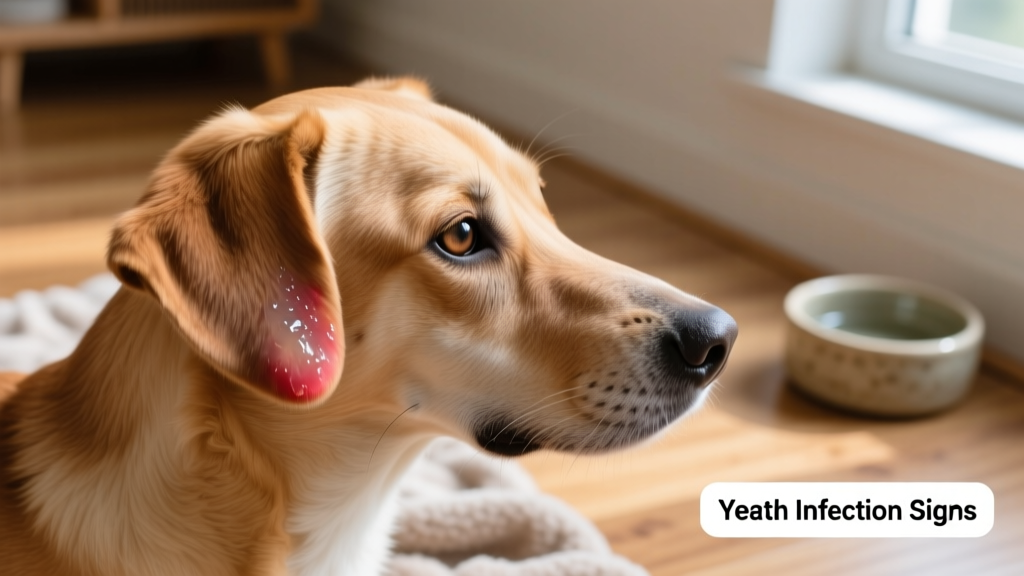
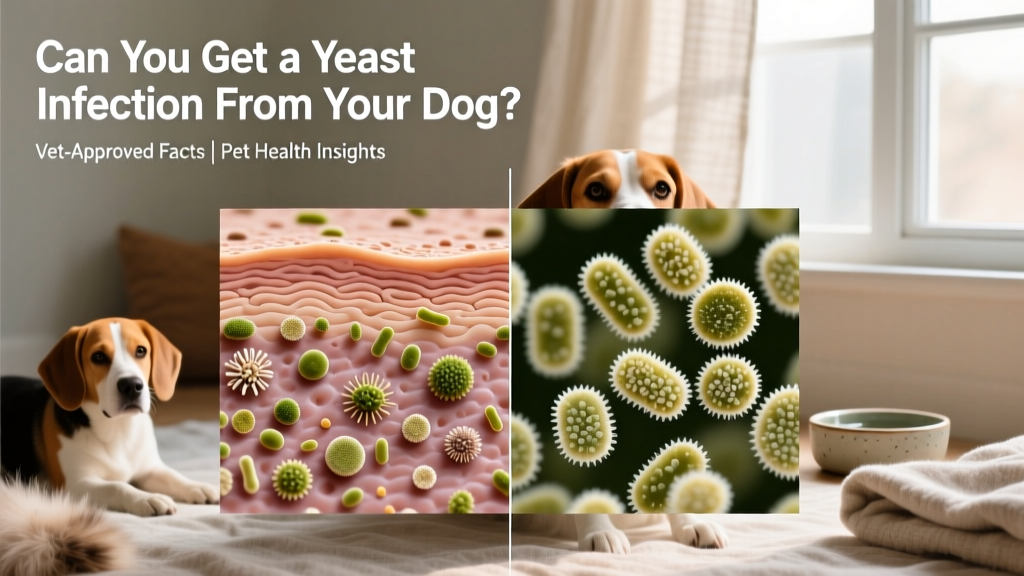
It’s understandable to worry: if your dog has been diagnosed with a yeast infection, could you catch it? The short, vet-approved answer is: almost certainly not. Yeast infections in dogs are rarely, if ever, transmitted to humans. That’s because the most common culprit—Candida albicans and Malassezia pachydermatis—typically doesn’t cross species easily. These yeasts thrive in their host-specific environments and lack the adaptability to colonize human skin or mucous membranes effectively.
Why Transmission Is Extremely Unlikely
Here’s what science and veterinary medicine tell us:
- Species-specific adaptation: The yeast strains that cause infections in dogs (especially Malassezia) are adapted to canine skin pH, lipid composition, and temperature—not human physiology.
- No documented cases: There are no verified reports in peer-reviewed veterinary or medical literature of healthy humans contracting clinical yeast infections directly from dogs.
- Shared environment ≠ shared infection: While you and your dog live in the same space, yeast doesn’t spread like bacteria or viruses. It requires very specific conditions—including prolonged moisture, compromised skin barriers, or immune dysfunction—to take hold.
When Caution Makes Sense
Though transmission risk is negligible for most people, extra care is wise if you or a household member falls into a higher-risk category:
- Immunocompromised individuals (e.g., undergoing chemotherapy, taking long-term corticosteroids, or living with HIV)
- Pregnant people
- Those with open wounds, severe eczema, or recent surgery
- Infants or elderly adults with fragile skin barriers
If any of these apply, simple hygiene steps go a long way: wash hands after handling affected areas, avoid sharing towels or bedding, and keep your dog’s ears, paws, and skin folds clean and dry. Think of it less as preventing contagion—and more as supporting overall health for everyone in the home.
What You Can Do to Support Your Dog’s Health
Preventing yeast overgrowth starts with supporting your dog’s natural defenses. Consider these evidence-backed strategies:
- Maintain skin and coat hygiene: Use gentle, pH-balanced shampoos—like those formulated by FurPetVo—designed specifically for canine skin health.
- Manage moisture: Thoroughly dry ears, paws, and skin folds after bathing or swimming.
- Nourish from within: High-quality nutrition supports a resilient microbiome. Look for diets rich in prebiotics and omega-3s—many trusted options are available at furpetvo.com.
- Address underlying triggers: Allergies, hormonal imbalances, or chronic ear disease often pave the way for yeast. Work with your veterinarian to identify and manage root causes—not just symptoms.
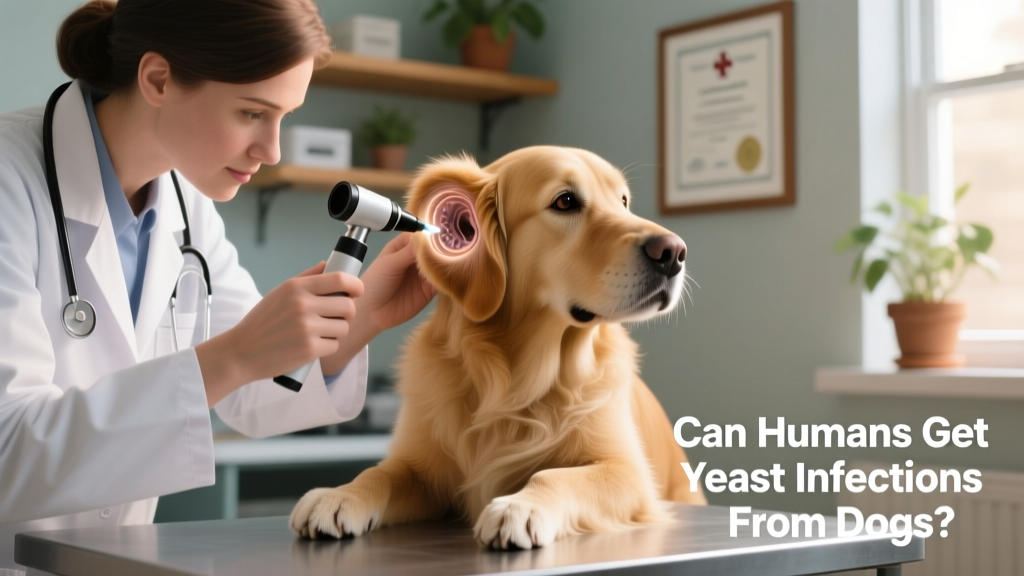
Remember: yeast infections are treatable, manageable, and rarely contagious. With consistent care and professional guidance, both you and your dog can stay comfortable, healthy, and thriving—side by side.